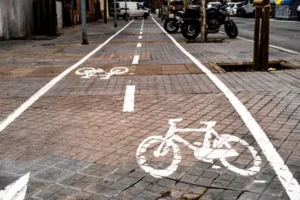

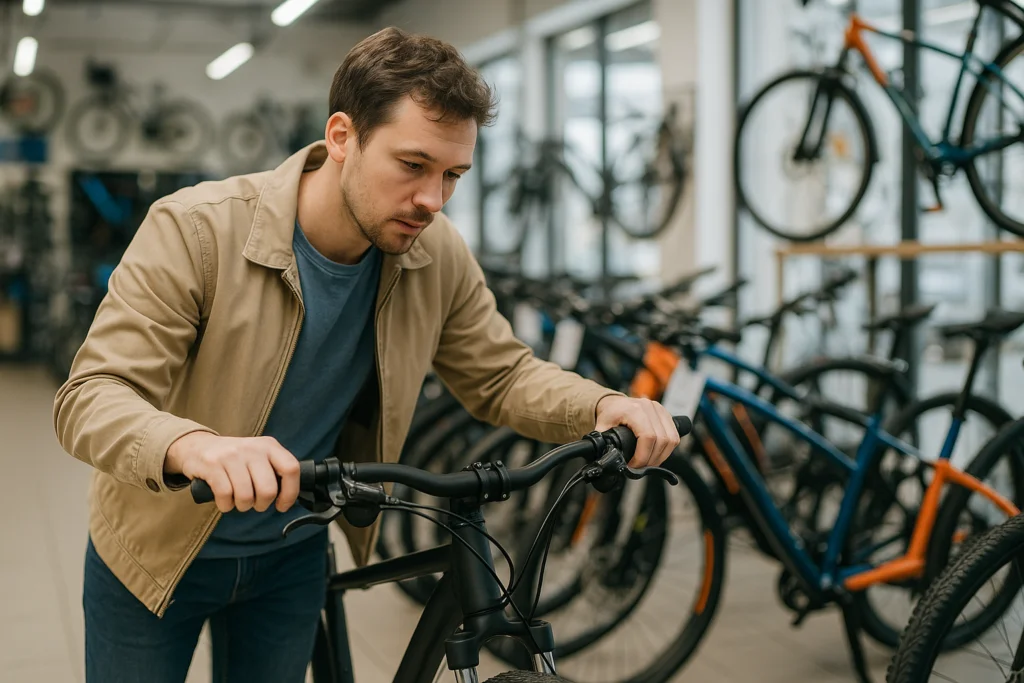
The bicycle is one of the most versatile transportation options in the world. Whether you use it for city rides, bike lanes, staying active, mountain trails, or leisure, there is a bike for your needs. However, choosing the right bicycle can be challenging with so many options available. In this guide, we’ll cover the key factors to consider, including bike use, types of bikes, size, and features that improve comfort and safety.
A bicycle is more than just a means of transportation. It helps you stay fit, avoid traffic, and make a more environmentally friendly choice. As cycling continues to grow in popularity, more people are using bicycles in cities with cycling infrastructure and in rural areas where practical, low-cost mobility is essential.
Decide How You’ll Use It
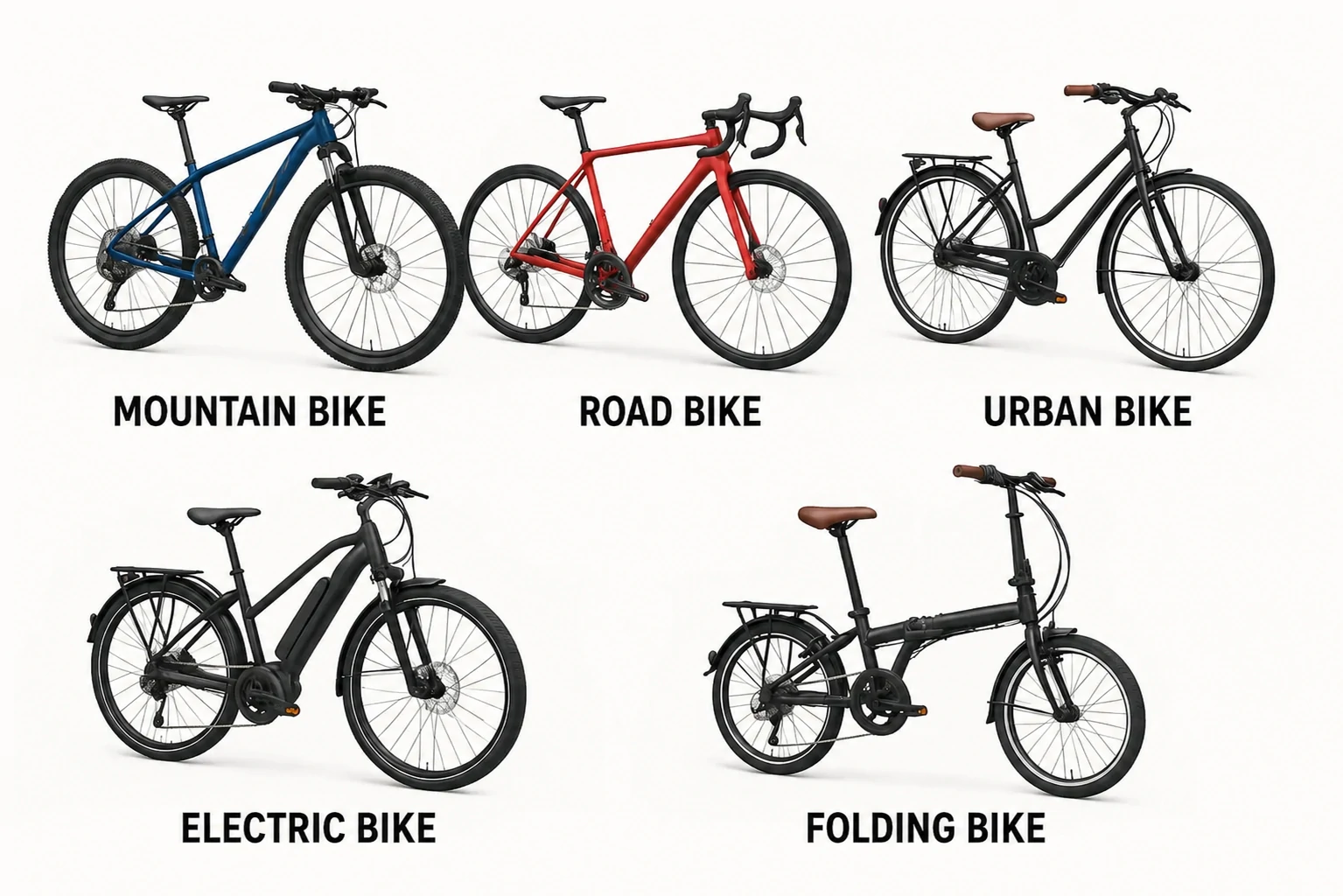
The first step in choosing the right bicycle is to think about how you’ll use it in your daily life. After all, a bike for commuting around the city is very different from one designed for mountain biking. If you plan to ride in urban areas, a city bike or a folding bike is usually the most practical option because it is lightweight, easy to maneuver, and simple to store. On the other hand, if you prefer riding on trails, a mountain bike will provide the stability and traction you need to handle uneven terrain with confidence.
There are also road bikes, designed to cover long distances at high speeds on paved roads, as well as hybrid and gravel models that combine the best features of urban and mountain bikes, making them ideal for riding on different types of terrain. Electric bikes provide pedal assistance and are particularly helpful if you plan to ride longer distances or tackle steep inclines.
Moreover, identifying how you’ll use your bicycle will help you narrow down your options and avoid choosing a model that doesn’t match your riding needs.
Types of Bicycles Explained
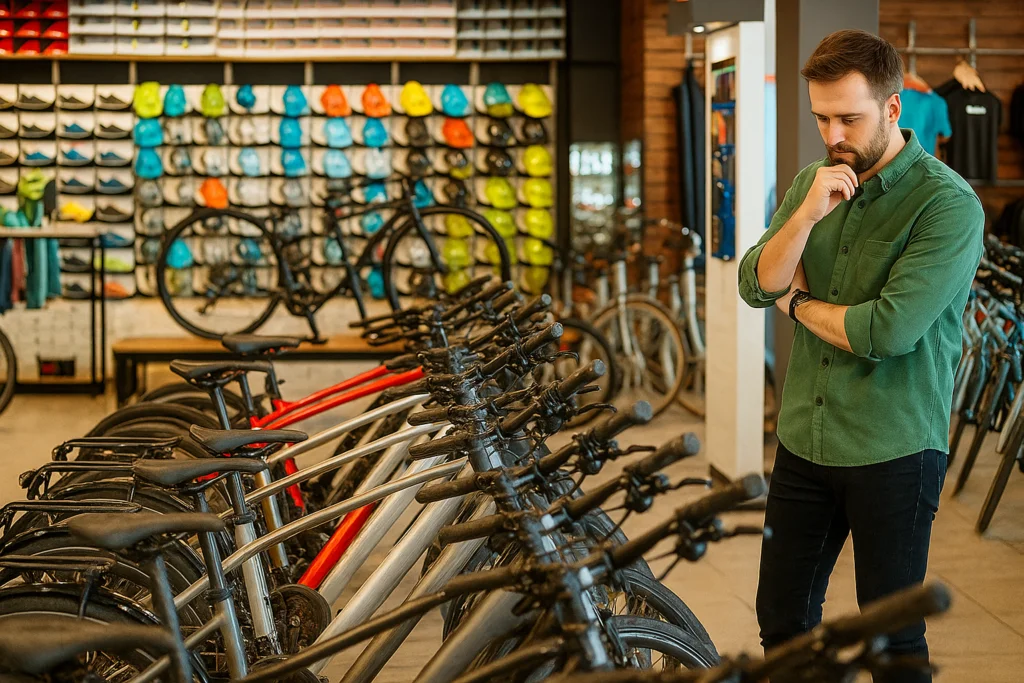
Today, there is a wide variety of bicycles, and each one is designed for a different riding style. For example, mountain bikes (MTB) are durable and built for challenging trails, with suspension systems and wide tires that provide better control. In contrast, road bikes are lightweight and fast, making them ideal for covering long distances on paved roads.
In addition, the type of bicycle also influences the components you need. For example, a hybrid bike combines mountain and urban cycling features, while a folding bike makes transportation easier and is a perfect option if you combine cycling with public transportation. Additionally, urban bikes are usually designed to prioritize comfort, whereas road bikes focus on lightweight construction and aerodynamics.
Find the Right Bike Size
Choosing the right bike size is essential for a comfortable and safe ride. A bike that is too large or too small can cause discomfort, fatigue, and even knee or back pain. To find the right fit, consider your height and inseam length. Most manufacturers provide sizing charts to help you choose the model that best suits your body dimensions.
When trying out a bicycle, make sure you can touch the ground with the tips of your toes while sitting on the saddle and that the handlebars allow you to maintain a relaxed riding position. In addition, properly adjusting the bike seat and handlebars can significantly improve comfort during everyday rides.
Evaluate Materials and Components
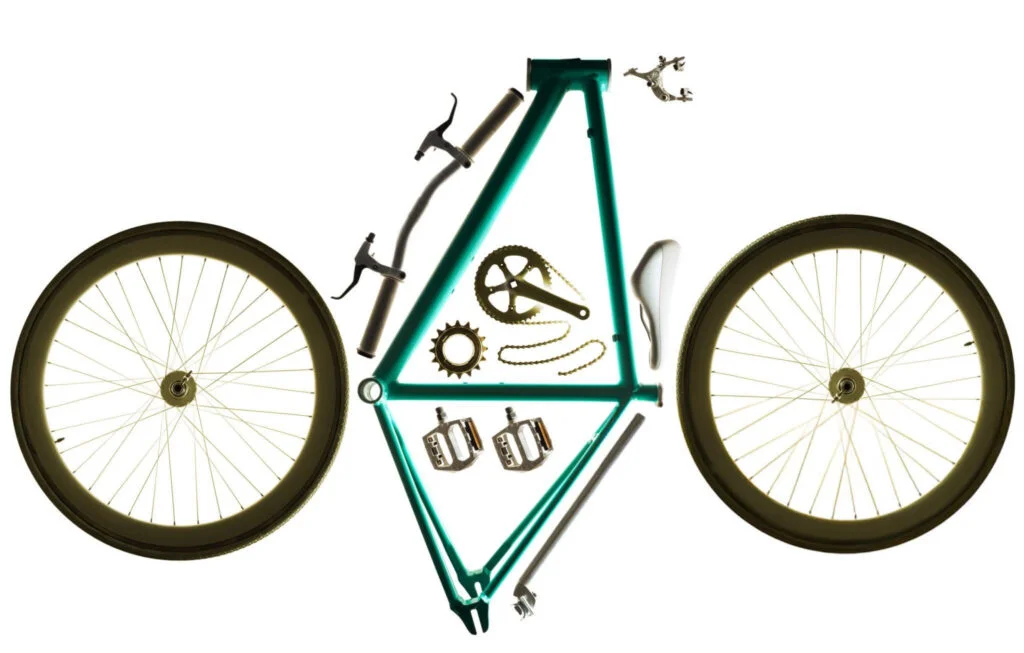
The frame material is one of the most important factors when choosing a bicycle because it affects its weight, durability, and price. Aluminum frames are lightweight and corrosion-resistant, making them a practical choice for city riders. Steel frames are heavier but affordable and highly durable, whereas carbon fiber frames are commonly used in high-performance bicycles due to their low weight, although they are usually more expensive.
Also, consider the front suspension, which is very useful if you plan to ride on dirt roads or uneven trails. However, in urban environments, you may not need it. In addition, pay attention to the design of the front and rear wheels, as their size can vary. Some bicycles have 26-inch wheels for recreational use, whereas others feature larger wheels designed for greater speed on the road.
Brakes are another key factor to consider. Disc brakes, whether mechanical or hydraulic, deliver better performance in rainy conditions and on steep descents, while rim brakes remain common on simpler or recreational bicycles. Finally, consider the number of gears and the quality of the drivetrain, as more speeds give you better control on hills and across different types of terrain.
Try Before You Decide
Although reading specifications and comparing models is important, nothing replaces the experience of getting on a bike and trying it out. For this reason, a short ride will allow you to feel whether the riding position is comfortable, whether the handlebar is at the right height, and how the bike responds when braking or turning. Ultimately, this step is essential to make sure it fits your body and meets your needs.
Consider Safety and Additional Gear
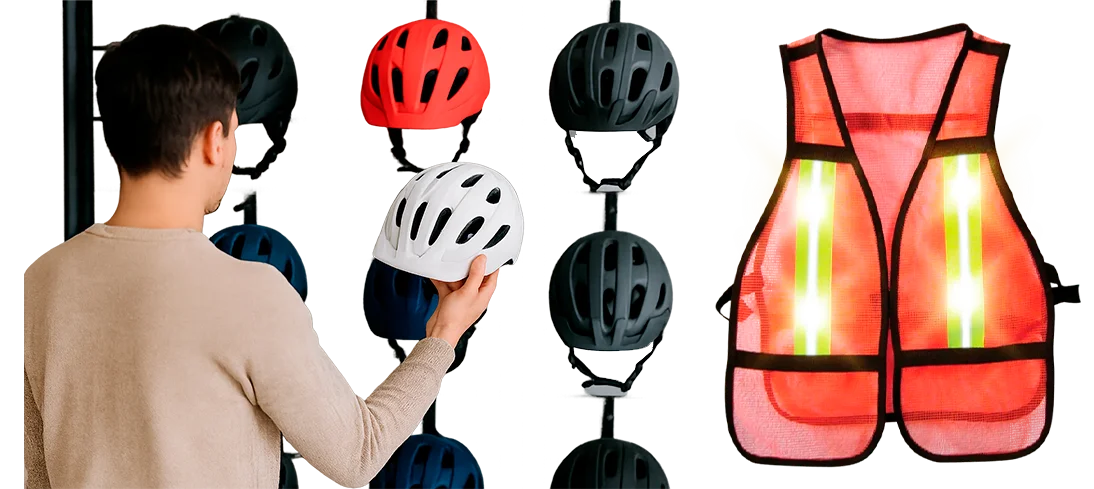
Having the right bike is only part of the journey. It is just as important to have basic safety gear. A certified helmet is essential for protecting your head; front and rear lights improve your visibility, especially at night; and a sturdy lock will help prevent your bike from being stolen when you park it. Reflective vests or bands are also useful if you ride on poorly lit streets.
The Right Bike For Every Lifestyle
Choosing a bike is more than just a purchase: it is the beginning of a different way to move around and enjoy your surroundings. Knowing the different types of bikes, their features, and the size you need will help you make an informed and safe choice.
There is no perfect bike for everyone; there is only the one that fits each person and their lifestyle. Whether you use it for your daily commute, exercise, or exploring new paths, taking the time to understand what you need will help you enjoy every ride. With this basic guide, you now have the key information to identify how to choose your ideal bike and ride with confidence on any road you decide to take.
More questions? Meet the cycling infrastructure experts and discover a new world waiting to be explored, along with the bike lane products that will help keep you safe on your next ride.