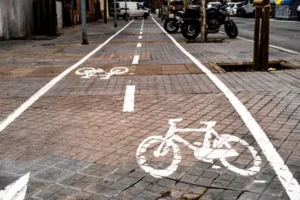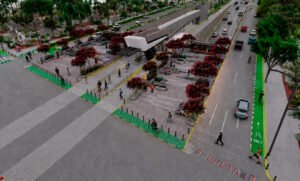


Mexico City is preparing to welcome the Gran Tenochtitlán Cycling Corridor, one of the longest and most significant bike lanes in the city. As a result, this ambitious project is expected to strengthen urban connectivity, encourage sustainable transportation, and create a safer environment for cyclists and pedestrians alike.
Join us and discover everything you need to know about this groundbreaking project. In this article, you’ll learn how long the Gran Tenochtitlán Cycling Corridor will be, where it will be located, and when it is expected to open to the public. Additionally, explore how this initiative will contribute to safer, more connected, and sustainable urban mobility in Mexico City.
Explore the Gran Tenochtitlán Cycling Corridor: Route, Features, and Benefits
Attention, cyclists! Very soon, you’ll have access to a new cycling route that will connect the city center with the southern area of Mexico City, making it easier and safer to travel in both directions. Furthermore, this new infrastructure is designed to improve connectivity, support sustainable mobility, and enhance the overall cycling experience.
The Gran Tenochtitlán Cycling Corridor is one of the most ambitious cycling infrastructure projects in recent years. It is expected to enhance connectivity, improve road safety, and promote sustainable mobility across Mexico City.
According to Mexico City Mayor Clara Brugada, the Gran Tenochtitlán Cycling Corridor will span 21.1 miles and will run along the far-right lanes of Calzada de Tlalpan. As a result, the project is expected to improve connectivity and provide a safer route for cyclists traveling across the city.
However, Clara Brugada noted that the bike corridor should not be confused with the elevated pedestrian walkway planned along Calzada de Tlalpan. Although both projects seek to enhance urban mobility, they are intended for different users and purposes.
Where Will The Gran Tenochtitlán Cycling Corridor Run From And To?
Designed to improve connectivity across Mexico City, the bike lane will link the southern boroughs of the city with the Historic District. The project will stretch approximately 21.1 miles, running at street level to provide a safe, efficient, and accessible route for cyclists.
“We are going to build a 21.1-mile cycling corridor from the Zócalo to Periférico, which will be called the Gran Tenochtitlán Bike Corridor. As I mentioned, it will run along Calzada de Tlalpan and will greatly benefit the city,” said Clara Brugada.
Clara Brugada also emphasized that the project will benefit thousands of cyclists who use Calzada de Tlalpan every day. At present, the corridor lacks dedicated cycling infrastructure, forcing riders to share space with vehicular traffic. As a result, the new bike corridor is expected to improve safety, connectivity, and accessibility for cyclists throughout the route.
The Best Bike Lane In The City
With an extensive route and strategic location, the cycling axis is expected to become one of the most important cycling corridors in Mexico City. Furthermore, the project will strengthen connectivity between key areas of the capital while promoting safer and more sustainable urban mobility.
“Many cyclists already travel along Calzada de Tlalpan, and this project will help provide them with the infrastructure they need. We expect it to become one of the most important and high-quality cycling corridors in the city,” Clara Brugada said.
For that, is expected that this cycle path has the necessary traffic control devices to provide a greater cycling protection, such as installation of bike lane delineators, horizontal and vertical signage, lighting, etc.
When The Cycling Corridor Will Be Ready?
Although Clara Brugada has not announced an official opening date for the Gran Tenochtitlán Cycling Corridor, the project is part of a broader effort to improve mobility ahead of the 2026 FIFA World Cup. Therefore, it is expected that the corridor will be completed and operational before the tournament begins.t
Clara Brugada also emphasized that the elevated pedestrian corridor is among the most significant urban development projects planned by her administration. In addition, she confirmed that construction is expected to get underway soon.
The elevated pedestrian corridor will be constructed above Metro Line 2, providing a safer and more accessible route for pedestrians. Furthermore, the project includes the restoration of 34 underground pedestrian crossings along the corridor, helping enhance connectivity and improve the overall pedestrian experience.