

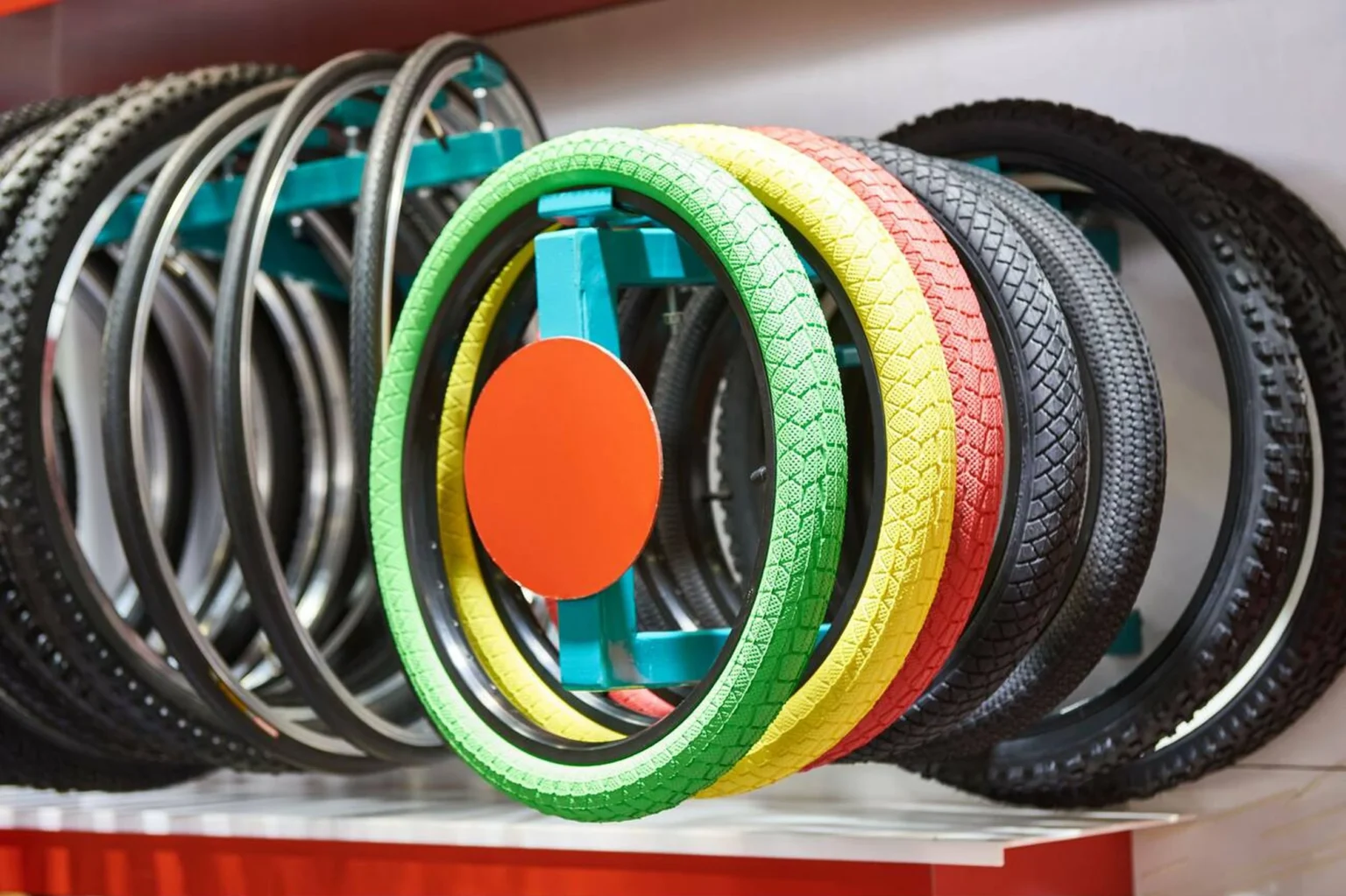
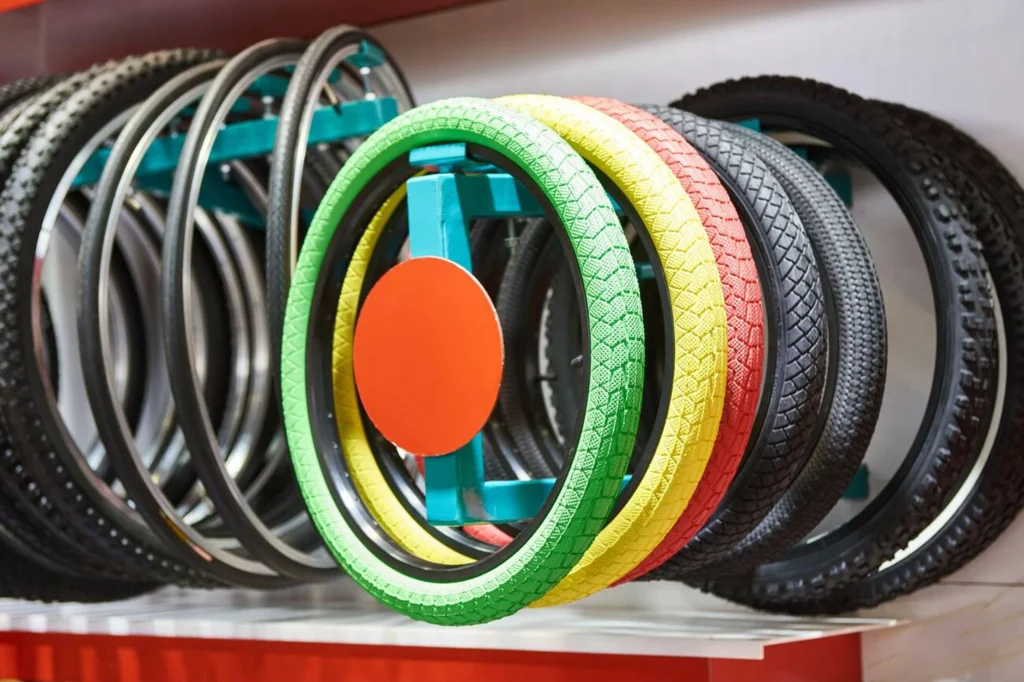
Bike tires: Two words that can completely change the way you ride. You may think all tires are the same, but the truth is far more complex: choosing the right option can make the difference between riding with safety and comfort or struggling through every mile. Whether you ride in the city, on the road, or on mountain trails, tires are the direct point of contact with the ground and determine grip, performance, and confidence.
In this practical guide, you will learn about the different types of bike tires, which option best fits your riding style, and the factors you should consider before making a choice.
Why Choosing the Right Bike Tire Matters
Many riders overlook their importance, but bike tires are essential for safe and efficient riding.
- Safety: The right tire provides better stability, improves braking performance, and reduces the risk of falls.
- Comfort: Tire width and design play a key role in ride quality, affecting whether a bike feels smooth, comfortable, or overly rigid.
- Durability: The right bike tires can withstand wear, changing weather conditions, and the type of terrain you ride on most often.
- Performance: From speed to traction, everything depends on the type of bike tire you choose.
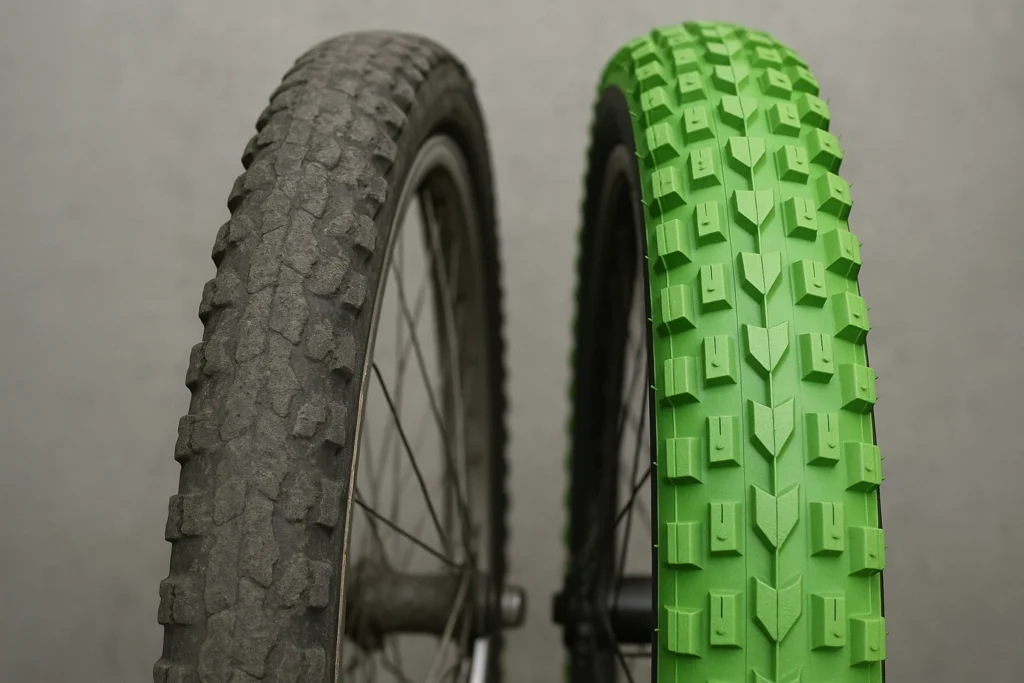
Types of Bike Tires Vary Depending on the Terrain You Ride On
Choosing the right option helps improve performance, comfort, and safety on every route.
🚲 Bike Tires for City and Urban Riding
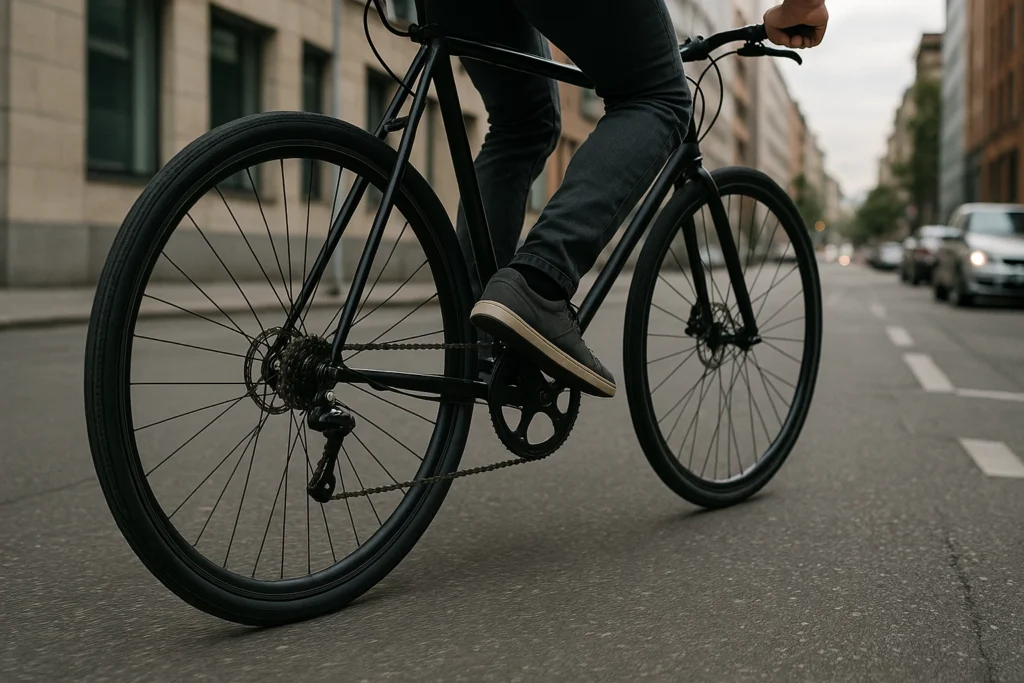
Designed for riders who use their bike for daily commuting. These tires are typically smooth or feature a light tread pattern that provides reliable grip on paved roads. Key considerations include puncture resistance, comfort, and low rolling resistance to help maintain efficiency on longer rides.
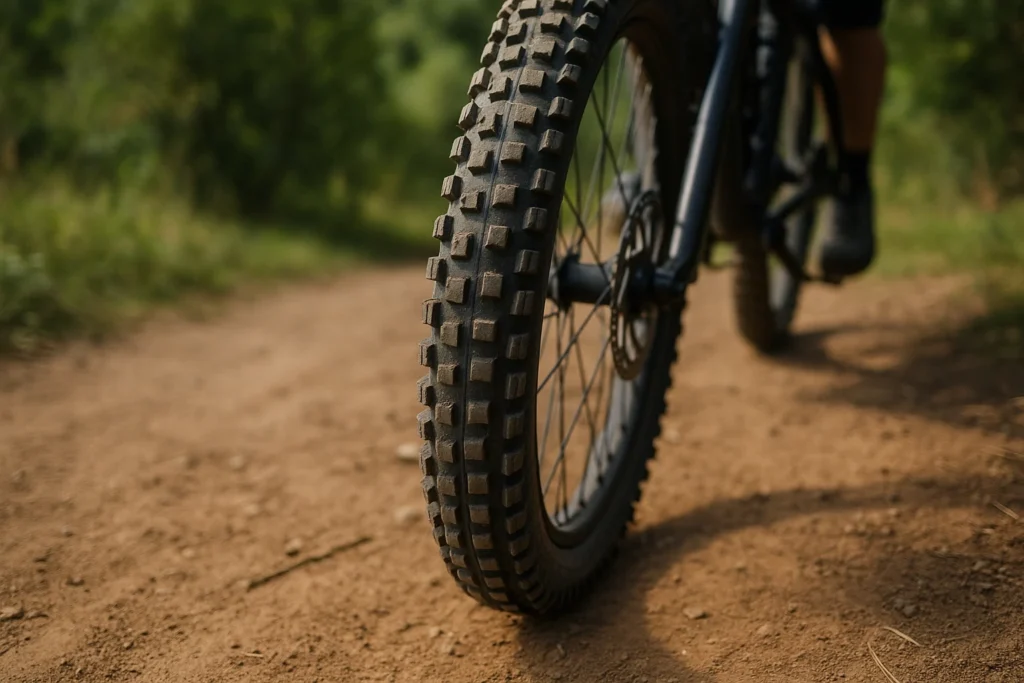
⛰️ Mountain Bike Tires
Built for rough terrain, these tires feature deep, aggressive tread patterns that provide excellent traction on dirt, rocks, and mud. They are wider to absorb impacts and offer greater stability on challenging trails.
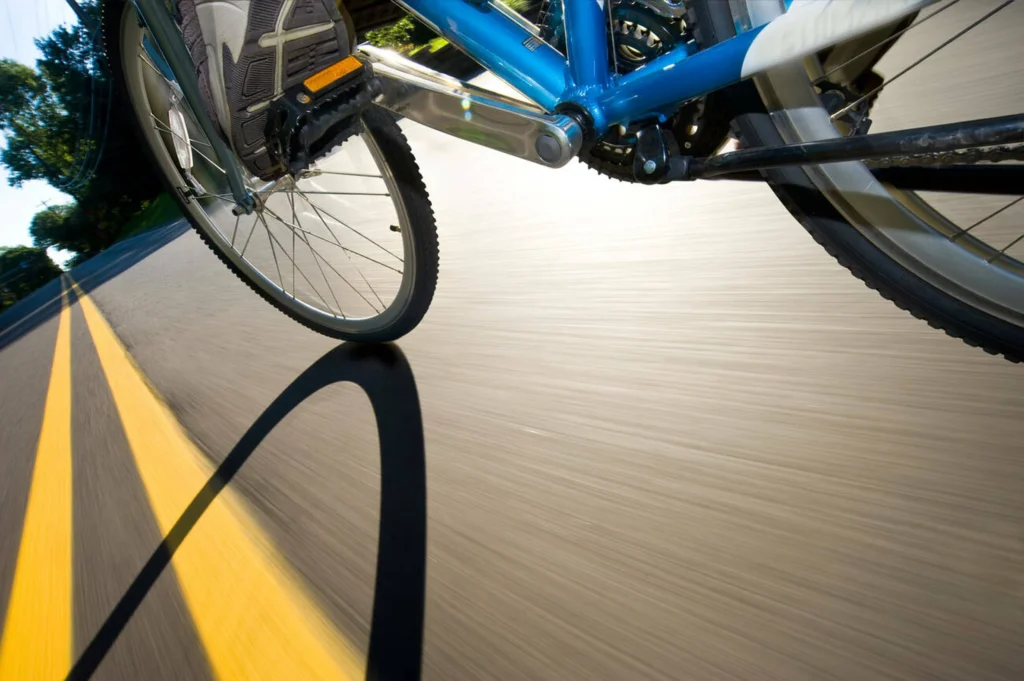
🛣️ Road Bike Tires
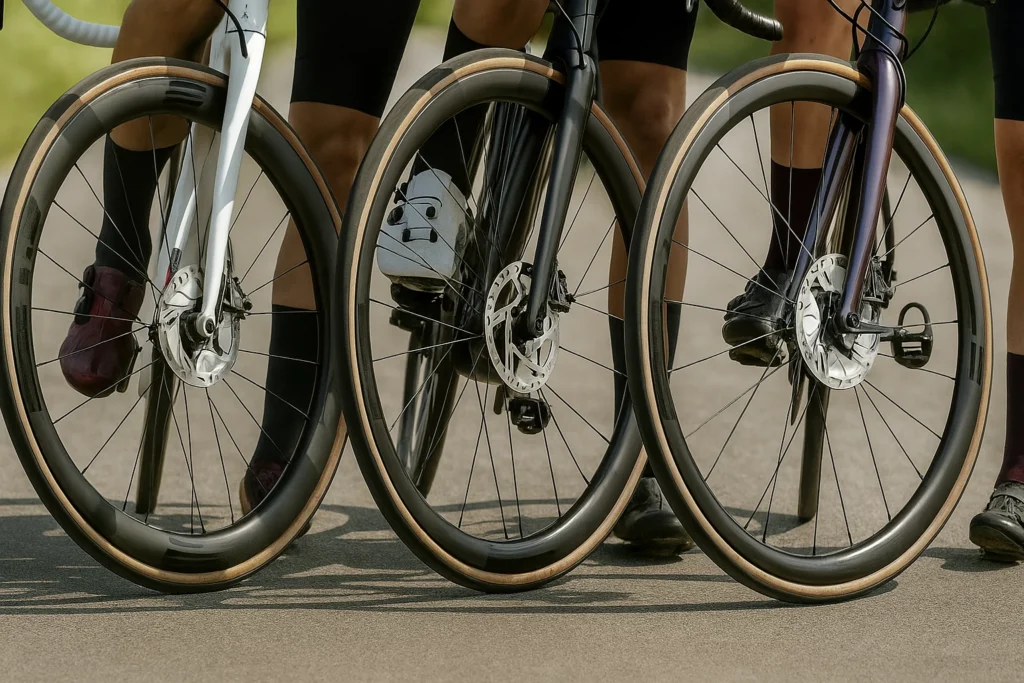
These are the thinnest and lightest bike tires, with minimal tread to reduce rolling resistance and maximize speed on paved roads. They are designed for riders seeking high performance, long-distance training, or racing.
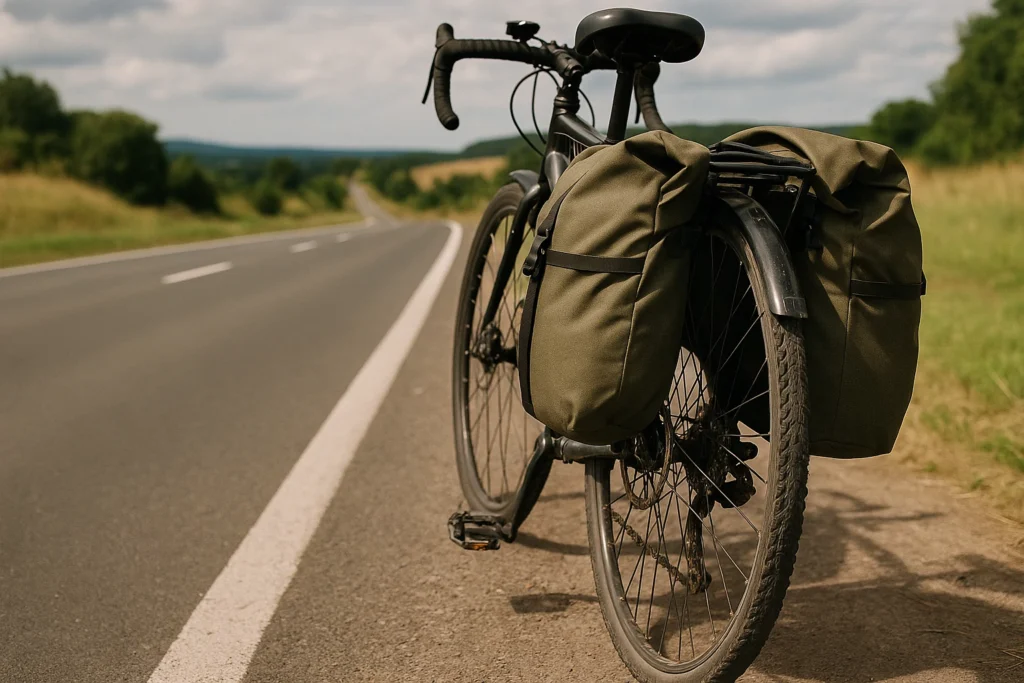
🌍 Touring and Long-Distance Bike Tires
Designed to balance durability and comfort, these tires can handle extra weight, including luggage or panniers, adapt to different road surfaces, and provide long-lasting performance without excessive wear.
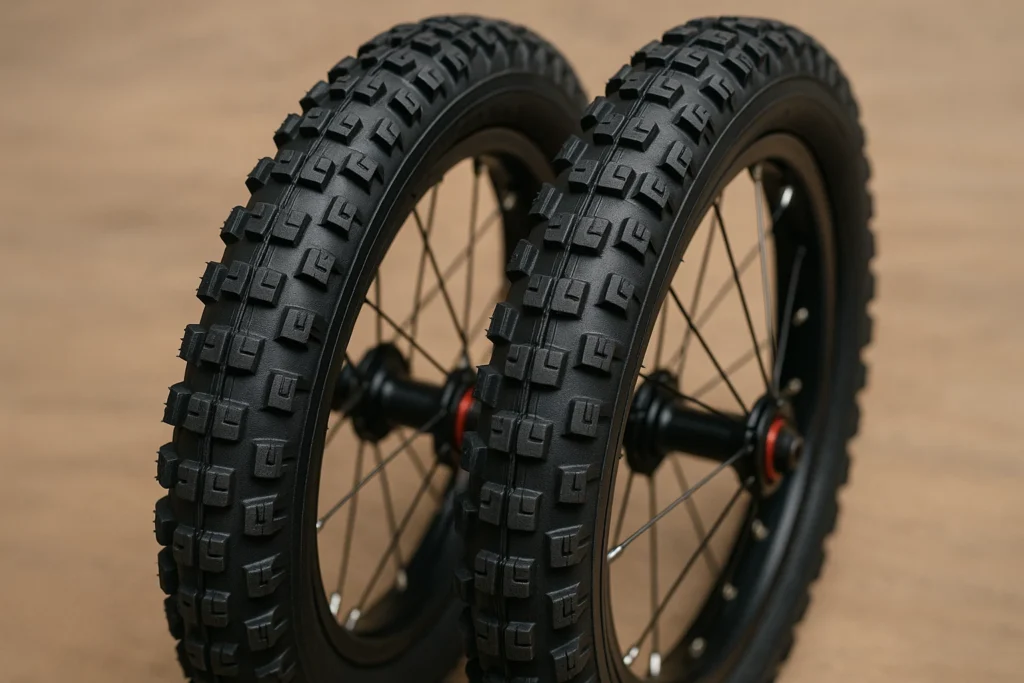
👦 Kids’ and Beginner Bike Tires
These tires are wider and provide excellent grip, ensuring greater stability and confidence for new riders. Here, safety takes priority over speed.
What to Consider When Choosing Bike Tires
These tires are wider and provide excellent grip, giving new riders greater stability and confidence:
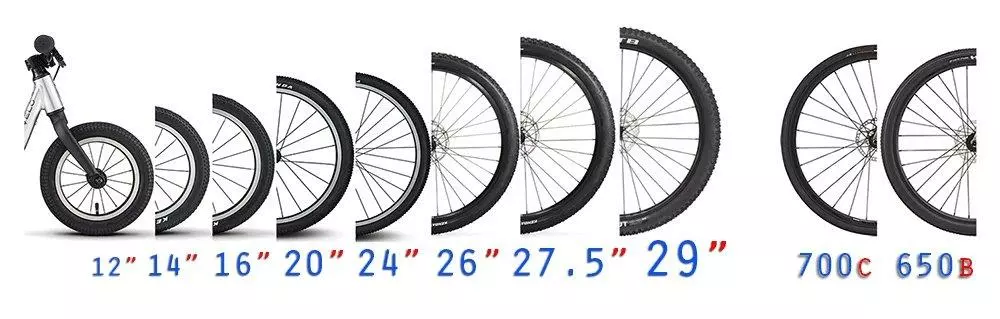
- Size and dimensions: Every bike requires tires with the right diameter and width. Not all tires are compatible with every frame or wheel setup.
- Tread type: Smooth tires are best for pavement, hybrid tires work well on mixed surfaces, and knobby tires are designed for mountain riding.
- Inflation pressure: It affects comfort and grip. A lower-pressure tire absorbs bumps and uneven surfaces better, while a higher-pressure tire rolls faster.
- Material durability: Look for tires that are resistant to wear and ensure good puncture protection.
Practical Tips
- Define the main use: Is it for city riding, mountain biking, road cycling, or long-distance trips? Your preferred terrain will guide your choice.
- Check compatibility: Make sure the tire size is suitable for your bike.
- Balance comfort and performance: The lightest tire is not always the best option. Sometimes safety, durability, or resistance matter more.
- Consider the weather: If you live in an area with frequent rain, the tire tread pattern should help channel water away.
- Basic maintenance: Keeping the correct tire pressure and checking for wear will extend its lifespan and improve safety.
When Should You Replace Your Bike Tires?
There is no exact timeline, but there are clear signs that it’s time to replace your bike tires:
- The tread is worn smooth or noticeably worn down.
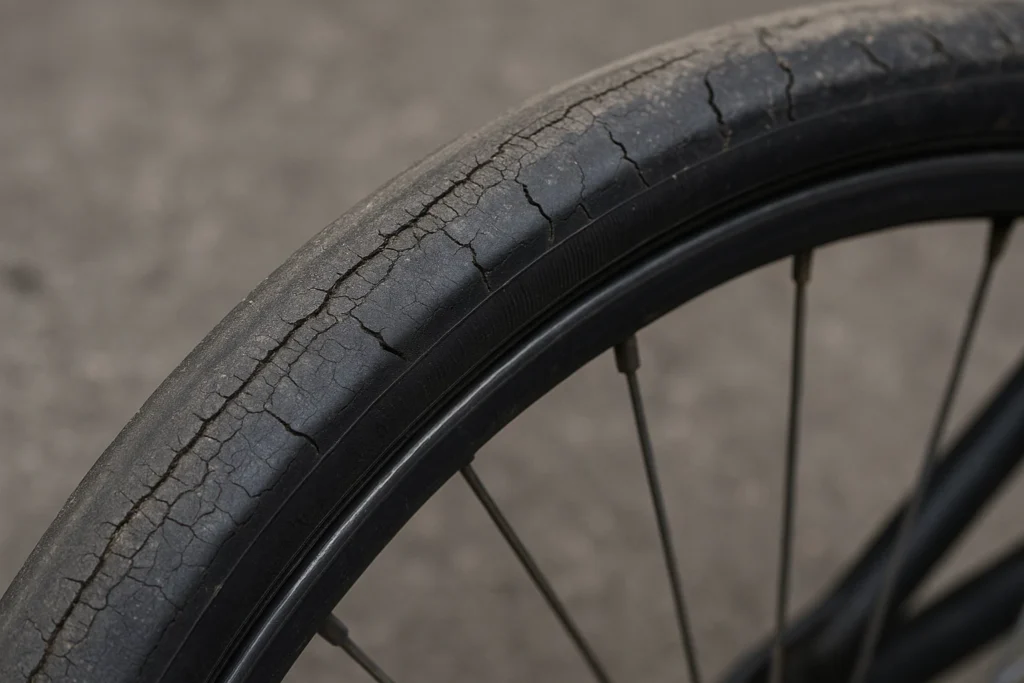
- Cracks appear on the sidewalls.
- The bike feels unstable or slips more often than usual.
- More frequent punctures than usual.
Under normal riding conditions, bike tires can last between 1,900 and 3,100 miles, although their lifespan depends on the terrain, how well they are maintained, and proper tire pressure.
Confident Riding Starts With Your Tires
Choosing the right bike tires is not just a technical detail: it is what determines your safety and comfort on every ride. By selecting the perfect tires for city riding, road cycling, or challenging terrain, you can improve your performance and gain confidence on every journey.
If you want to take the next step, check out this guide on how to chose your ideal bike. And if you want to learn more about urban mobility, the Urban Bikeway Design Guide is an inspiring resource for understanding how cycling infrastructure transforms cities.
Armed with the right knowledge, proper tire maintenance, and the right equipment, selecting the ideal bike tires becomes a much easier task. The result is a safer, smoother, and more rewarding riding experience every time.