
We have talked extensively about the importance of keeping your bicycle in good working condition. Now, it is time to focus on another key aspect of cycling safety: Changing your bike tires. Knowing when to replace them is essential, since worn‑out tires can compromise both your safety and the overall riding experience.
Join us in this new ride, where we’ll explain why replacing your bike tires is important and when you should make the change.

Why Replacing Your Bike Tires Matters
Your bike tires are essential for both your cycling performance and the overall condition of your bicycle. Moreover, having a reliable set of tires provides better traction, stability, and control on the road.
Whether you ride a road bike or a mountain bike (MTB), keeping your tires from becoming excessively worn can provide better grip on the pavement. As a result, you can maintain greater control at higher speeds and brake more effectively when needed. In addition, tires with adequate tread can reduce the risk of dangerous skids, helping you maintain stability and control during sudden braking or challenging riding conditions.
If you prefer mountain biking, keeping your tires in good condition can provide better traction on challenging terrain. As a result, whether you ride on dirt, gravel, grass, or rocky trails, you can climb and descend with greater control.
On the other hand, replacing your bike tires when necessary not only provides better grip, traction, and braking performance, but can also prevent damage to other bicycle components. Therefore, paying attention to tire condition is an important part of regular bike maintenance.
When Should You Replace Your Bike Tires?
Bike tires are among the bicycle components most susceptible to wear because they remain in constant contact with the road surface, gradually losing tread with every mile you ride. In addition, unlike other components that can be lubricated, tightened, or adjusted, worn rubber cannot be restored once it has been lost. For this reason, regular tire inspections are essential for maintaining proper traction, braking performance, and overall cycling safety.
For this reason, knowing when to replace your bike tires is essential for maintaining proper performance and safety. In addition to the reasons mentioned above, there are other factors that can indicate when it is time to get a new set of tires. Furthermore, recognizing the warning signs of tire wear will help you make timely decisions and keep your bicycle ready for every ride.
On the other hand, it is important to keep in mind that when we refer to “bike tires”, we are talking about both the rubber tire and the wheel rim. In other words, these two components work together to provide proper performance, stability, and control while riding.
Worn or Cracked Tire
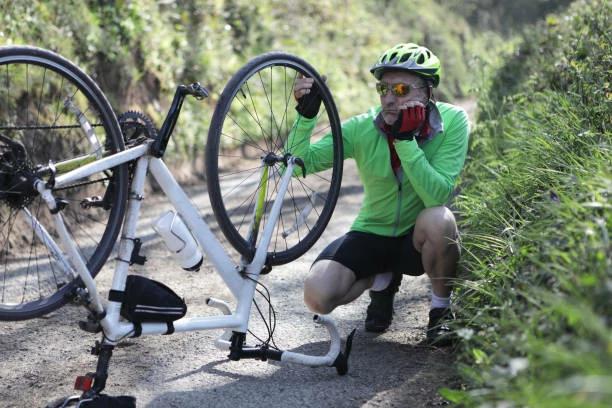
The easiest way to know when it’s time to replace your bike tires is by checking the inner tube. If, at a glance, you notice cracks, splits, or visible cuts, it’s a clear sign of extreme wear. Moreover, every rotation gradually thins the tire, making replacement not just necessary but essential for safe cycling.
Over time, this causes the constant flat tires and need of patching or change your bike inner tube.
Concave Rim
With rim brakes, every stop applies pressure to the wheel’s braking track. As a result, the repeated contact slowly erodes the surface. Ultimately, this wear creates a noticeable concavity around the rim, which not only reduces performance but also highlights the need for timely maintenance and replacement.
After many miles, rims naturally wear down. Therefore, we recommend sliding your fingers across the braking surface. Whenever you notice a clear concavity, it’s the perfect moment to change the rim. As a result, you’ll enjoy smoother braking, greater safety, and a more reliable cycling experience.
Worn-Down Hubs
Hubs naturally collect dust and grime within their core. Although the exterior may appear spotless, hidden residue can compromise performance. For this reason, an annual internal cleaning and lubrication is highly recommended. As a result, cyclists enjoy greater safety, improved efficiency, and longer‑lasting components.
Bearings may deteriorate if they are not maintained regularly. Nevertheless, this doesn’t require replacing the whole wheel. Rather, it involves changing the hubs and the bearings themselves. Ultimately, consistent attention keeps them from affecting the tire or the rim, ensuring safer and smoother rides.

Collateral Damage to The Rest of The Wheel
Replacing your bike tires at the right moment is a smart investment in your cycling experience. In fact, it protects the rim and the spokes from unnecessary wear. As a result, you avoid expensive repairs, extend the life of your wheels, and enjoy every ride with confidence and peace of mind.
Well‑maintained tires, particularly the rubber surface, provide essential cushioning for the wheel. Since they take the first hit from bumps, gravel, and unexpected objects on the road, correct pressure and ideal thickness prevent damage to the rim and the spokes. As a result, cyclists enjoy safer journeys, longer‑lasting wheels, and a more reliable riding experience.
When bike tires are too thin and improperly inflated, every bump feels like a direct hit to the rim. As a result, dents appear quickly, weakening the wheel’s integrity. Furthermore, the rim can lose its circular form and become oval, creating a serious hazard that affects the spokes and every other part of the wheel.
Key Takeaways
Bike tires are the first line of protection against the bumps and impactas your bicycle experiences on every ride. Therefore, keeping them in good condition can help preserve the wheel’s other components an maintain reliable performance. Moreover, well-maintained tires provide better traction and stability, making them an essential part of a safer and more comfortable cycling experience.
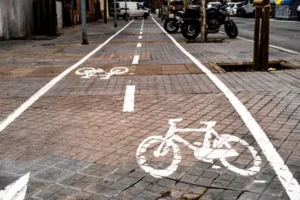
Additionally, keeping your bike tires in good condition can improve braking performance and reduce the risk of skidding, increasing your safety on the road. When riding on bike lane, this becomes especially important. For example, accidentally riding over bike lane separators, can affect your stability and control, even though some of these traffic control devices feature built-in anti-slip properties.
So, now you know: when the rim becomes warped, the spokes are damaged or deformed, or the tire tread is worn down, it is time to replace your bike tires. In addition, recognizing these warning signs early can help maintain proper traction, stability, and braking performance. Therefore, regular inspections are essential for a safer and more reliable ride.