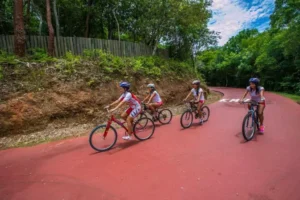

For many people in Mexico and across the globe, cycling has become an essential part of daily life. More than a temporary trend, bicycles help address traffic, environmental challenges, and the need for more livable cities. As a result, more people choose bikes for commuting to school, work, and other daily activities. Even so, a key question arises: Where should cyclists park their bicycles safely once they arrive?
Safe bike racks are a key part of modern urban mobility. Even though they may appear simple, these installations improve everyday travel and contribute to better-organized cities. As a result, more people feel encouraged to travel by bicycle and support cleaner transportation alternatives.
What Are Bike Racks, and Why Are They Transforming Urban Mobility?
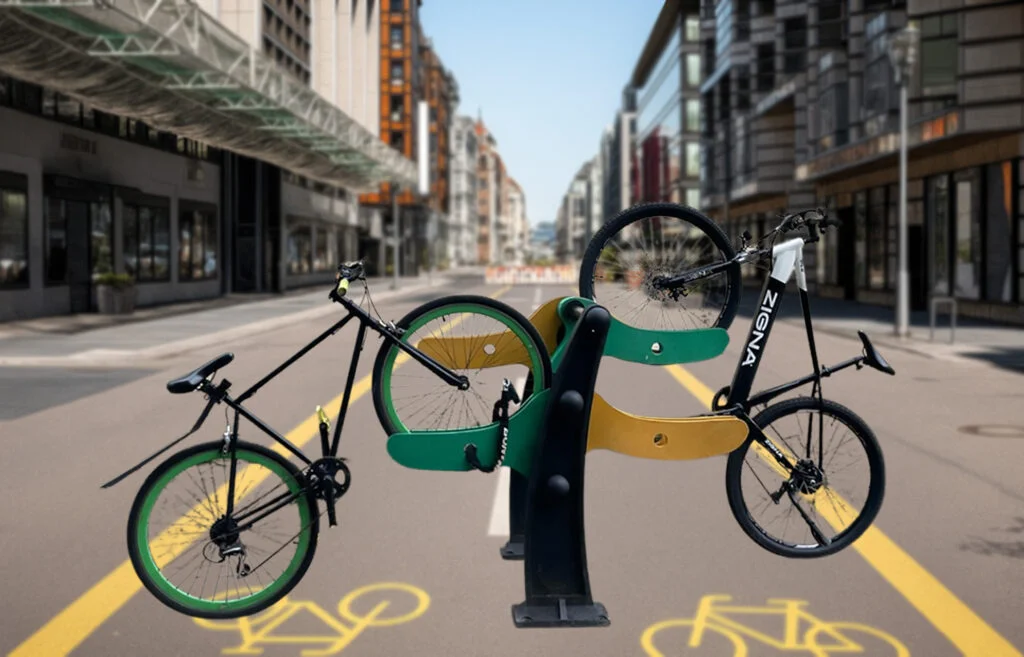
Bike racks provide organized and secure parking for bicycles. More than a simple convenience, they have become an essential part of urban infrastructure, encouraging people to choose bicycles for everyday transportation.
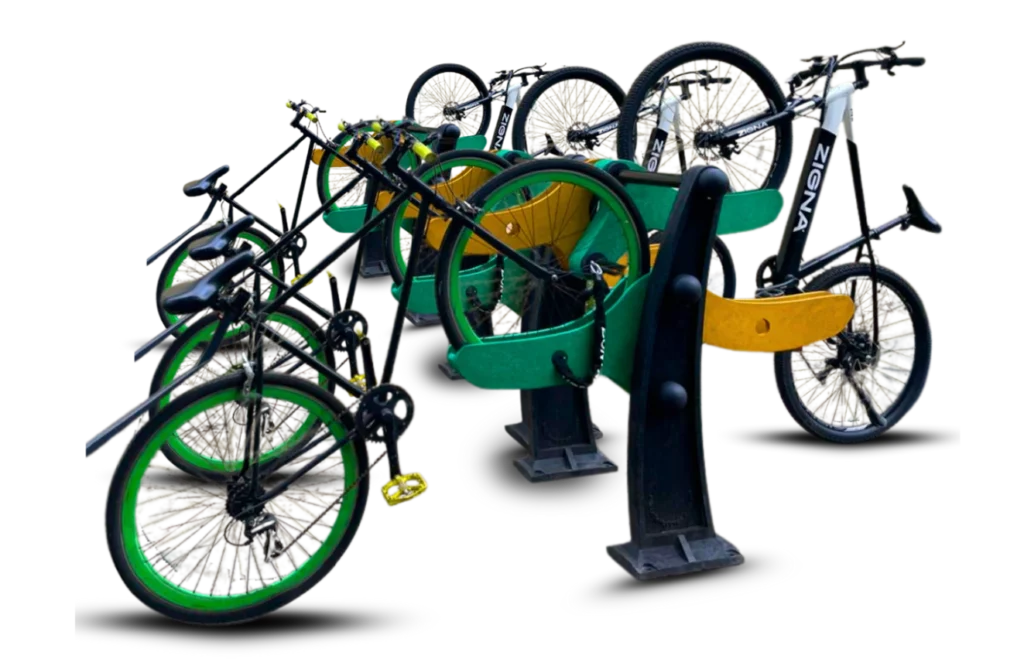
The modular layout adapts to different spaces, ranging from compact racks for two bicycles to larger modules that hold up to twelve bicycles. Construction with high-strength polymer and steel tubes helps withstand daily use and constant exposure to sun and rain with minimal wear.
Bike racks adapt to many urban settings, from parks and housing developments to office buildings, medians, and tourist attractions with steady bicycle traffic. Therefore, cities can improve street organization and provide cyclists with dedicated parking spaces.
Essential Support for Everyday Cyclists
Finding a bike rack at the end of a ride gives cyclists greater confidence. A secure place to park a bicycle helps reduce the risk of theft and exposure to harsh weather, making everyday travel around the city easier and safer.
These bike racks also contribute to safer streets by reducing the chances of accidents and discouraging bicycle parking on sidewalks or makeshift locations. Moreover, bright colors such as yellow and green improve visibility, making it easier for pedestrians and drivers to recognize areas designated for cyclists.
Solutions like these also encourage people who are still hesitant to ride a bicycle for everyday transportation. When cities provide infrastructure that makes cycling easier and safer, more people feel confident about choosing this sustainable mode of transportation.
A Key Element of Sustainable Urban Mobility
More than just bicycle parking spaces, bike racks represent a step toward cleaner and more human-centered cities. Each one contributes to a new vision of urban mobility where pedestrians, cyclists, and drivers can share public spaces more effectively, enhancing life in the city.
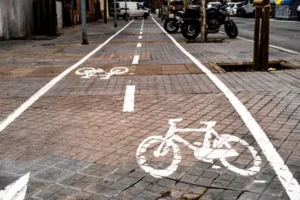
In modern cities, cycling has moved beyond being just a recreational activity. It is now a transportation solution that helps people save time, reduce expenses, and contribute to a cleaner environment. Together, cycling signs, bike lanes, and bike parking facilities create an infrastructure network that promotes daily bicycle use and decreases reliance on private vehicles.
2026 World Cup: A Unique Opportunity to Transform Mobility in Mexico
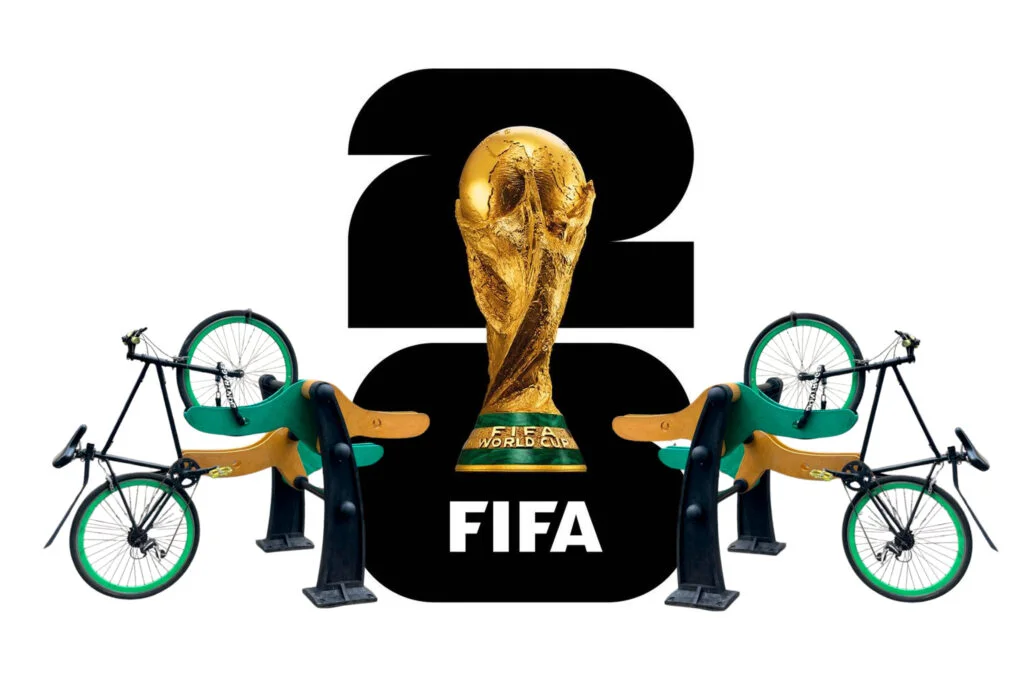
In 2026, Mexico will become one of the host countries for the FIFA World Cup, one of the biggest sporting events on the planet. Millions of visitors are expected to arrive, bringing international attention to Mexican cities. This historic moment provides an opportunity to promote a more sustainable and people-focused approach to urban mobility that benefits millions of residents.
Ahead of the World Cup, Mexico City’s government and BBVA launched a private trust fund of 227 million American dollars to finance urban mobility projects. Beyond streets and public transportation, this investment includes a historic focus on large-scale bike parking facilities, helping position cycling as a reliable transportation alternative for residents and visitors. Moreover, new strategies will assess project results and strengthen the economic impact expected from the tournament.
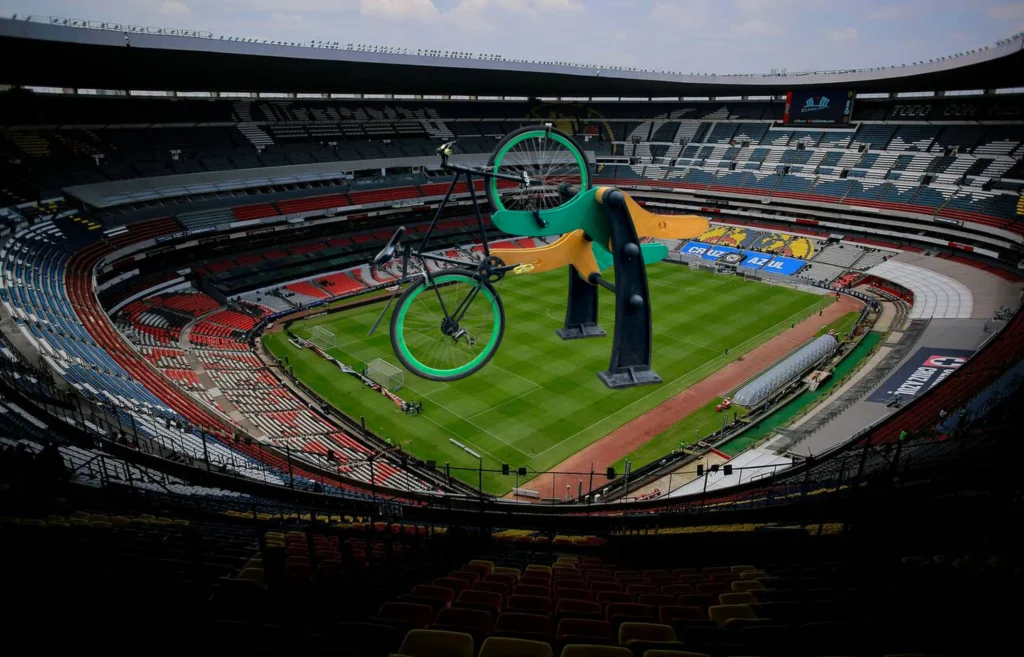
Picture yourself moving through the host city by bicycle, arriving at stadiums, tourist attractions, and cultural events with access to secure bike racks. This infrastructure goes beyond convenience; it helps ease traffic and reduce pollution as thousands of visitors and residents travel across the city every day.
How Cycling Infrastructure Impacts Lifestyle and Community Engagement
Beyond improving mobility, bike parking facilities are helping reshape the way people experience city life. They encourage healthier routines, increase public involvement in sustainability efforts, and create stronger connections between residents and their urban environment.
These bike parking solutions help make cycling a realistic option for people who want more efficient, affordable, and sustainable transportation. Moreover, with the 2026 FIFA World Cup approaching, this infrastructure can showcase Mexico as a country embracing innovation and the future of urban mobility.
Building a Long-Term Mobility Legacy Beyond the Tournament
Although the 2026 World Cup will be a defining moment, the value of these infrastructure projects will go beyond the tournament itself. The bike parking facilities introduced today will become long-term resources for millions of residents and visitors who rely on cycling every day.
Integrating bike parking facilities into city infrastructure sends a powerful message: urban spaces should prioritize people, not only vehicles. These investments contribute to safer, cleaner, and more connected cities, making everyday transportation simpler and more efficient.
Imagine the Future of Urban Mobility in Mexico
Learn how bike parking facilities are changing urban mobility and helping create a safer, cleaner, and more sustainable future for cities.
Find out more about our bicycle parking solutions and how to incorporate them into your urban mobility project.