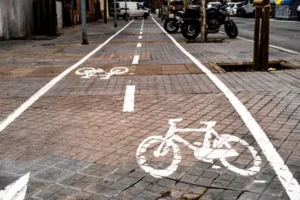

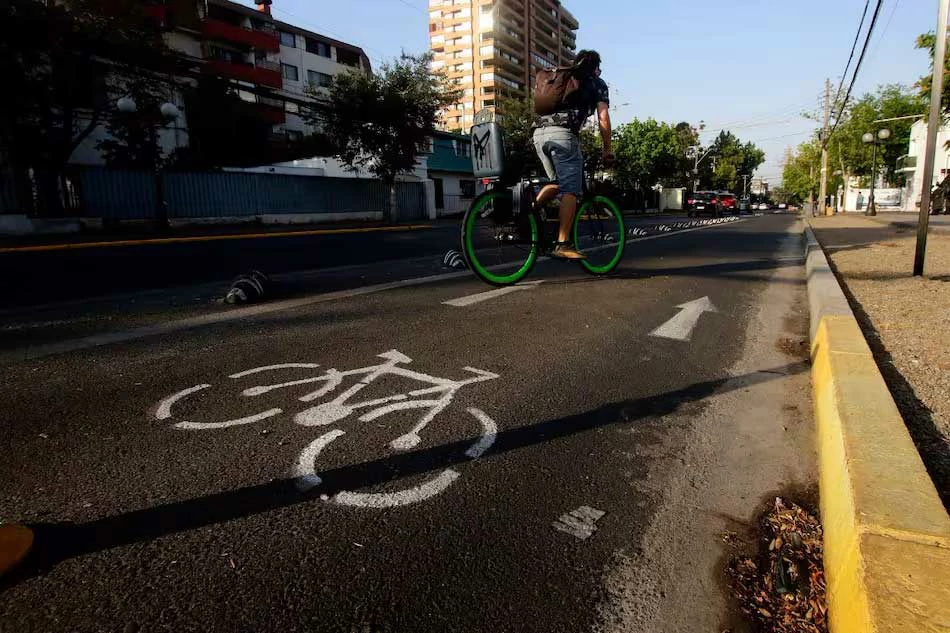
The growing network of bike lanes in Chile highlights the increasing importance of cycling around the world. Moreover, the government of Paine has introduced plans for a major expansion of cycling infrastructure, strengthening safer and more accessible routes for everyday travel.
Current bike lanes in Paine provide a starting point, yet the cycling network remains limited despite the rapid growth of bicycle travel throughout the region. Therefore, students from the University of Chile are working on the “Connecting Paine: Master Plan for Safe and Efficient Bike Lanes” project, a proposal focused on expanding safer and better-connected cycling routes.
Continue reading to explore this ambitious proposal and discover why sustainable mobility and expanded bike lanes play such an important role in creating healthier, safer, and more connected communities.

Paine’s Master Plan: A Key Step in Expanding Bike Lanes in Chile
A team of university students aims to launch the Paine Master Plan to expand bike lanes in Chile and promote sustainable mobility. Additionally, the proposal seeks to increase safety, enhance the condition of existing cycling routes, and develop entirely new bike lanes across the municipality.
Consequently, the “Connecting Paine: Master Plan for Safe and Efficient Bike Lanes” initiative came to life.
It is proposed by Benjamín Sabag (Transport Civil Engineering), Benjamín Alvial (Department of Computer Science) and Valentina Sánchez (Department of Industrial Engineering). They, in direct collaboration with local community, represented by Patricia Soto, community leader, and Jonathan Campos, creator of the initiative “Te quiero Cleta”.

Key Objectives of the Paine Master Plan
The project focuses on modernizing existing bike lanes and adding new cycling routes. Furthermore, the plan aims to connect the entire network with key destinations, high-demand travel corridors, and bicycle parking locations, creating a safer and more accessible system.
These initiatives contribute to sustainable mobility and highlight the fundamental role of bike lanes in creating safer, more connected, and accessible urban transportation networks.
Expanding cycling infrastructure encourages more people to use bicycles for daily travel. Furthermore, when cyclists ride through designated routes that are physically separated or properly marked from vehicle traffic, they experience safer and more comfortable journeys.
Additionally, connecting various cycling corridors with important destinations, including bicycle parking facilities, makes it easier for cyclists to combine bicycles with public transportation. Therefore, switching between different mobility options becomes safer, smoother, and more convenient.
As a result, residents of Paine and cyclists across Chile’s bike lane networks could enjoy smoother, safer, and more comfortable journeys on two wheels.
How Can This Be Achieved?
To expand bike lanes in Chile, this goal requires a comprehensive process that includes project planning, route design, implementation, and the development of new cycling infrastructure. Ultimately, each stage plays an important role in creating safer and better-connected cycling networks.
The Paine Master Plan is Built Around the Following Roadmap to Expand and Improve Cycling Infrastructure:
- Background data collection: Existing records are gathered, including information about the physical characteristics of properties, and a community participation process is planned. Additionally, this stage identifies potential bike lane routes and evaluates the level of use expected from residents.
- Assessment: The project area is visited, and a detailed analysis of the collected information is carried out to understand current conditions and mobility needs.
- Design: Meetings and discussions with the community take place to address questions and potential concerns. Furthermore, this phase includes the planning of bike lane routes, the definition of required cycling infrastructure, and an estimated project budget.
- Finalization: The final proposal for the master plan is prepared and presented.
Once every stage of the plan receives approval, the improvement and expansion of bike lanes in Paine can become a reality. In addition, this initiative could demonstrate the importance of developing more cycling infrastructure in Chile to encourage cleaner and more sustainable transportation options.