
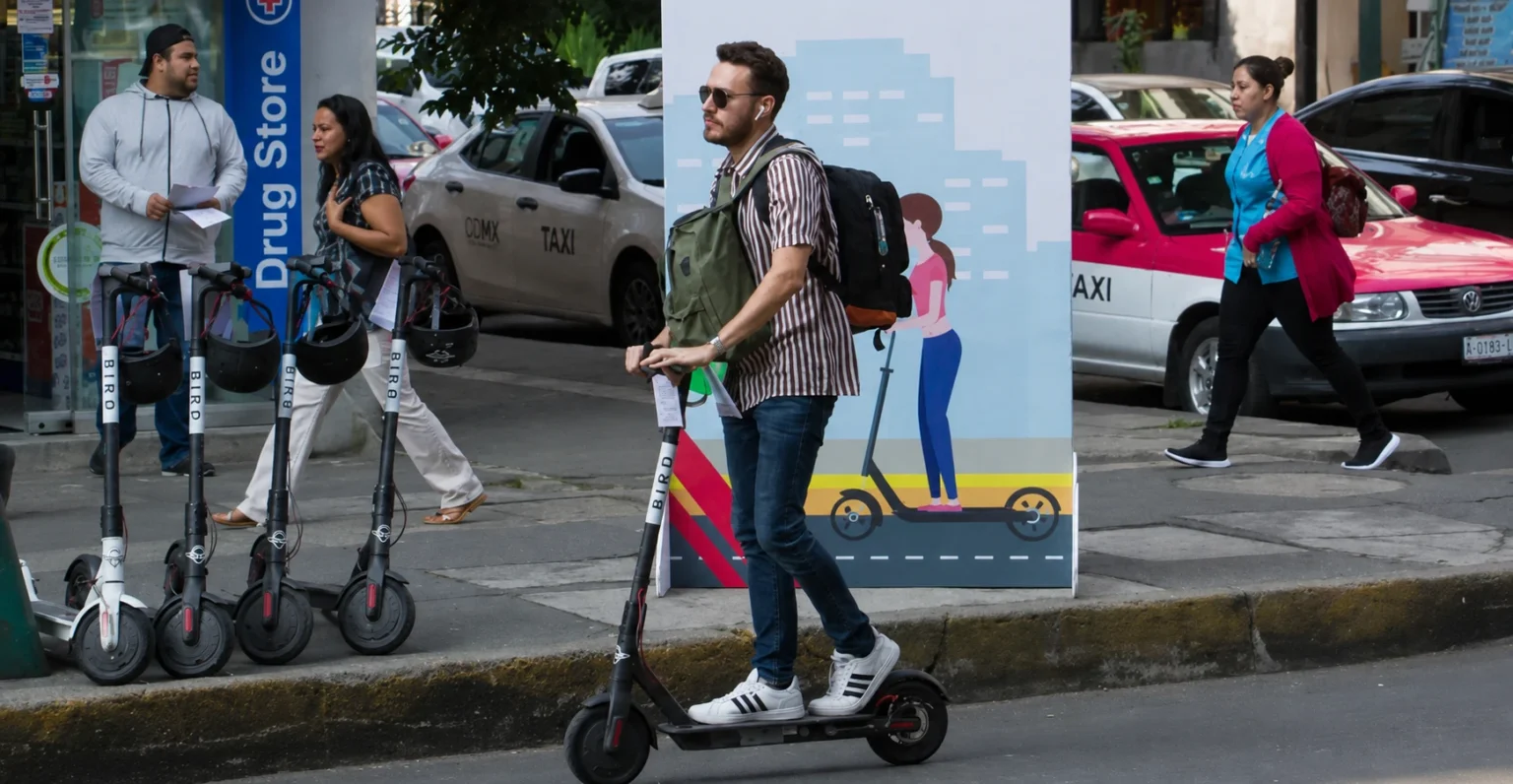
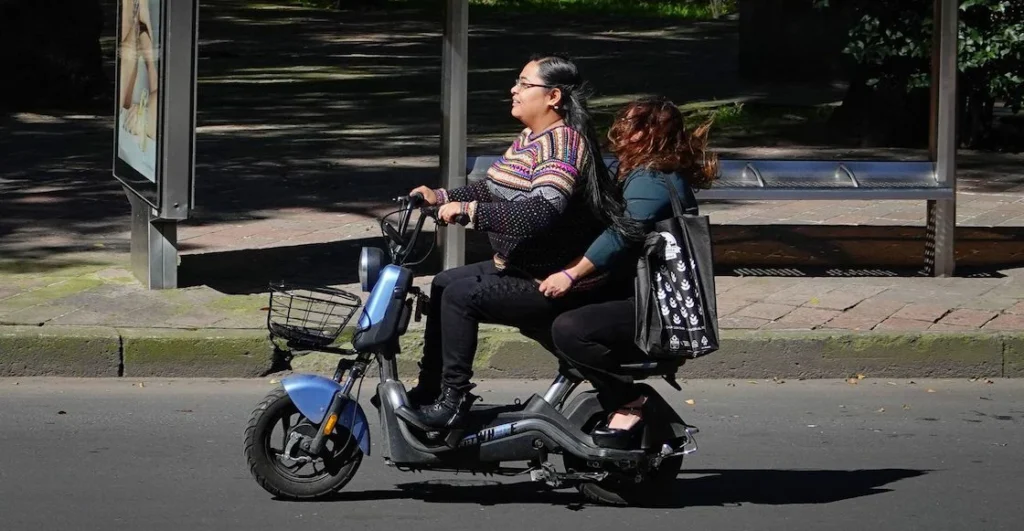
Over the past few years, electric scooters and e-bikes have gained popularity as practical transportation alternatives in Mexico City. These vehicles are fast, affordable, environmentally friendly, and help reduce travel times in busy areas. Nevertheless, their expansion happened faster than the development of clear regulations, resulting in accidents, circulation in prohibited zones, and confusion about liability after a crash.
Licenses for Scooters and E-Bikes in Mexico City are becoming an essential requirement for safer mobility. New regulations establish that users of electric scooters and e-bikes must comply with specific rules, including registration requirements and operating guidelines. These measures aim to improve road safety, organize urban transportation, and ensure that all road users can share public spaces more responsibly.
Mandatory License Requirements
In response, the Congress of Mexico City approved a reform to the Mobility Law that establishes new regulations for electric scooters and e-bikes. Under the new rules, users will be required to register their vehicles, obtain license plates and a registration card, and hold the appropriate license to operate them.
Why The Law Changed
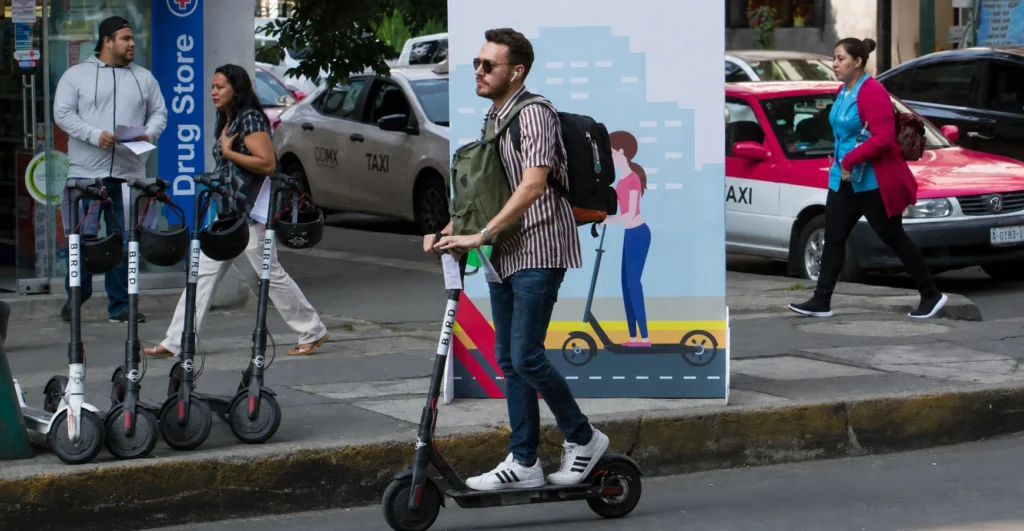
In August 2025, the Congress of Mexico City passed an amendment to the Mobility Law to respond to these growing challenges. The reform seeks to improve road safety and establish clearer traffic regulations. Consequently, riders must obtain licenses for scooters and e-bikes, carry license plates and registration cards, and follow requirements comparable to those for motorcycle riders.
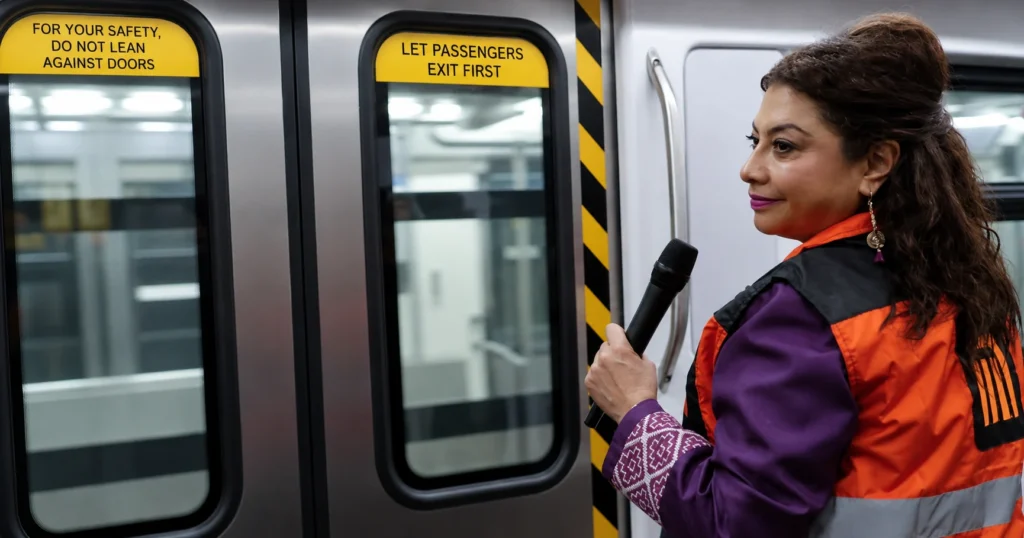
Mexico City Mayor Clara Brugada explained that this measure aims to provide legal certainty for people who ride light electric vehicles and, at the same time, reduce risks on streets and avenues. According to the proposal, the goal is not simply to impose penalties but to establish clear rules that help prevent accidents and improve safety for all road users.
The reform seeks to create a clear registration system for scooters, electric bicycles, and motorized bikes, allowing them to be more easily identified in the event of theft or accidents. Therefore, this change represents an improvement for pedestrians, cyclists, and motorists, as these vehicles will circulate through the city in a more organized and safer manner.
What Are The VEMEPE?
The new regulation introduced a specific category known as Personal Electric Motorized Vehicles [Vehículos Motorizados Eléctricos Personales (VEMEPE)] to classify specific electric mobility devices such as scooters, e-bikes, and motorized bicycles that comply with the following requirements:
- Reach speeds above 15 mph.
- Run on an electric motor.
- Feature handlebars and an accelerator.
- Weigh more than 77 lb or have at least two wheels.
This means that not every recreational scooter falls under the regulation, but models used for daily transportation on streets and avenues do.
Rules You Need to Follow
With the new rules in place, VEMEPE users are required to:
- Get the required licenses for scooters and e-bikes.
- Display license plates and carry the circulation card provided by SEMOVI.
- Obtain a technical inspection certificate confirming safe vehicle conditions.
- Wear a helmet, reflective vest, and active lights during every ride.
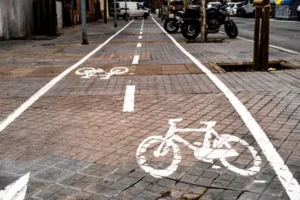
- Comply with road regulations and do not ride through bike lanes, pedestrian areas, or dedicated public transit lanes.
Failure to comply with these requirements may result in penalties of up to $2,074 MXN (approximately 118 USD).
Clasificación de los vehículos
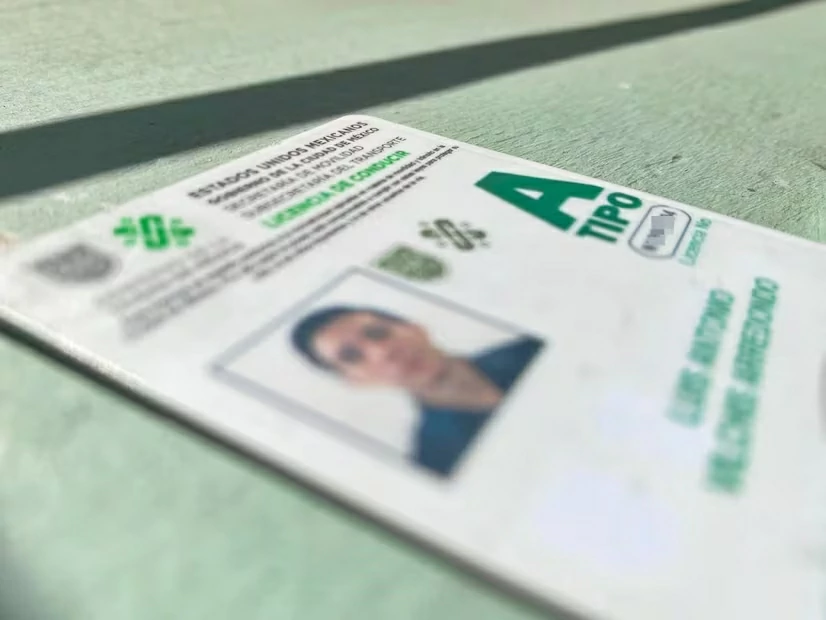
The new regulation classifies VEMEPE into two categories:
- Type A: Vehicles under 77 lb, including lightweight electric scooters.
- Type B: Vehicles ranging from 77 to 771 lb, including more powerful electric motorized bicycles.
Mexico City Mobility Department [(Secretaría de Movilidad (SEMOVI)] will establish the specific rules, fees, and requirements for each vehicle category.
Key Dates To Keep In Mind
- August 13, 2025: Approval in committees.
- August 15–18, 2025: Final vote in Congress.
- August 2026: Deadline for SEMOVI to publish guidelines and begin applying fines.
This means riders will have a one-year period to meet the requirements established by law.
What Does This Mean for Citizens?
Licensing requirements for scooters and electric bicycles are designed not to limit their use, but to improve safety and provide legal certainty for riders. With registration systems, license plates, and clearer rules, the city aims to create a more orderly environment for all road users. Ultimately, these regulations allow people to enjoy the benefits of electric mobility while contributing to safer and more orderly shared spaces.
Along with these new regulations, understanding the electric bike registration process provide a wider view of how these vehicles are being incorporated into urban mobility.
For readers interested in learning more about city mobility and bicycle infrastructure worldwide, this Uban Bikeway Design Guide is a valuable resource. The guide brings together global experiences and practical insights that can help improve cycling environments in cities like Mexico City.