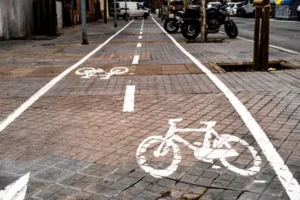

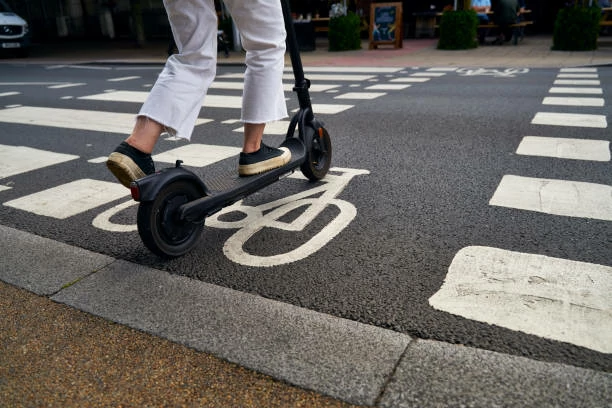
Although electric bikes and scooters are becoming increasingly common on city streets, the regulations and legal frameworks governing them still vary across jurisdiction.
In Mexico City, for example, the plan is to prevent e-bikes from using bike lanes. The reason is that many models can reach speeds above 15 mph, placing them outside the category of recreational vehicles.
Under current regulations, any vehicle that surpasses this speed limit is considered motorized. As a result, these vehicles must comply with the same traffic rules and possible penalties that apply to motorized transportation, including the requirement to carry license plates.
Vehicles that cannot exceed this speed because of their mechanical limitations, as well as those without motors, are exempt from these requirements. Nevertheless, regulations vary depending on the country. In Spain, for instance, cyclists may face fines if they violate any traffic regulations.
Back in Mexico, the city of Ensenada, Baja California, is also considering fines for cyclists who ride on bike lanes. Therefore, we recommend staying informed about your local traffic regulations to avoid penalties and remain aware of any applicable rules.

Are Electric Scooters Allowed on Bike Lanes?
The situation is similar for electric scooters, as certain models can reach speeds of up to 62 mph. Therefore, new regulations are being considered to define their classification and establish clearer mobility rules for these vehicles.
In Guadalajara, Movimiento Ciudadano council member Luis Cisneros Quirarte introduced a proposal to regulate electric scooters within the city’s mobility framework. Specifically, the initiative would modify the Municipal Mobility Regulations and eventually the State Mobility Law, allowing these vehicles to access bike lanes with a maximum speed of 15 mph.
In response, electric scooter riders and members of the Scooters GDL community supported the idea of establishing regulations for these vehicles to create safer conditions for all road users. Pablo Treviño, the movement’s spokesperson, stated: “For example, the scooter I own can reach speeds of up to 53 mph. Some models can exceed 62 mph. That does not mean we ride at those speeds, but this is one of the issues discussed here.”
“Establish a distinction between scooters that, for safety reasons, should remain exclusively on bike lanes and those that could be legally allowed to ride in traffic lanes, similar to small-engine motorcycles.”
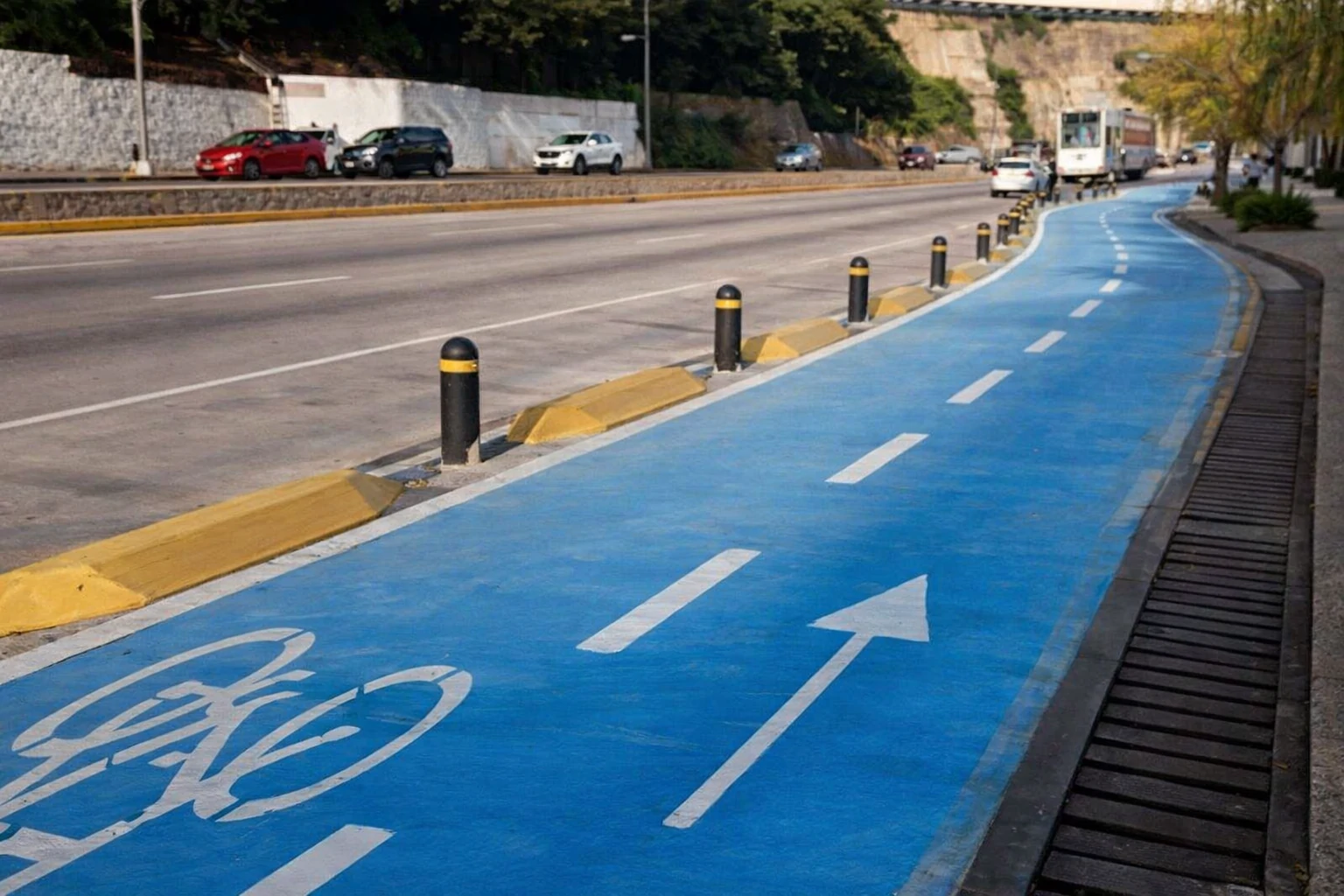
Should Electric Scooters Be Allowed on Bike Lanes or Not?
When it comes to Mexico, as of the publication date of this article, there was still no specific rule that completely required or prohibited electric scooter and e-bike users from riding on bike lanes.
On this matter, Luis Morales Cortés, Director of Traffic and Urban Mobility in Torreón, Coahuila, explained that electric scooters are not permitted on high-speed roads in this city. However, they can travel on designated cycling routes.
In this area, electric bikes and scooters are classified as recreational vehicles as well. Nevertheless, authorities recommend using them in parks, residential areas, and public spaces rather than on roads where vehicles travel at higher speeds.
Regarding this matter, Morales Cortés stated that “these vehicles do not reach 25 mph, but they exceed 15 mph, which is the speed limit associated with bicycles. They may travel through residential areas and parks, as long as they respect the safety of others (…) They can use bike lanes in any case.”