

The cyclist’s death of Elizabeth, a 36-year-old rider, on August 13 has raised concerns about road safety after she was struck by a vehicle while riding along the Toluca–Tenango highway near the borough of Mexicaltzingo. Unfortunately, she lost her life in this tragic incident, which generated strong concern and outrage among cycling communities.
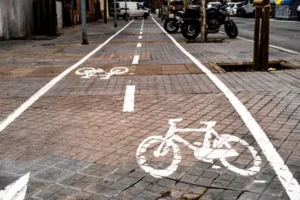
As a result, several cyclist organizations called for the development of more dedicated bike lanes and safer cycling infrastructure, emphasizing the urgent need for solutions that protect vulnerable road users and promote safer mobility.
At the time of publication, the driver of the Primero de Mayo transportation unit involved in the crash had not been arrested.
For this reason, several citizen groups advocating for cycling infrastructure, including “Bicionarias Toluca” and “Sí a la ciclovía Toluca,” called on authorities to seek justice for Elizabeth and to accelerate the development of more bike lanes throughout the state. In particular, they emphasized the need for intermunicipal cycling routes that provide safer connections between communities.
Additionally, these demands highlight the importance of investing in protected cycling infrastructure and implementing road safety solutions that allow cyclists to travel with greater security and confidence.
The implementation of these dedicated bike lanes, according to cycling organizations, would provide safer conditions for both cyclists and pedestrians.
Cycling Advocacy Groups Spoke Out about Cyclist’s Death
Moreover, cycling advocacy groups urged authorities to implement the Mobility Law and turn the creation of bike lanes connecting multiple boroughs into a reality.
Although Elizabeth was traveling on a highway, cycling was her main form of transportation. Additionally, there is an urgent need to foster a safer road culture among drivers, reminding people that every bicycle represents a person’s journey, safety, and life.
According to the latest Pedestrian and Cyclist Fatality Report in Mexico, the Toluca Valley Metropolitan Area ranks fifth nationwide in pedestrian and cyclist collisions involving fatalities.
Meanwhile, the cycling advocacy group “Sí a la ciclovía Toluca” shared its position through an official statement:
The Penalty: A Simple Removal of the Concession
Regarding the transportation company and the driver involved, the Minister of Mobility of the State of Mexico, Daniel Sibaja, announced that the concession for the vehicle responsible for the fatal crash would be revoked, along with the driver’s license.
The measure does not affect the transportation company as a whole; it only applies to the bus involved in the fatal crash (license plate A54207E) and the driver responsible for it.
Regarding the cyclist’s death, she said they will work with the State of Mexico Attorney General’s Office to locate the driver and determine liability.
The Growing Need for More Cycling Infrastructures
Following Elizabeth’s tragic loss, it is hard to believe that Toluca still strongly opposes bike lanes.
The clearest and most controversial example is the Isidro Fabela bike lane. Although the project was proposed years ago, it has not moved forward due to opposition from local merchants, who claim it will reduce sales and only benefit “a few cyclists.”
Therefore, it is unbelievable that authorities remain indifferent to cyclists´death. Even worse, when these bike lanes are built, they often lack the necessary features for cyclists or do not receive proper maintenance and security measures.
The solution does not come from simply revoking a bus concession. Instead, it requires hiring better-trained drivers, promoting a stronger road safety culture, and, above all, developing more properly planned and implemented bike lanes.