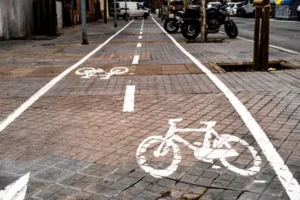

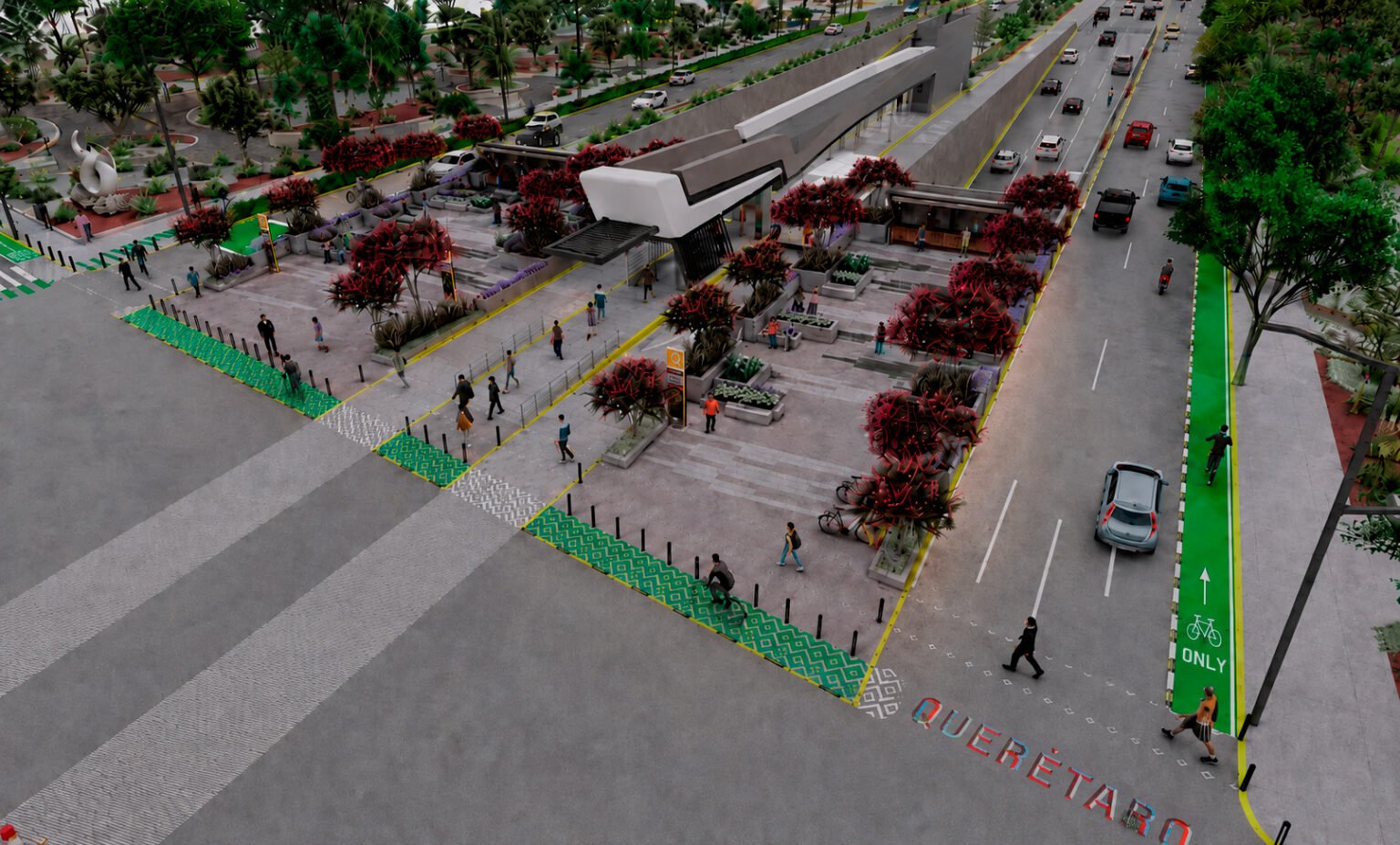
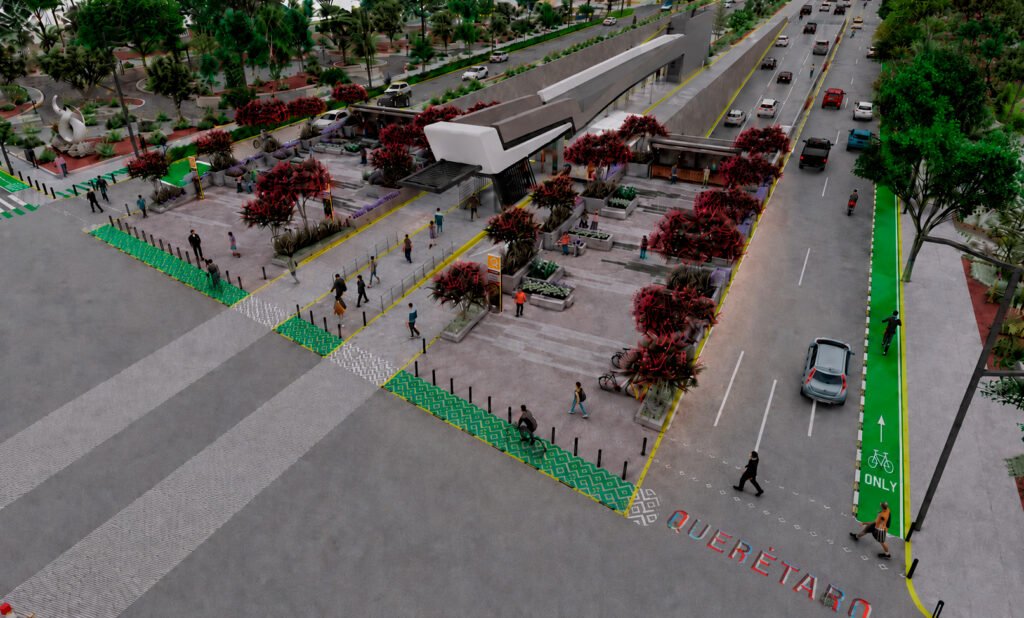
The expansion of cycling infrastructure is always a reason for recognition, no matter the city, state, or country. This is the case with the Paseo 5 de Febrero bike lanes in Querétaro. Nevertheless, creating a large network of cycling routes means little if these spaces do not fulfill their main purpose: protecting cyclists and improving road safety.
According to local media reports in Querétaro, the State Public Works Department announced that the bike lane development project has reached an impressive 98% completion rate. Moreover, this achievement should be recognized, as it reflects the state’s strong commitment to expanding cycling infrastructure and promoting safer mobility.
To provide a different perspective on this figure, Sergio Olvera León, coordinator of the Querétaro Mobility Observatory, stated in a press release that the current bike lane infrastructure along Paseo 5 de Febrero does not include any type of protection designed to improve cyclist safety.
According to Olvera’s statement, the only safety devices currently installed on these cycling corridors are lane separators. However, their size and design do not provide adequate protection in the event of collisions.
Furthermore, he states that the Paseo 5 de Febrero bike lanes feature the traditional green pavement marking for cycling spaces. Nevertheless, the infrastructure does not include the required protective barriers or comply with international standards.
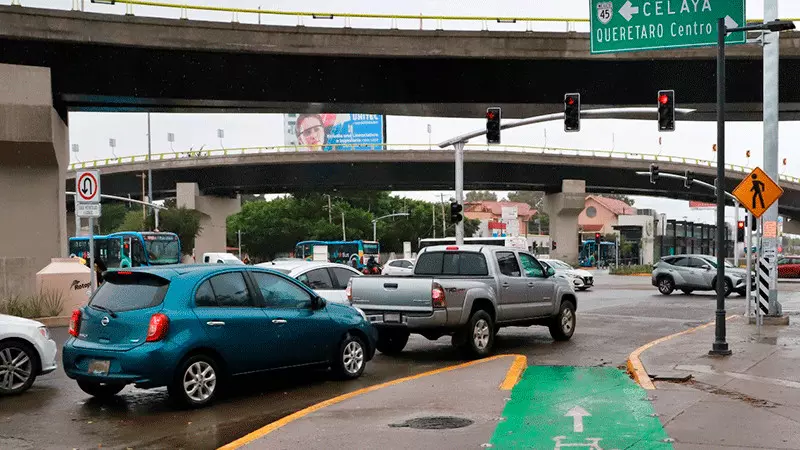
Disregard for Bike Lanes on Paseo 5 de Febrero
The coordinator pointed out that the absence of traffic barriers has led many drivers to use sections of the bike lanes as vehicle parking areas.
Furthermore, the cycling route lacks any type of speed hump, which increases the likelihood of traffic collisions involving motor vehicles.
“At specific locations, including the Río Ayutla crossing and the access point toward Epigmenio González, there are no speed-calming measures to slow down vehicles, increasing the risk faced by cyclists,” the statement explains.
Furthermore, the civil association representative explained that, despite the joint site visits conducted with personnel from the Urban Development and Public Works Department and the recommendations provided, the proposed actions have yet to be adopted.
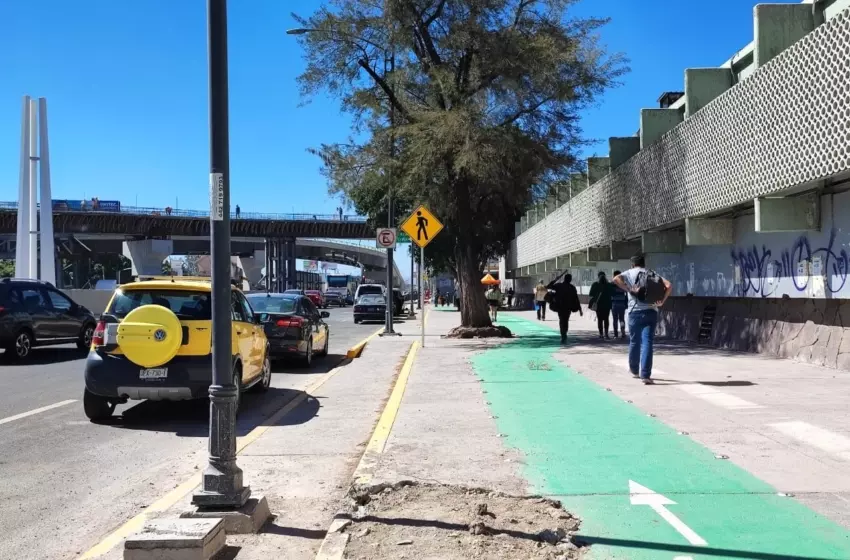
How to Design Safe Cycling Infrastructure?
After completing the required studies that confirm the viability of a bike lane project, the route must be properly protected or clearly marked, depending on the type of cycle track being created.
Cyclist safety should always be the main priority of a bike lane. Therefore, the most effective way to protect riders is by installing physical barriers, including traffic delineators and lane separators, which create a clear separation between motor vehicles and bicycles.
Moreover, several traffic devices can be installed to create safer cycling spaces, are Kayak Channelizers, Reboundable Channelizing Vertical Panels, lane separators, and others. In addition, these solutions should be complemented with speed bumps to help protect pedestrians and encourage safer vehicle speeds.