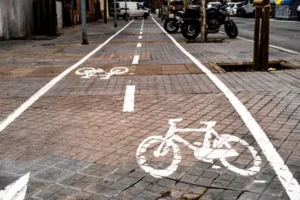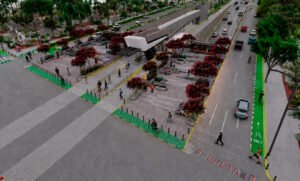

The bicycle has become one of the most efficient means of transportation for modern cities. Not only does it reduce traffic and pollution, but it also promotes a healthier and more accessible lifestyle for millions of people. In this context, cycling infrastructure has taken center stage by transforming avenues, waterfronts, and urban spaces into safe routes that protect cyclists’ lives while also improving coexistence with other vehicles.
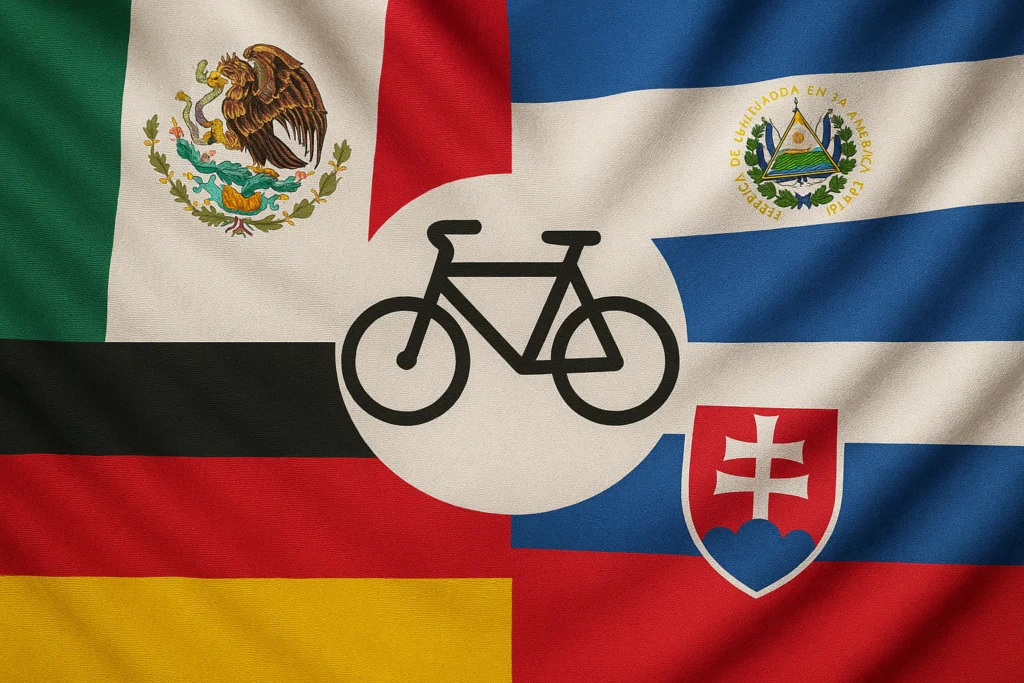
Inspiring bicycle mobility means creating reliable, connected, and well‑defined spaces. To achieve this, many cities in Mexico and around the world have invested in innovative projects that not only encourage cycling, but also become international benchmarks thanks to their design and functionality.
Far from being simple infrastructure projects, these initiatives illustrate the transformative potential of cycling infrastructure. They show how a single bike lane can improve quality of life for thousands of residents while setting a benchmark for other cities. Moreover, their influence reaches beyond transportation, contributing to tourism, public safety, and stronger community ties.
The following examples represent some of the most influential projects that have marked a turning point in the evolution of cycling mobility. More importantly, they demonstrate how innovative bike lane initiatives can transform urban spaces and inspire more sustainable approaches to transportation across cities worldwide.
Coatzacoalcos, Veracruz: Bike Lane Along The Waterfront Promenade
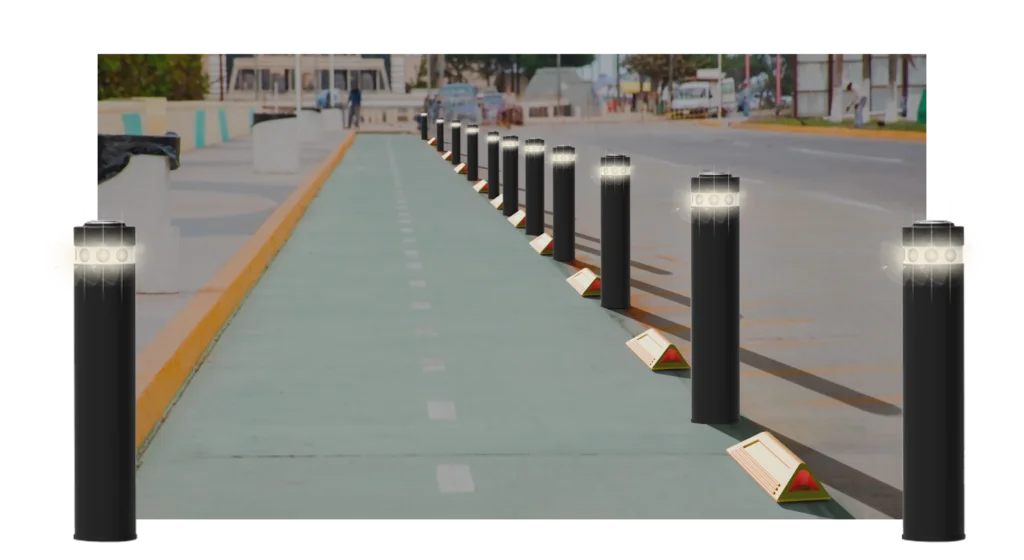
In 2023, a waterfront bike lane was inaugurated in Coatzacoalcos, creating a safer and more attractive corridor for cyclists and visitors alike. With a 2‑kilometer extension, this route takes advantage of the coastal scenery and at the same time improves safety through solar-powered bollards that light up the path at night. Furthermore, the combination of wave-inspired architecture and road safety enhancements has established the corridor as a benchmark for tourism and sustainable mobility.
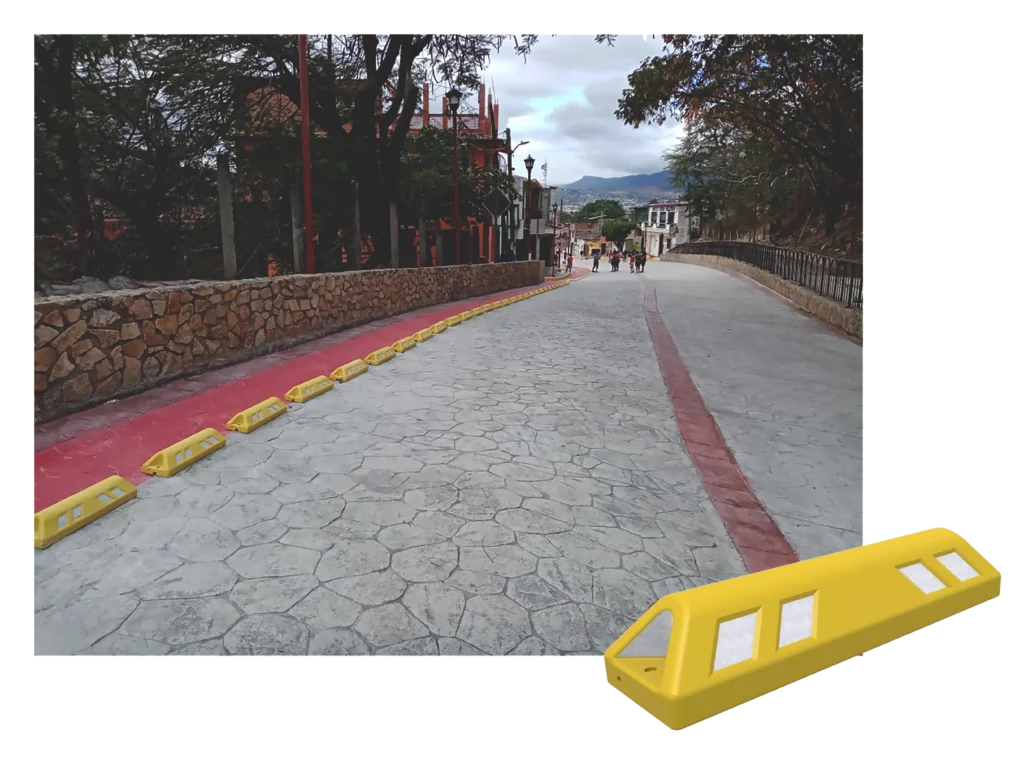
Chiapa de Corzo: Revitalization With a Tourism Focus
In 2021, the 2‑kilometer bike lane was upgraded through the initiative “Streets Worthy of Safety and Quality.” The intervention included hydraulic pavement, signage, and lighting, converting a deteriorated area into a safe and inviting urban corridor. To strengthen protection for cyclists and pedestrians, the 21st.-Century Parking Stop, slowing vehicles at critical intersections and fostering safer interaction with traffic.
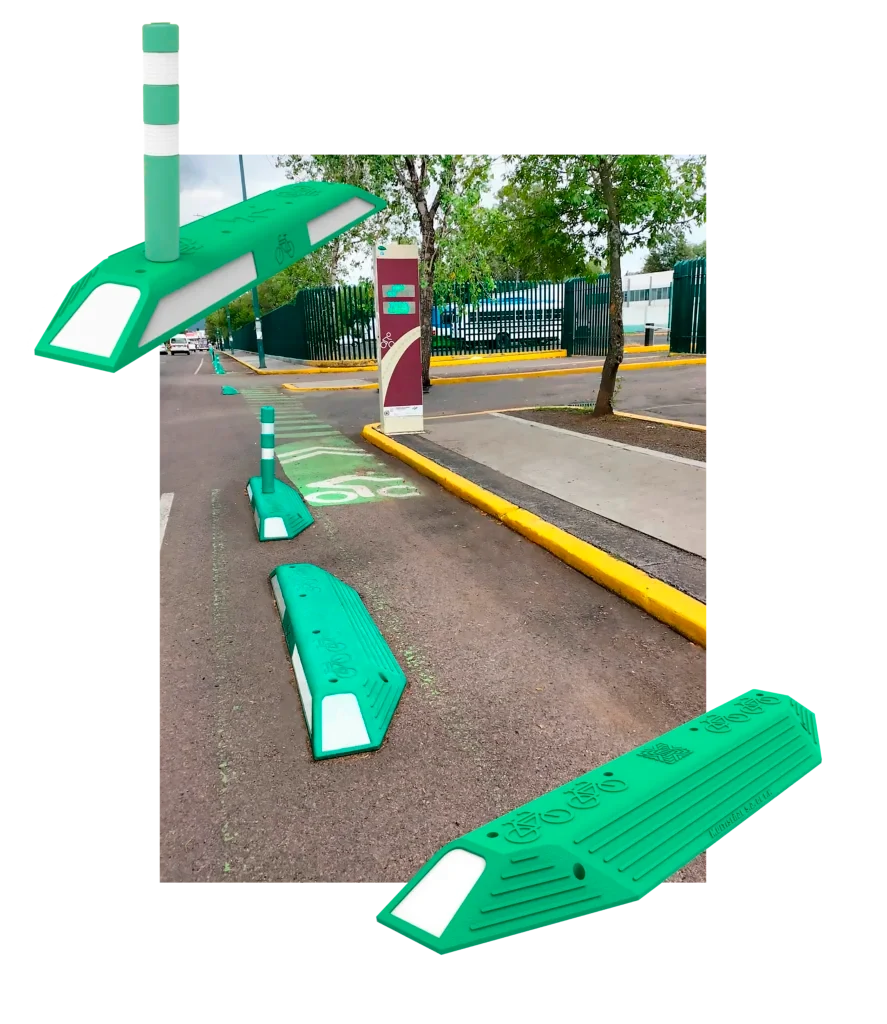
Morelia, Michoacán: Safety For Students
The 1.5‑mile bike lane on Francisco J. Múgica Avenue provides a safe connection to the Universidad Michoacana de San Nicolás de Hidalgo. By using the H7 Bike Lane Delineator and digital counters that monitor cycling flow, this project enables continuous improvements to cycling infrastructure. Moreover, it directly addresses the needs of students and nearby residents, reinforcing urban mobility and safety.
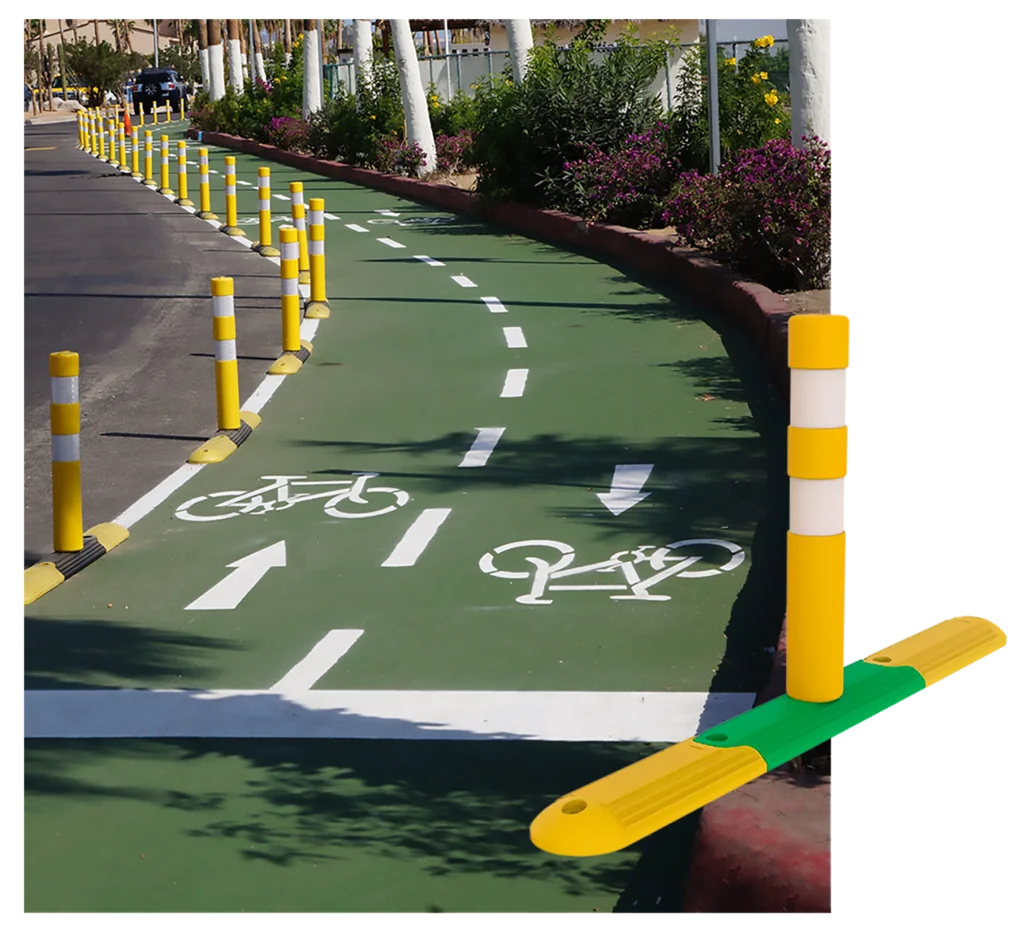
San José del Cabo, Baja California Sur: A Long Term Plan
Since 2018, this city has developed more than 3 miles of bike lanes that connect tourist and residential areas. Its goal toward 2040 is to achieve full interconnection with public transport and roadways for non‑motorized mobility. Additionally, the use of 51C-3 Lane Separators With Delineator Post has been key to defining long stretches and providing safety along routes with high pedestrian and vehicle traffic.
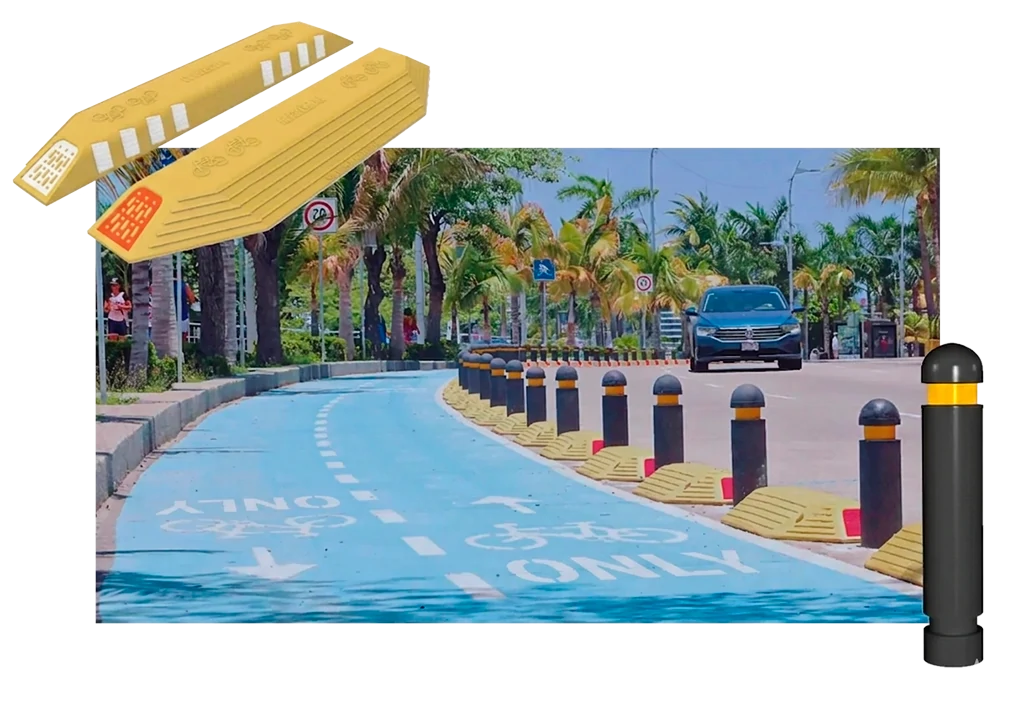
Acapulco, Guerrero: An Iconic Coastal Bike Lane
Located on Avenida Costera Miguel Alemán, this just over half a mile bike lane was inaugurated in 2018 to connect beaches, hotels, and the Historic District. The use of H7 Bike Lane Delineator and PF-70 Fixed Bollards provides maximum protection along one of the city’s busiest avenues. Moreover, application of yellow thermoplastic paint ensures visibility even under extreme weather conditions, reinforcing safety and reliability for cyclists and pedestrians alike.
Guadalajara, Jalisco: Javier Mina Route
Guadalajara stands out as a leading example of cycling infrastructure, with more than 62 miles of segregated bike lanes. In 2023, it inaugurated the Javier Mina bike lane, one of the longest in the municipality, stretching 4 miles. This corridor incorporates deterrent elements such as the H7 Bike Lane Delineator and Ecoflex® Solar-Powered Delineator Post, ensuring safety in high‑traffic areas and strengthening urban connectivity.
Mexico City: Paseo de la Reforma Avenue
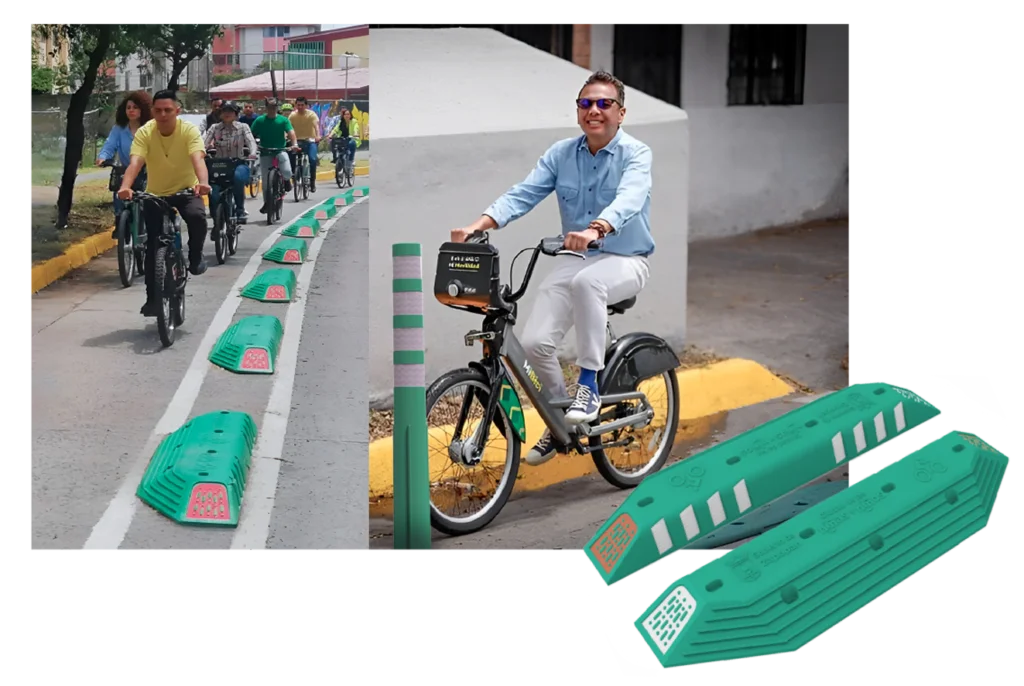
Mexico City has established itself as a leader in cycling mobility, with Paseo de la Reforma hosting one of its most iconic bike lanes. Measuring 3.7 miles and reinforced with H7 Bike Lane Delineators, the route has played a vital role in encouraging cycling across the city’s financial and tourist district. The 2018 upgrade, marked by striking green paint, elevated it to the status of a symbol of urban identity.
Metropolitan Bike Lane: Connection Between the State of Mexico and Mexico City
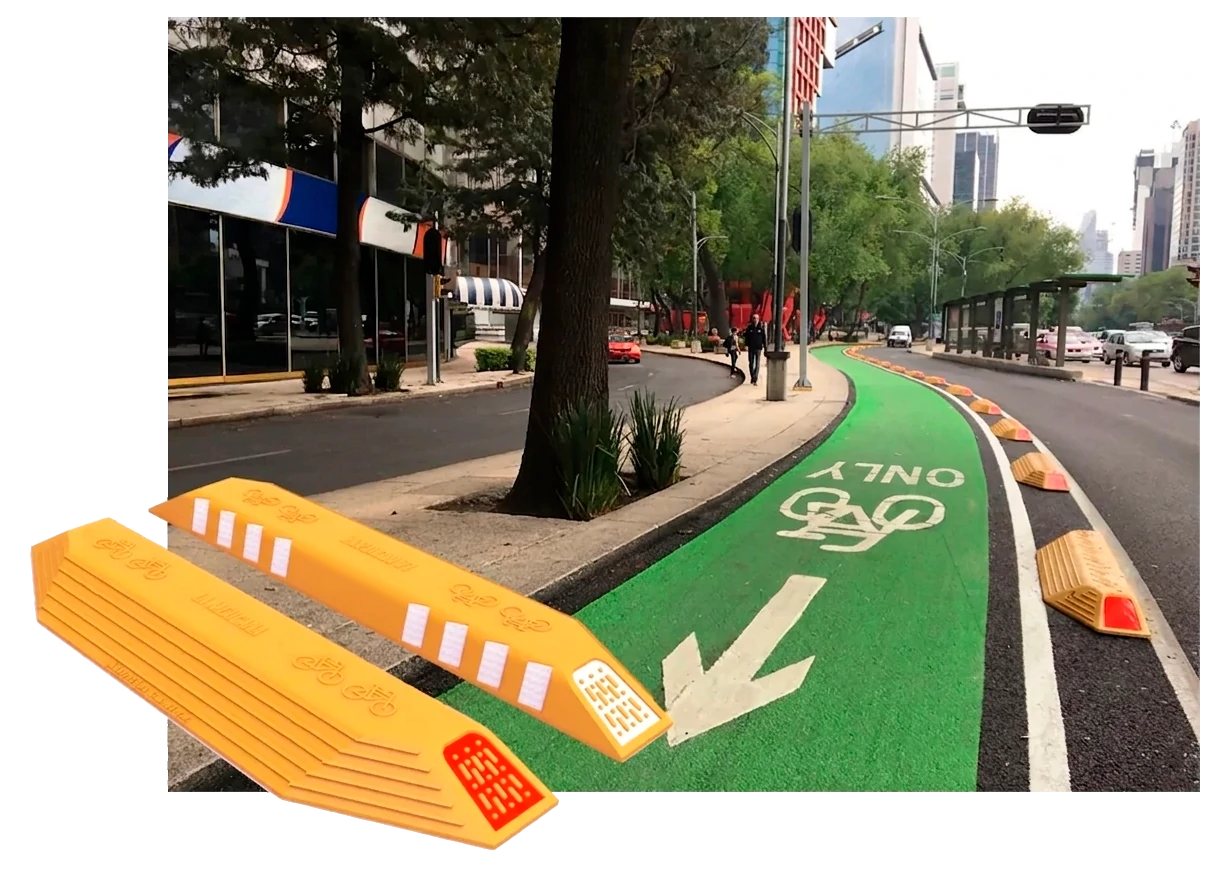
This 7-mile project connects the urban areas of Naucalpan and Azcapotzalco and stands out for its adaptable design across medians and shared lanes. The 770 Street Sign and the 25 Road Stud complement the H7 Bike Lane Delineators, providing safety both during the day and at night. Since its inauguration in 2023, the corridor has strengthened intermodality with the metro system, benefiting thousands of daily users and consolidating cycling infrastructure as a reliable urban mobility solution.
Santa Tecla, El Salvador: Emerging Bike Lanes on Narrow Streets
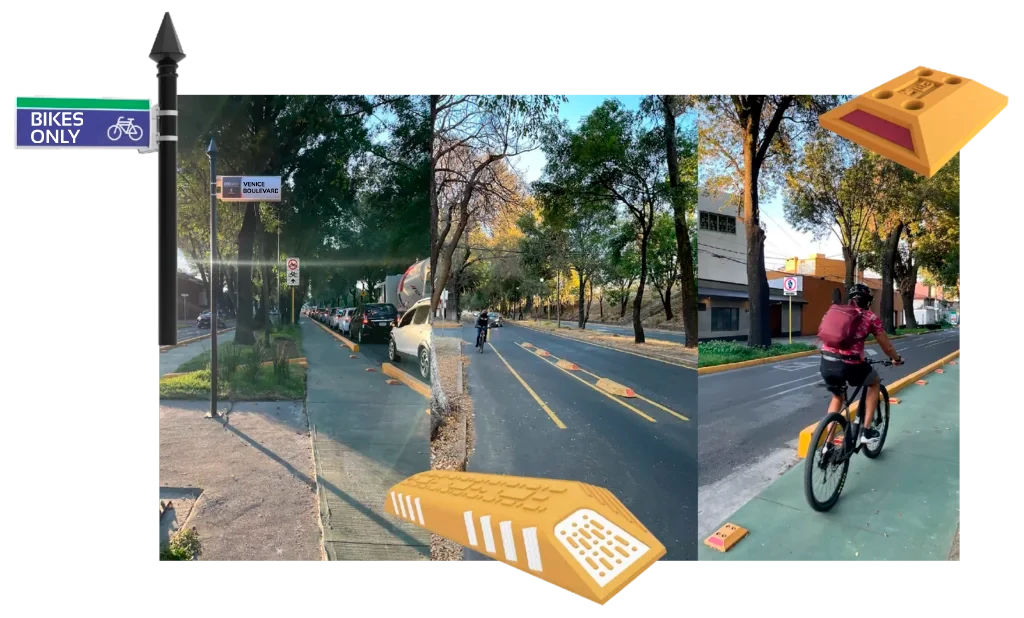
In Central America, Santa Tecla became a testing ground for new bike lanes, experimenting with separators on narrow streets. Stretching 581 meters and equipped with elements such as the Brio 1000 Reboundable Delineator Post and the 81 Lane Separator, this cycling corridor links parks and markets, offering a replicable model for cities with limited space. Moreover, this approach illustrates how innovation in cycling infrastructure can adapt to urban constraints while enhancing safety and accessibility.
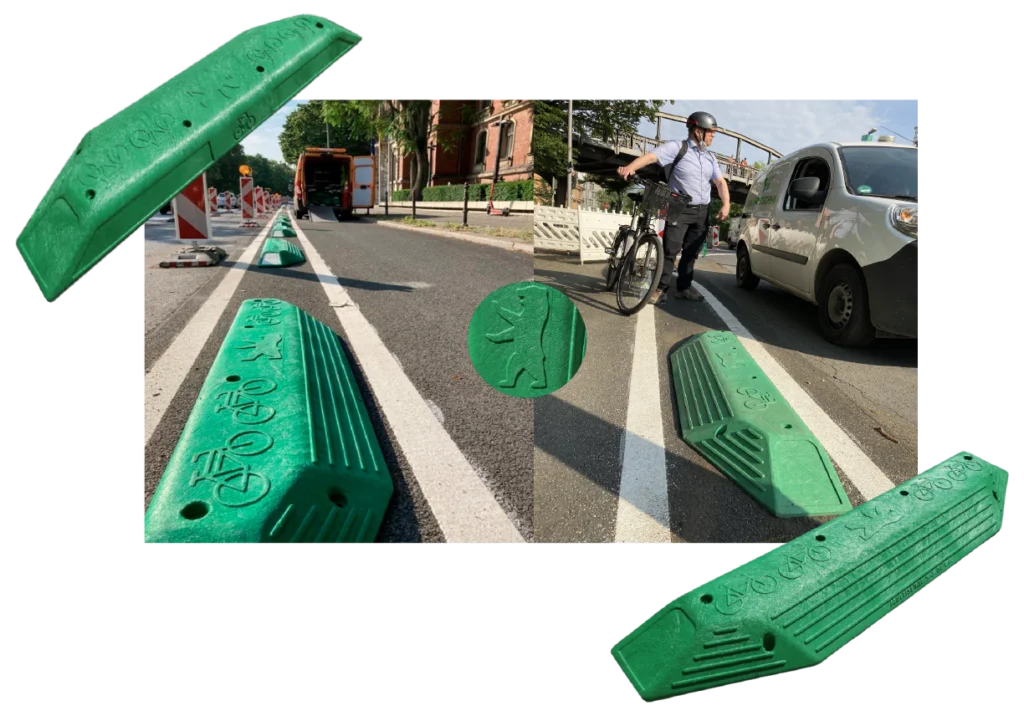
Berlín, Alemania: Exporting Mexican Innovation
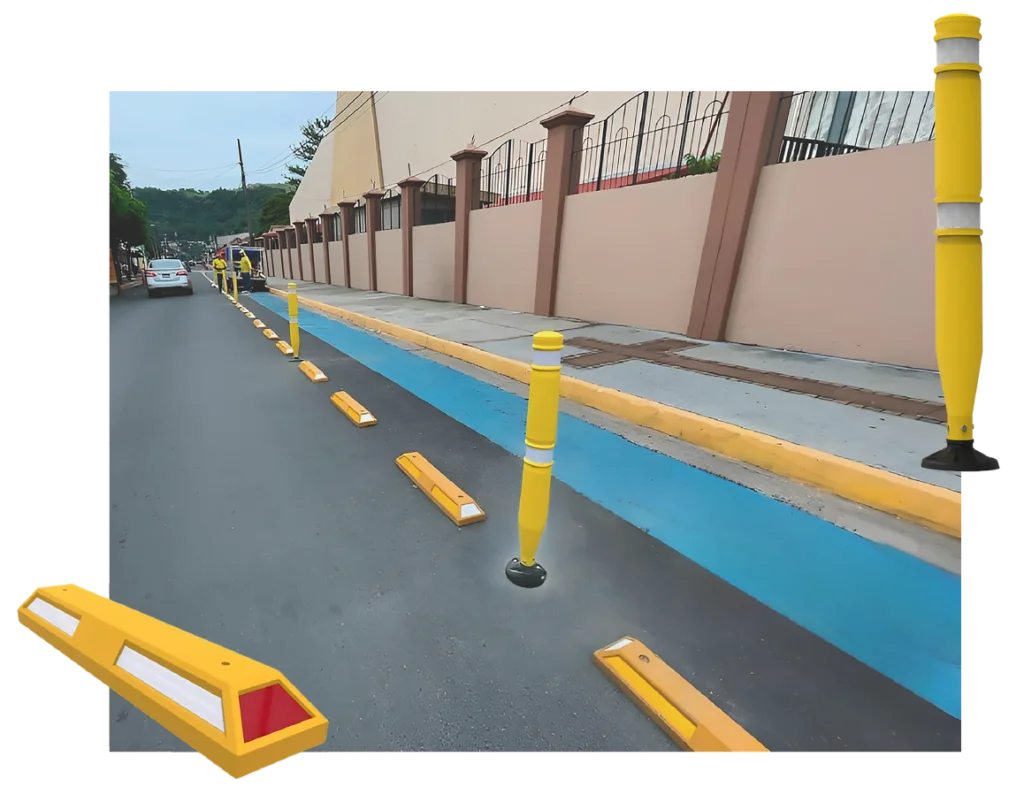
Berlin’s Friedrichshain‑Kreuzberg district implemented the H7 Bike Lane Delineator from Mexico in 2020 for the developing bike lane network. After proving successful, the device was installed along 2.2 miles of the Landwehr Canal and earned the nickname “quesadilla” among locals, quickly gaining traction across Europe. This case demonstrates how Mexican design in cycling infrastructure can inspire global projects, advancing innovation and international collaboration in sustainable mobility.
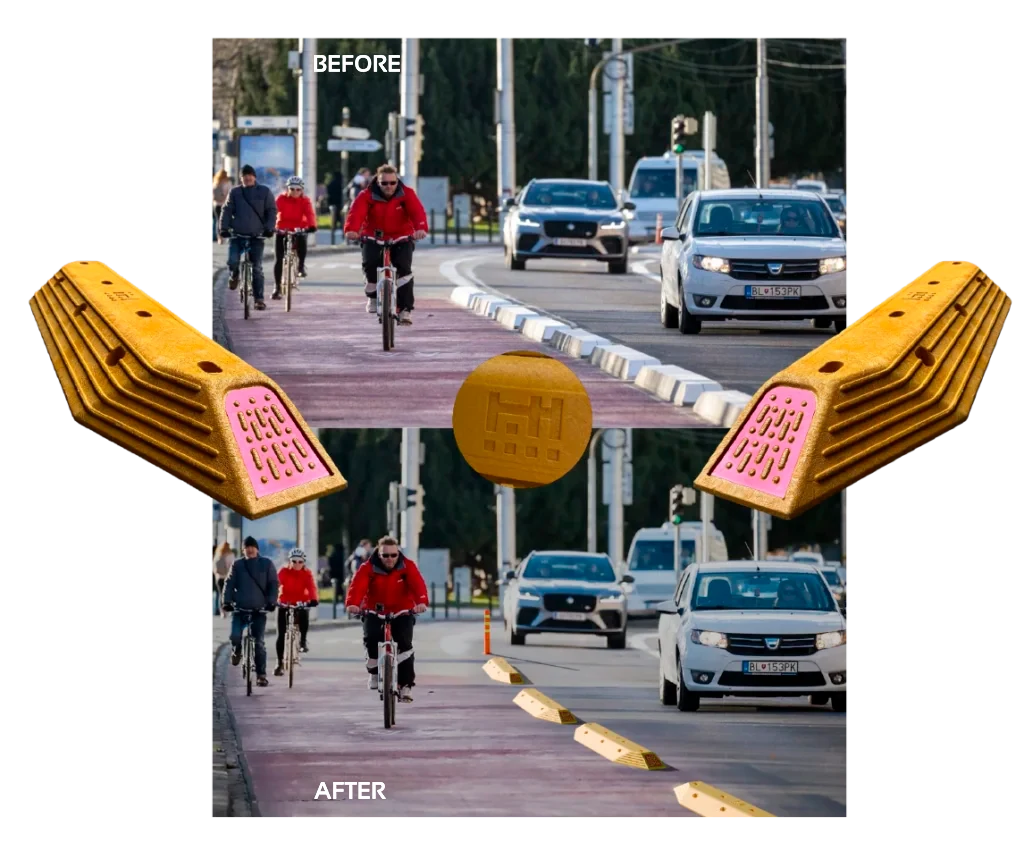
Bratislava, Eslovaquia: Modern‑Vision Bike Lane Renewal
In 2025, Bratislava announced a comprehensive transformation of the bike lane on Vajanského nábrežie. The old concrete separators were replaced with high-strength polymer H7 Bike Lane Delineators, which are safer and more flexible, featuring beveled edges and reflective elements that protect cyclists and vehicles in case of impact. This redesign optimizes traffic flow and facilitates coexistence among users, positioning Bratislava as a model for modern cycling infrastructure in Europe.
The new lane separators were strategically installed to widen the roadway without compromising cycling space. The bike lane, which records more than 40,000 crossings per month, also received adjustments in horizontal signage to provide greater clarity along the route. With these improvements, Bratislava reinforces its commitment to safer and more sustainable urban mobility, setting a benchmark for modern European cycling infrastructure.
More than a success story, these bike lanes are a legacy
These cases showcase how effective cycling infrastructure can transform urban life: it boosts road safety, advances the most accessible and sustainable mobility option, and elevates the everyday urban experience. With safety features, clear signage, and user‑friendly layouts, bike lanes evolve beyond simple corridors, turning into city assets that encourage healthier, better‑connected communities.
In addition, sustainable mobility initiatives foster cleaner transport, deliver environmental benefits, and advance energy efficiency in everyday travel. Such projects not only mitigate risks but also support better‑organized and healthier urban settings for millions of people.
To learn more about these projects and the data behind them, explore this book dedicated to bike lanes and discover the infrastructure solutions being implemented in leading mobility projects worldwide implemented in leading mobility projects worldwide.