

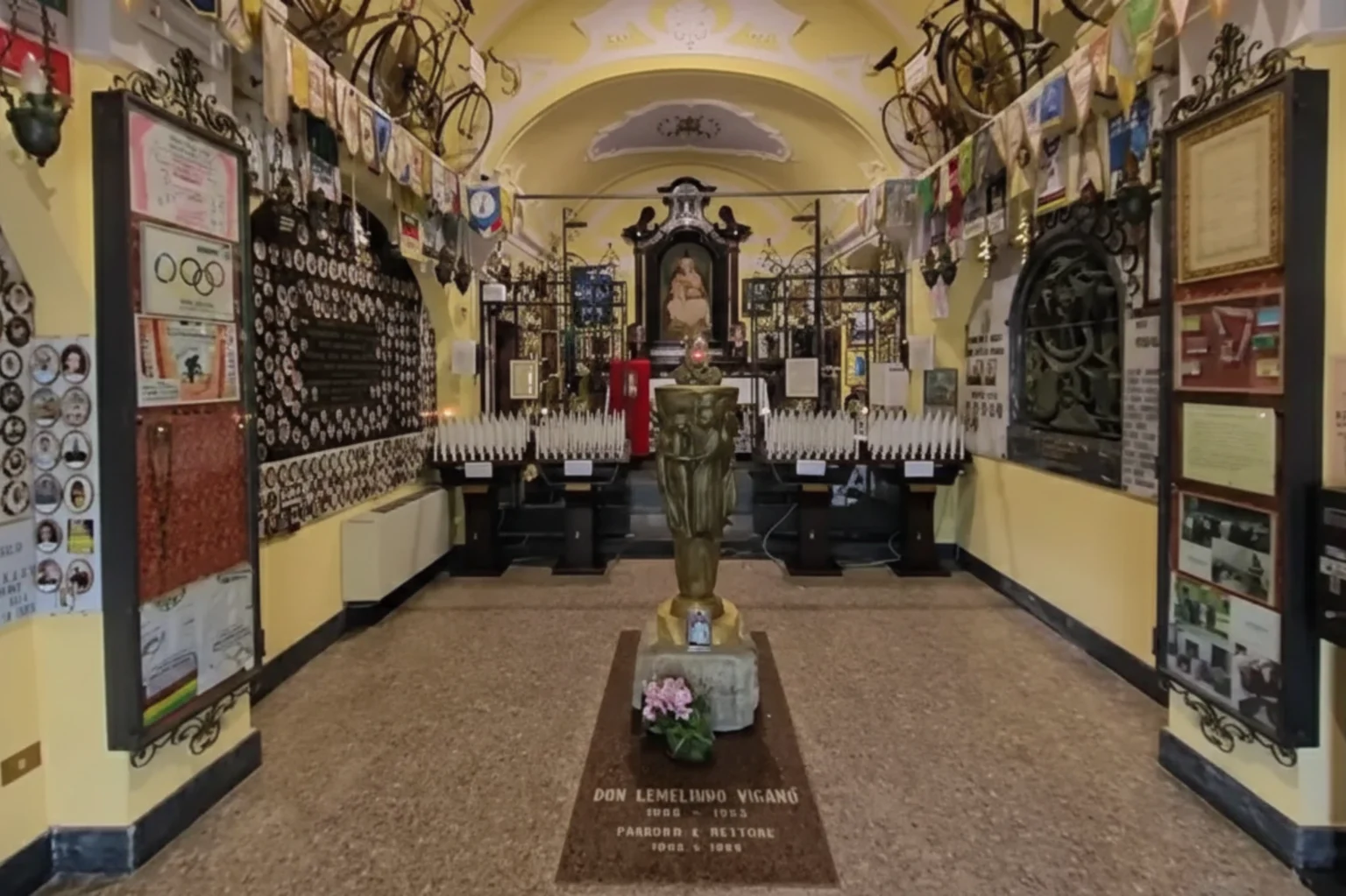
High on a hill overlooking Lake Como, in Italy’s Lombardy region, stands a unique place that has connected the history of sport with cycling heritage for decades: the Cycling Church, officially known as the Sanctuary of the Madonna del Ghisallo. Thus, it appears to be a small rural chapel, but inside it houses one of the most valuable and surprising collections dedicated to the world of cycling.
Within the sanctuary, legendary bicycles, photographs, and objects from cycling champions create a unique space. Moreover, it preserves cycling heritage and connects generations through a shared passion. In addition, visitors can explore its origins and understand why it remains a symbol of unity. As a result, the sanctuary inspires riders worldwide and celebrates the sport’s history.
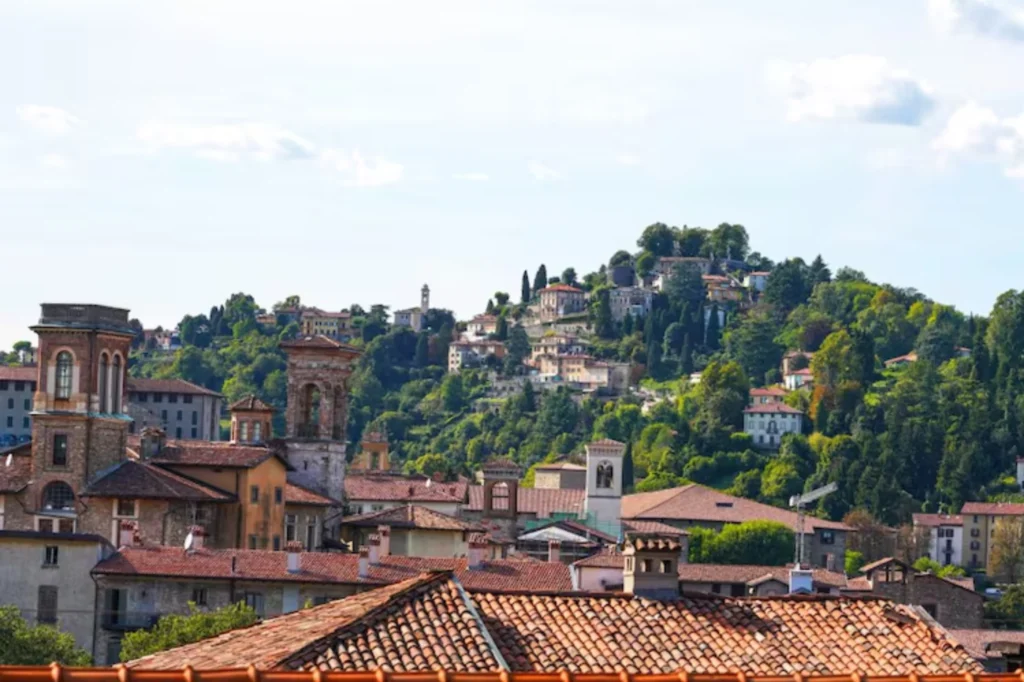
From Chapel to Cycling Sanctuary: The Origins and Transformation
The origins of the Ghisallo Sanctuary date back to the 17th century, when the inhabitants of Magreglio worshiped the Madonna del Ghisallo as the protector of travelers crossing the mountains in the area. Therefore, this tradition expanded to cyclists, who began to see her as a symbolic figure capable of watching over them on the most demanding routes.
Decades later, Father Don Ermelindo Viganò proposed that the Madonna be officially declared the patron saint of cyclists, a recognition granted by Pope Pius XII in 1949. Since then, every ascent to Ghisallo has become an almost ceremonial pilgrimage. Reaching the chapel represents a renewed connection between effort, faith, and admiration for the figures who helped transform cycling into a cultural and sporting legacy.
From then on, the hill of Magreglio became a destination for visitors from all over the world. Moreover, professional riders and cycling enthusiasts alike came to the sanctuary to pay their respects, celebrate their achievements, or simply take part in a tradition that has stood the test of time.
A Museum Within the Walls of a Church
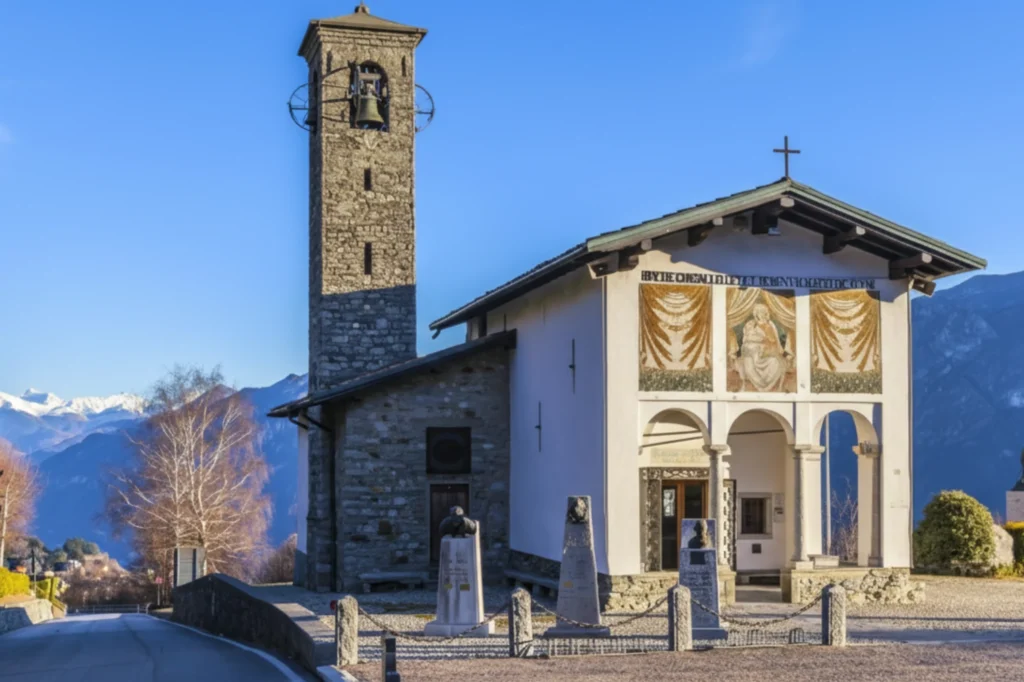
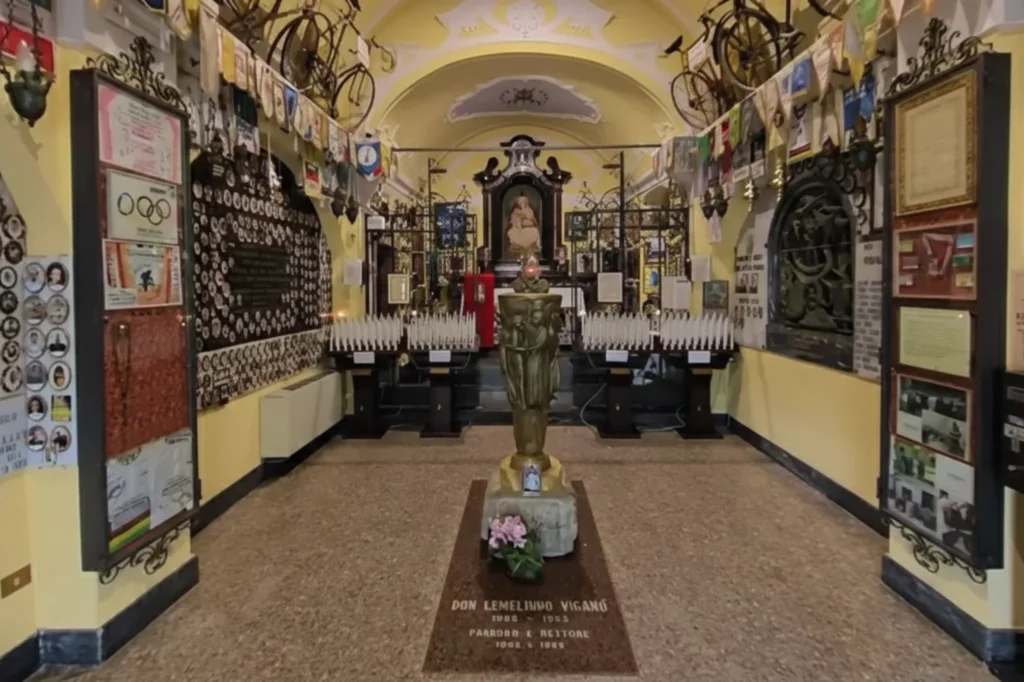
The Cycling Church is more than a religious site. It is also a living museum where every corner tells a story. Its walls display signed jerseys, trophies, and bicycles that once belonged to legends such as Gino Bartali, Fausto Coppi, Eddy Merckx, and Marco Pantani. Some still bear the marks of competition from iconic events such as the Tour de France and the Giro d’Italia, reminding visitors that behind every victory lies sacrifice, strategy, and determination.
The atmosphere inside the sanctuary conveys a symbolic power that goes beyond the objects it houses. Thus, the walls bring together photographs of cyclists, team pennants, black-and-white portraits, and plaques bearing names that evoke achievements and memories. Each element seems to tell a different story, yet they all share the same purpose: to honor those who have been part of cycling history.
Surrounded by hanging emblems, this space maintains its solemn atmosphere while revealing the close bond between faith and sport. Here, human effort and devotion meet on a single journey, turning Ghisallo into a place where the memory and legacy of cycling remain alive and tangible.
The Ghisallo Setting
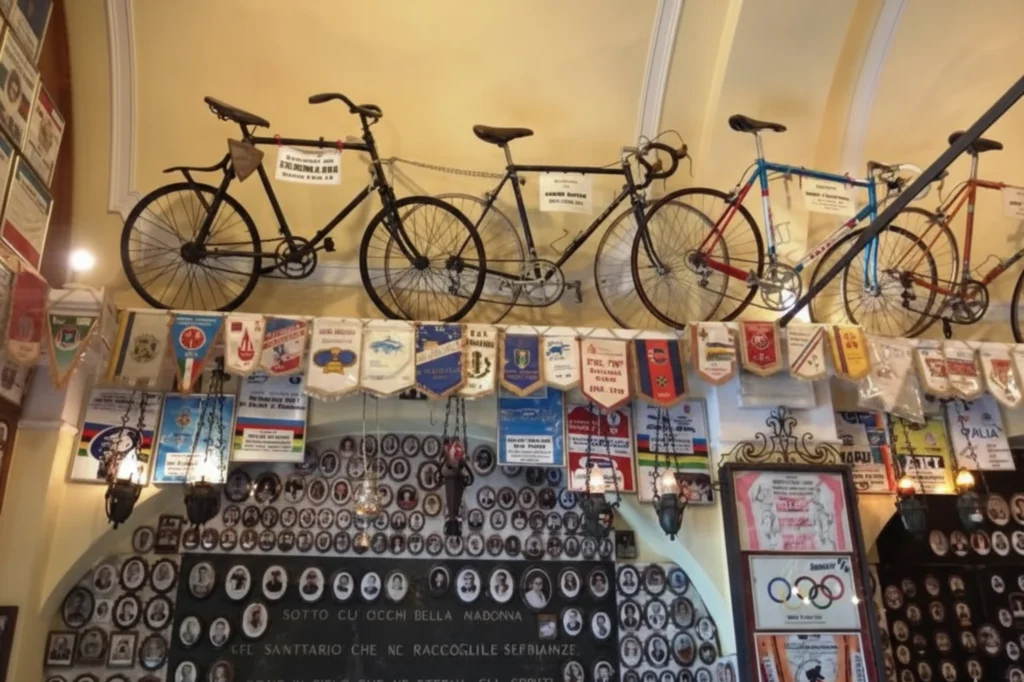
Nestled in the Lombardy hills near Lake Como, the sanctuary sits along roads made famous by the Giro di Lombardia, one of cycling’s most prestigious races. The ascent to Ghisallo, with sweeping curves and spectacular views, has become a classic climb that attracts cyclists from Italy and around the world.
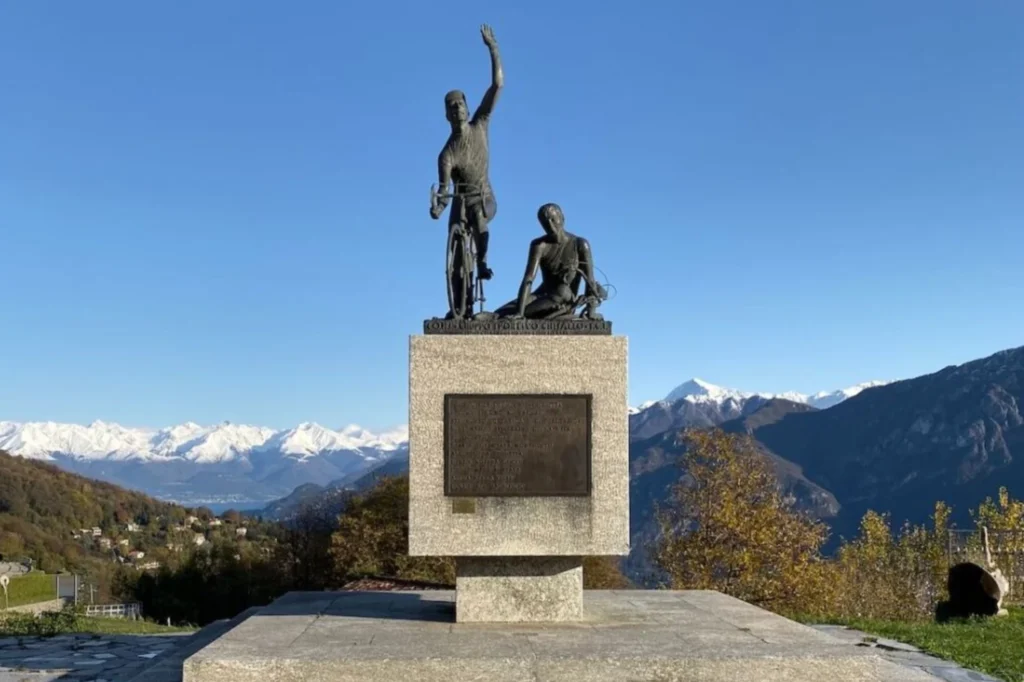
At the top of the climb, just outside the sanctuary, a bronze monument honors the spirit of cycling through two riders—one still pedaling, the other resting. This, together symbolize both the determination and the vulnerability that define the sport. Behind the monument, a viewpoint opens onto sweeping vistas of Lake Como and the Alps, rewarding visitors with one of the most memorable landscapes in northern Italy.
The landscape surrounding Magreglio seamlessly combines natural beauty, local tradition, and modern life. In addition, winding roads, dense forests, and centuries-old stone villages make every ride feel like a journey through an open-air museum, where each turn reflects a chapter in the history of Italian cycling.
A Gathering Place for Cyclists
Each year, thousands of cyclists from around the world journey to Ghisallo. Moreover, some arrive as pilgrims, others in search of the legendary climb that has inspired generations of riders. The road to the sanctuary is woven into both professional racing and recreational cycling, turning every ascent into more than just a ride—it is a tribute to the history, tradition, and spirit of cycling.
During major races such as the Giro di Lombardia, the area fills with fans cheering as cyclists climb toward the summit. For many riders, reaching the Cycling Church is more than a physical challenge; it is an opportunity to connect with the legacy of those who rode these roads before them.
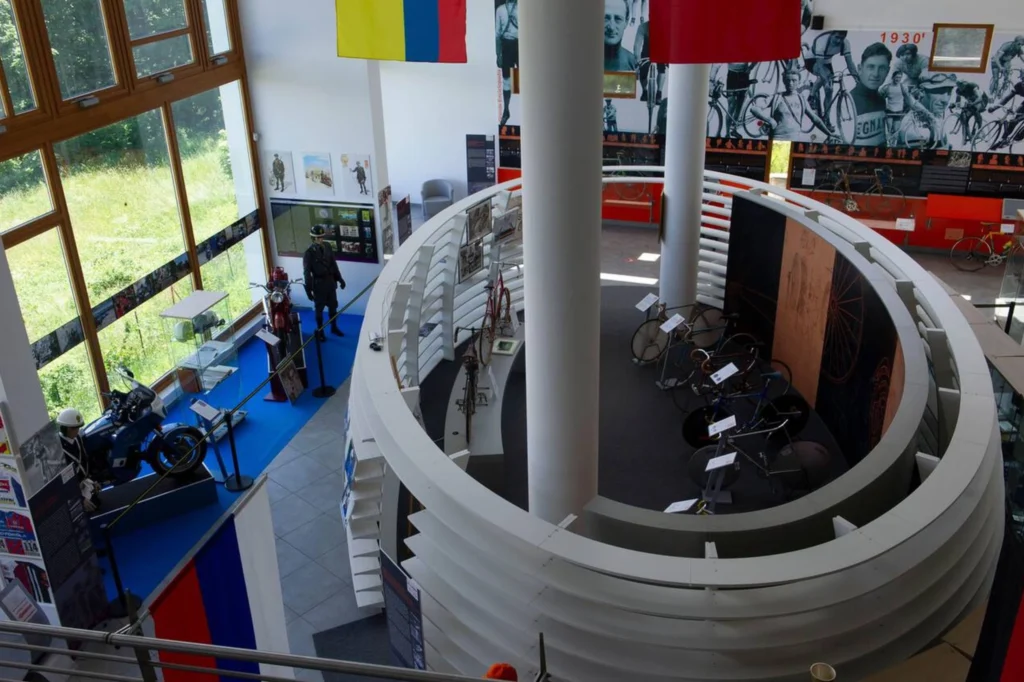
A visit to the sanctuary often includes a tour of the modern museum. Visitors can see bicycles ridden by legendary champions, memorabilia donated by today’s cyclists, and photographs showcasing more than a century of cycling history.
A Legacy Beyond Generations
The Cycling Church in Ghisallo is more than bicycles and memorabilia; it preserves the traditions and stories that have shaped cycling. Each artifact highlights the people behind the sport, while the sanctuary stands as a cultural landmark where faith, history, and cycling meet. As a result, it celebrates the spirit of cycling and connects the past with the present, offering visitors insight into its shared cultural legacy.
For many visitors, a journey to this place reveals how cycling has grown from a simple means of transportation into a powerful symbol of identity and community. More than a church, Ghisallo has become a gathering place where the achievements, dedication, and passion of cyclists from this Italian region are honored and celebrated.
A Symbol That Endures
In short, the Cycling Church is a unique meeting place where cycling’s history meets the modern spirit of the sport. It preserves more than stories and memorabilia; it keeps alive a tradition passed down through generations and its cultural significance. Visiting Ghisallo deepens the understanding of how cycling became part of Europe’s heritage and why its legacy still inspires respect.
This cultural connection can also be seen through different forms of expression. If you enjoyed this topic, discover how bicycle tattoos reflect personal identity and experiences or how BMX brings together freedom and technique in modern cycling. Both examples highlight how the spirit of cycling continues to thrive as a shared expression of identity and community.