
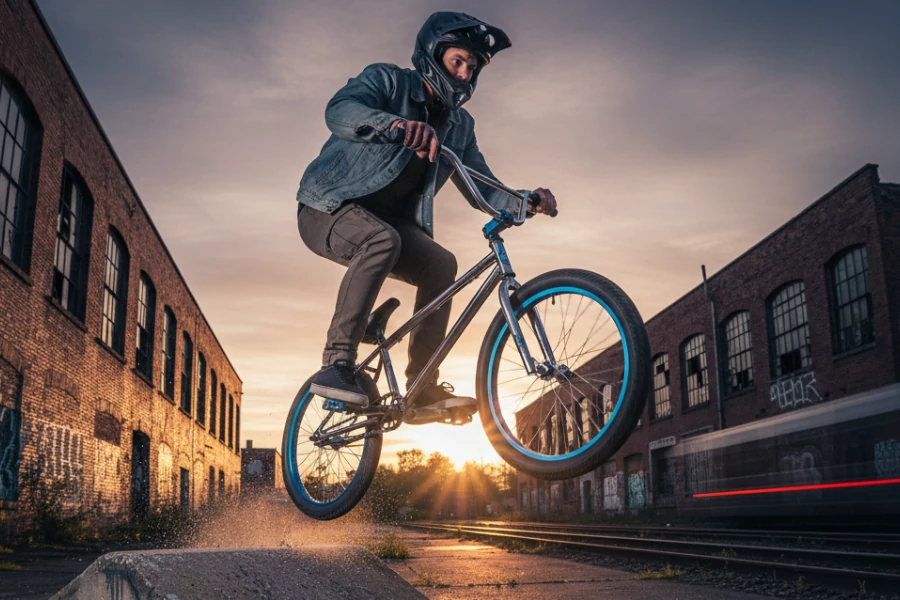
BMX is one of the most exciting ways to experience cycling. Whether you ride for fun, training, or competition, the sport brings adrenaline and creativity to every session. Today, the sport has grown into a global phenomenon, inspiring millions of riders around the world.
If you have ever seen someone flying over a ramp on a bike or racing through tracks filled with turns, jumps, and obstacles, you have witnessed a sport that combines adrenaline, skill, and creativity. Over the years, BMX has inspired riders of all ages, growing beyond competition to become a way of life. In this article, you will discover the origins of BMX, how it developed, and why more people are choosing to ride this exciting sport.
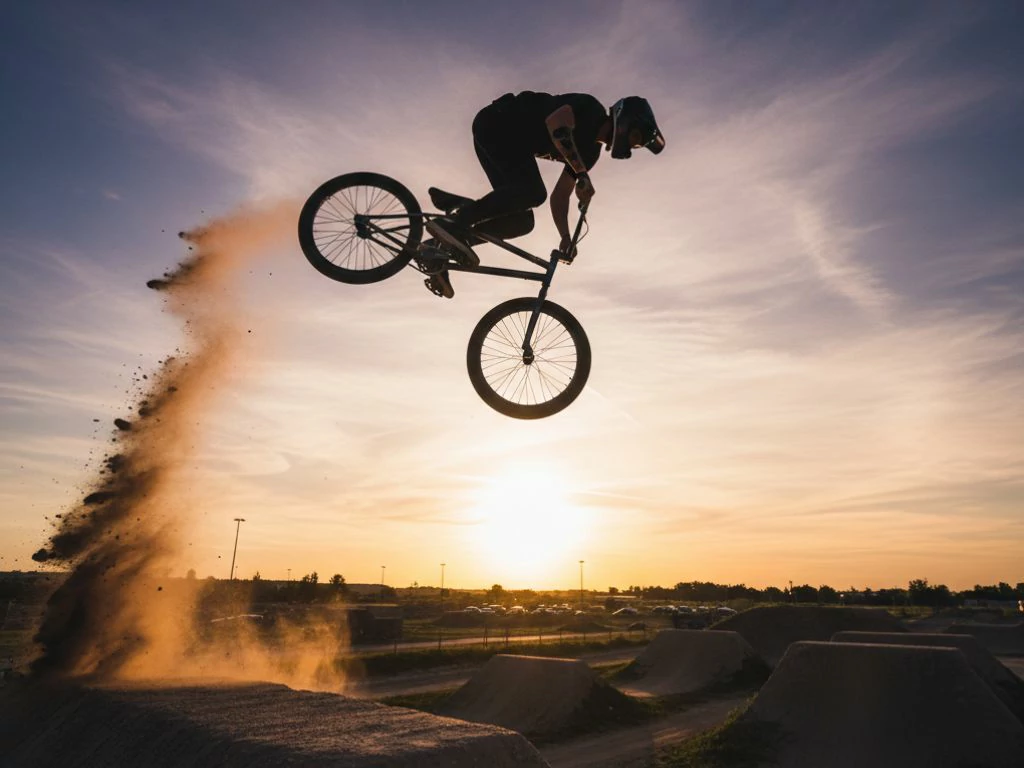
An Adrenaline-Packed Sport
The term BMX stands for Bicycle Motocross, meaning “motocross on a bicycle.” The sport originated as an affordable alternative to motorcycle racing when young riders began recreating motocross competitions on small, sturdy bicycles. Over time, it developed from a simple pastime into a recognized cycling discipline with its own rules, tracks, and official competitions. Today, BMX has a global presence, from local bike parks and dirt tracks to the Olympic Games.
How BMX Was Born
The origins of extreme cycling date back to California in the 1970s, when groups of children modified their bikes to race on improvised motocross tracks. With dirt-built ramps and turns, these early competitions attracted manufacturers’ attention, who began developing bikes designed to withstand jumps and impacts. During the 1980s, BMX expanded beyond the United States, reaching Europe and Latin America. In 2008, BMX racing became an Olympic sport, and freestyle BMX joined the Olympic program in 2020.
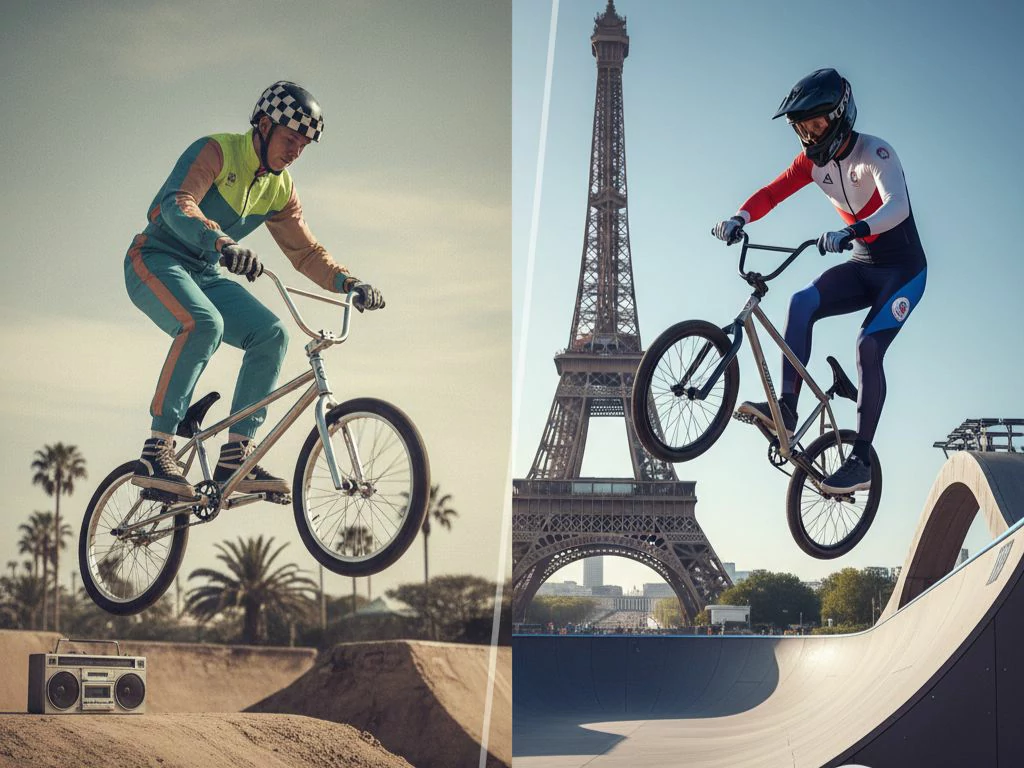
Disciplines and Riding Styles
Riders generally recognize two main categories: Racing and Freestyle. Both use 20-inch wheel bikes (with a 24-inch Cruiser version also available), but they are designed for very different purposes.
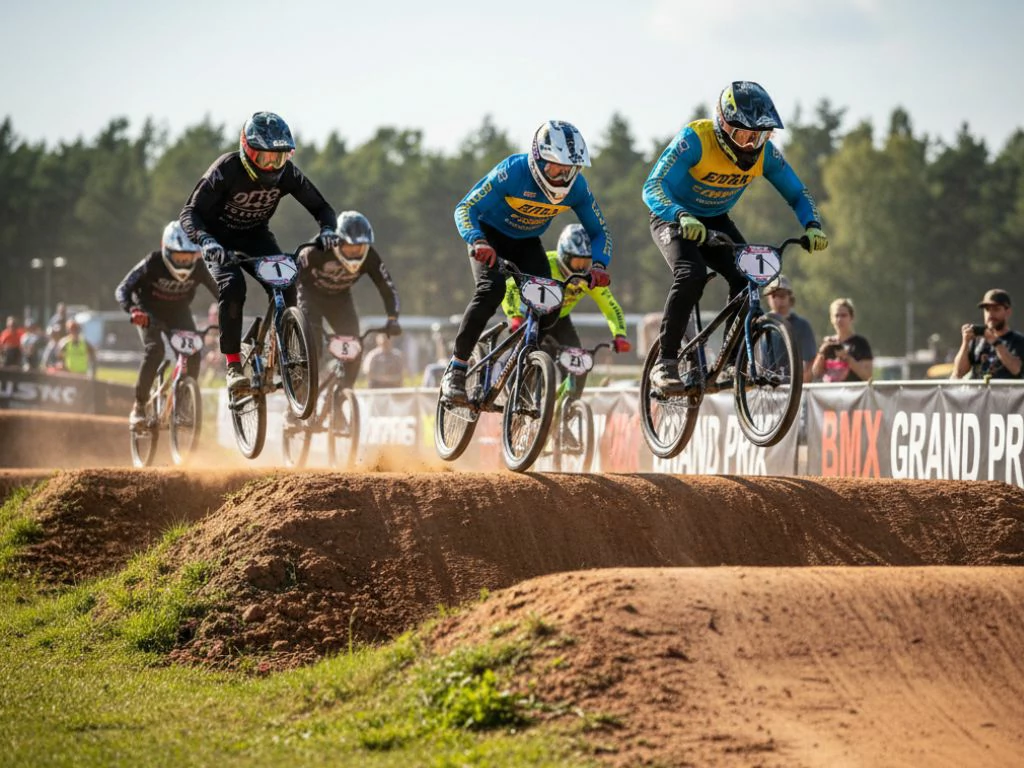
BMX Racing: Speed and Technique
This discipline is the most competitive.
- Track design: BMX racing tracks typically range from 328 to 437 yards in length and include starting ramps, rhythm sections, banked turns, and jumps.
- Race format: Up to eight cyclists start at the same time from an elevated starting gate, and the first rider to cross the finish line wins.
- What is evaluated: Riders are judged by their explosive speed, line choice through corners, jumping technique, and consistency throughout qualifying rounds.
- Typical bike: Racing bikes have extremely lightweight frames (aluminum or carbon), high gearing for maximum speed, no pegs, and powerful rear brakes to maintain control through turns.
BMX Freestyle: Creativity on Two Wheels
Here, the goal is not to cross the finish line first, but to perform the most impressive tricks. BMX Freestyle is divided into several disciplines:
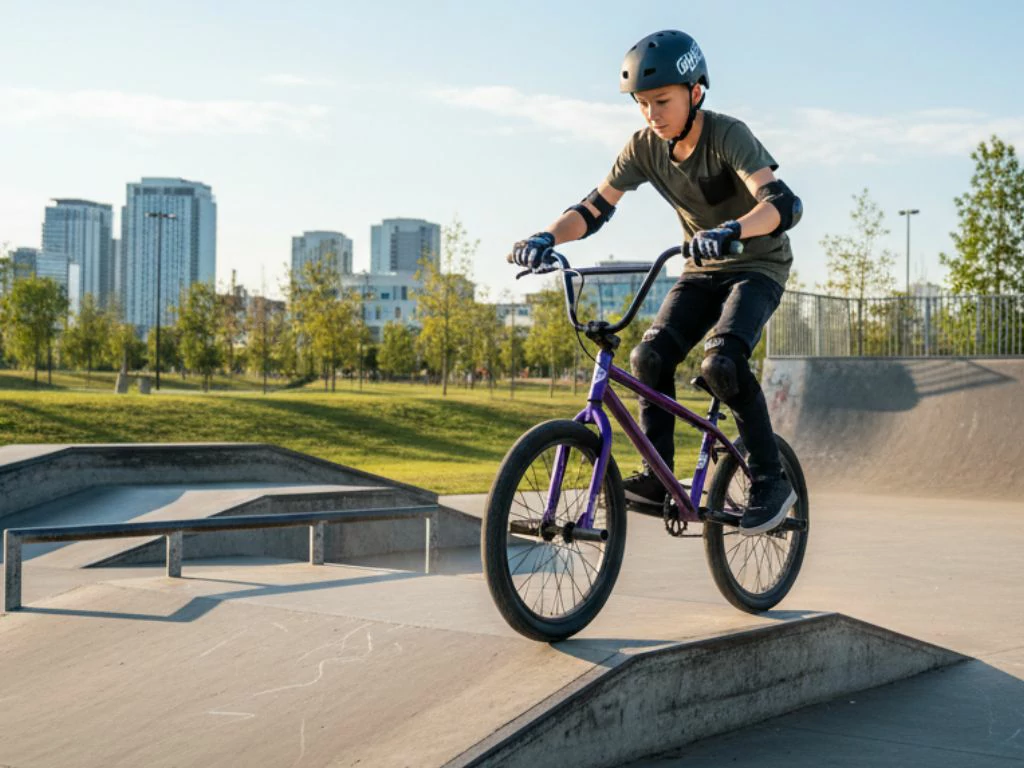
- Park: Performed in skateparks with ramps and bowls, where riders are judged on the height, difficulty, execution, and style of their tricks.
- Street: Uses urban features such as handrails, stairs, ledges, and walls, emphasizing creativity, technical skill, and bike control.
- Dirt Jump: Features a series of dirt jumps that require precise bike control, aerial skills, and smooth landings.
- Flatland: One of the most artistic disciplines, focused on balance tricks, spins, and technical maneuvers performed on flat ground.
- Vert (Half-pipe): Takes place on large U-shaped ramps, allowing riders to gain significant height and perform advanced aerial tricks.
Benefits of Practicing BMX
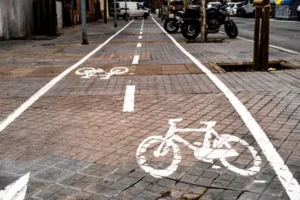
Beyond the excitement, BMX helps improve coordination, balance, and reflexes while strengthening the legs, arms, and core. It also encourages creativity as riders learn new tricks and builds resilience, since every new skill comes through practice, persistence, and trial and error. Just as importantly, BMX connects riders with a community that shares the same passion. If you would like to explore cycling beyond the sport itself, check out this Urban Bikeway Design Guide which examines the role of bicycles in shaping urban mobility.
Getting Started with BMX
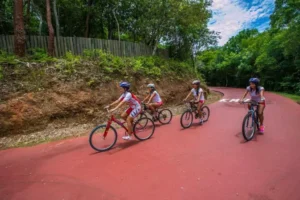
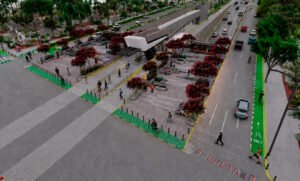
Si If you want to get started in BMX, choose a bike that matches your age, height, and riding style. Always wear a helmet, knee pads, and gloves to stay protected. Practice at local BMX tracks or skateparks where you can develop your skills in a controlled environment, and focus on the fundamentals first—bike control, jumping, and landing safely. As your confidence grows, you can progress to more advanced tricks or even enter competitions. For extra inspiration, explore examples of successful cycling infrastructure in Mexico and around the world, where cycling plays a central role in everyday life.
BMX Today: Culture and Popularity
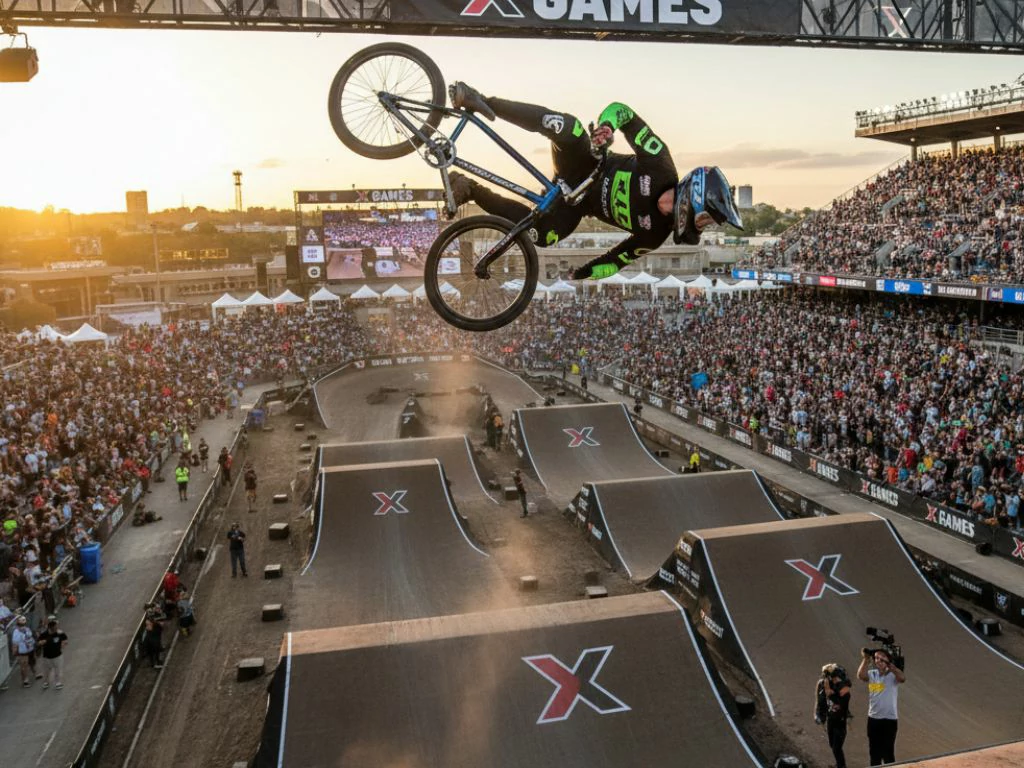
Today, this cycling discipline is one of the world’s most popular urban sports. Social media has inspired thousands of young riders to learn new tricks and develop their skills, while major events such as the X Games and the UCI BMX World Championships continue to showcase the sport on the global stage. Furthermore, Olympic inclusion has accelerated its growth, inspiring a new generation of riders around the world.
More than just a sport, it is a way of life. Every ride offers a chance to express yourself, embrace freedom, and overcome new challenges. Whether you are drawn to racing or freestyle, the first jump is only the beginning. From that moment on, riders become part of a close-knit community where every challenge, friendship, and achievement creates memories that last a lifetime.