
Feeling the wind on your face as you ride through miles of open road, pushing your limits, and discovering landscapes that can only be experienced on two wheels… That is part of what road cycling represents. For some, it is a competitive sport full of strategy and endurance; for others, it is a passion that transforms everyday routines into a lifestyle. But what exactly is road cycling, and what makes it so popular?
Beyond performance, this discipline has become a physical activity that helps maintain a balanced lifestyle. It is a sport accessible to different skill levels, encouraging people to ride a bike and enjoy the outdoors as part of their training and recreation. Thanks to its versatility, road cycling has become one of the most complete sports, attracting both beginners and professionals who want to improve their health and well-being.
In this article, you’ll discover the origins of road cycling, the health benefits it offers, and how to get started safely. If you’re looking for a clear, practical, and inspiring guide, you’ve come to the right place.
Understanding Road Cycling
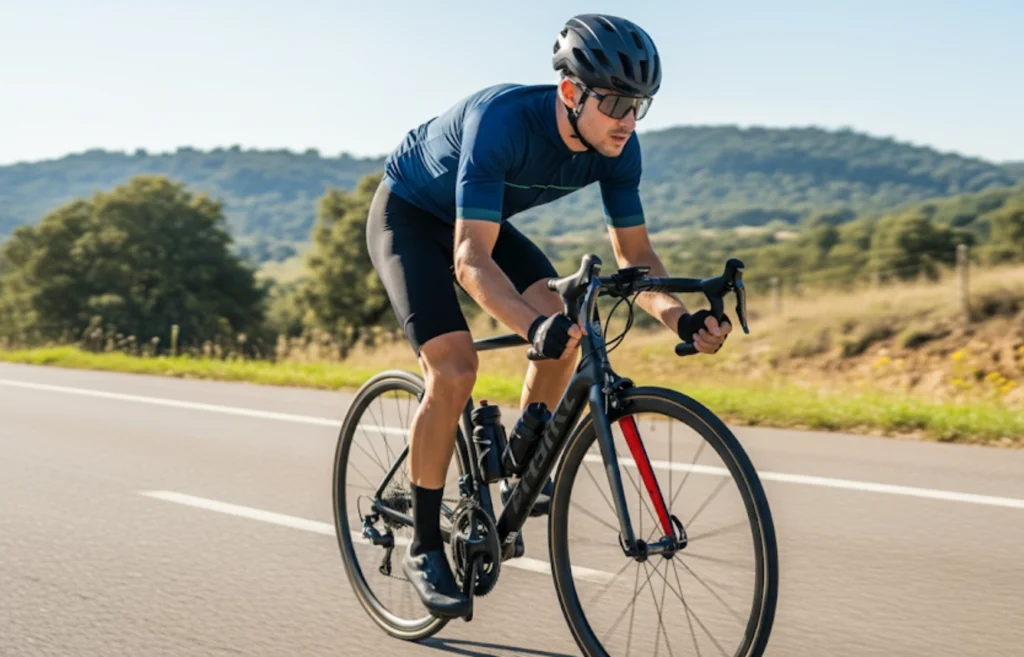
Road cycling is a discipline that involves covering distances on paved roads using bikes specifically designed for this purpose. These bikes are lightweight, aerodynamic, and equipped with thin tires that allow riders to reach high speeds and cover long distances more efficiently.
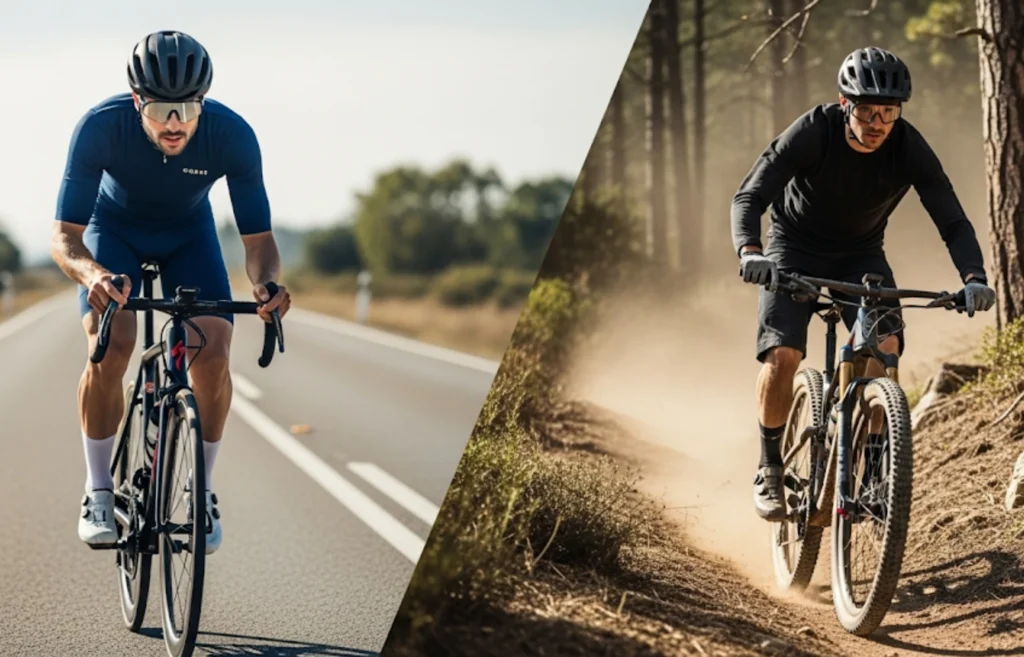
Unlike mountain biking, which takes place on uneven trails and natural terrain, road cycling is practiced on paved roads, whether during recreational rides, training sessions, or demanding competitions. It is not just about spending hours on a bike; it is also an activity that provides important health benefits, from improving physical fitness to helping strengthen the immune system.
In addition, the sport brings together endurance, strategy, and teamwork, making it a complete and stimulating experience for both enthusiasts and professionals.
Origins and Evolution of Road Cycling
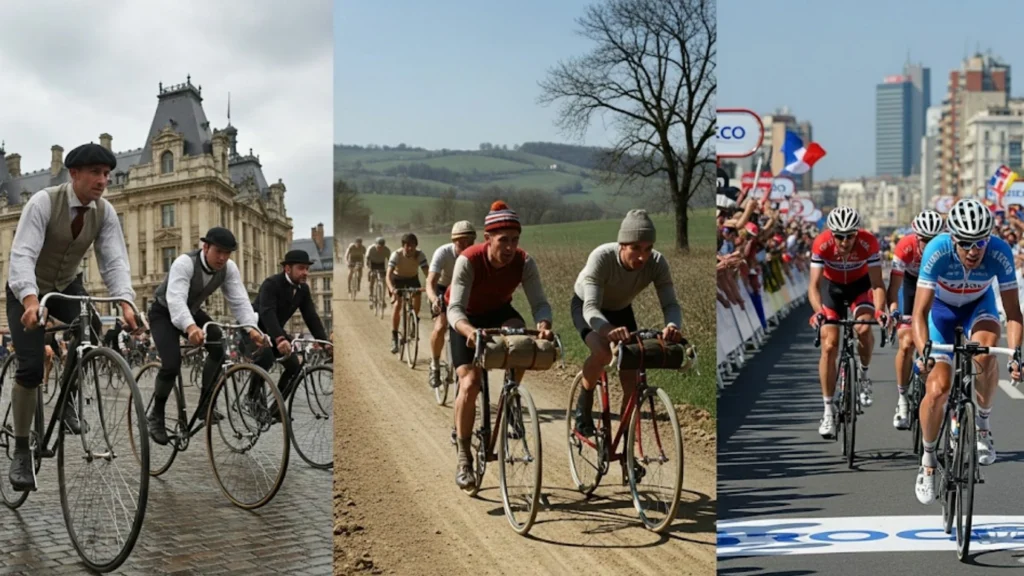
Road cycling traces the origins of the sport back to 19th-century Europe, when bicycles began gaining popularity as a means of transportation and recreation. The first organized races soon followed, with the Tour de France in 1903 becoming the landmark event that transformed the history of the sport.
Over time, other classic races emerged in Belgium, Italy, and Spain, further establishing road cycling as one of the most exciting disciplines in global sports. Today, it is part of the Olympic Games program and features prestigious events that attract both professionals and enthusiasts from around the world.
The Benefits of Road Cycling
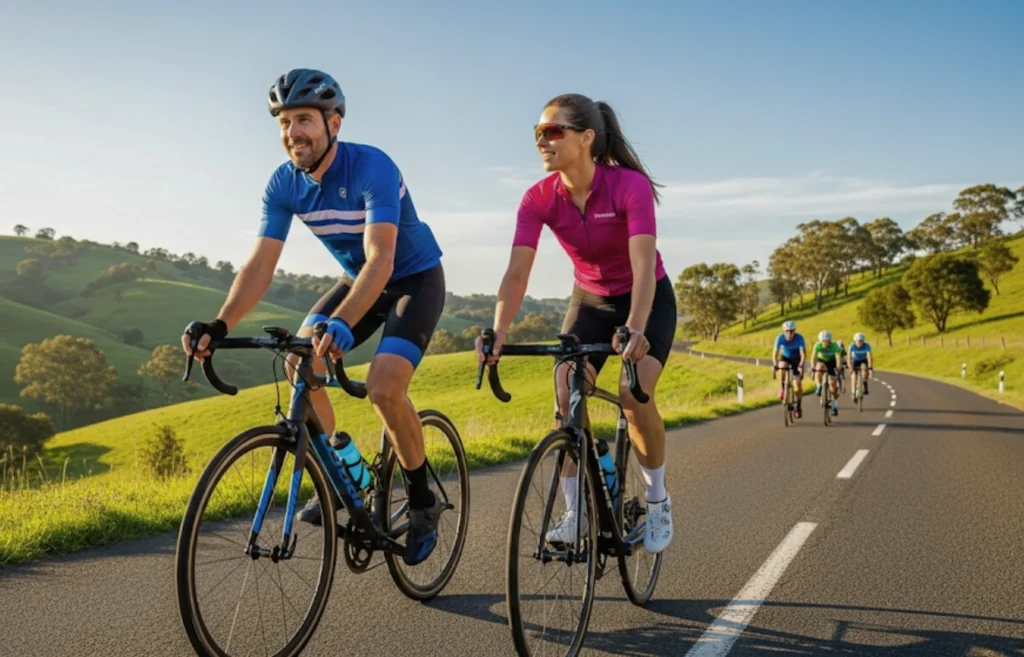
Beyond competition, road cycling provides great benefits that make it one of the most complete activities for both body and mind.
Physical health
- Improves cardiovascular fitness and endurance.
- Helps maintain a healthy weight by burning calories consistently.
- Strengthens the legs, glutes, and stabilizing muscles.
Mental well-being
- Promotes the release of endorphins, helping reduce stress and anxiety.
- Provides a sense of freedom when riding miles outdoors.
- Improves focus and personal discipline.
Social connection
- Allows riders to join cycling groups and share routes with the community.
- Creates friendships and support networks that encourage continued training.
- Cycling events and group rides provide spaces for healthy and active social interaction.
Essential Gear for Road Cycling
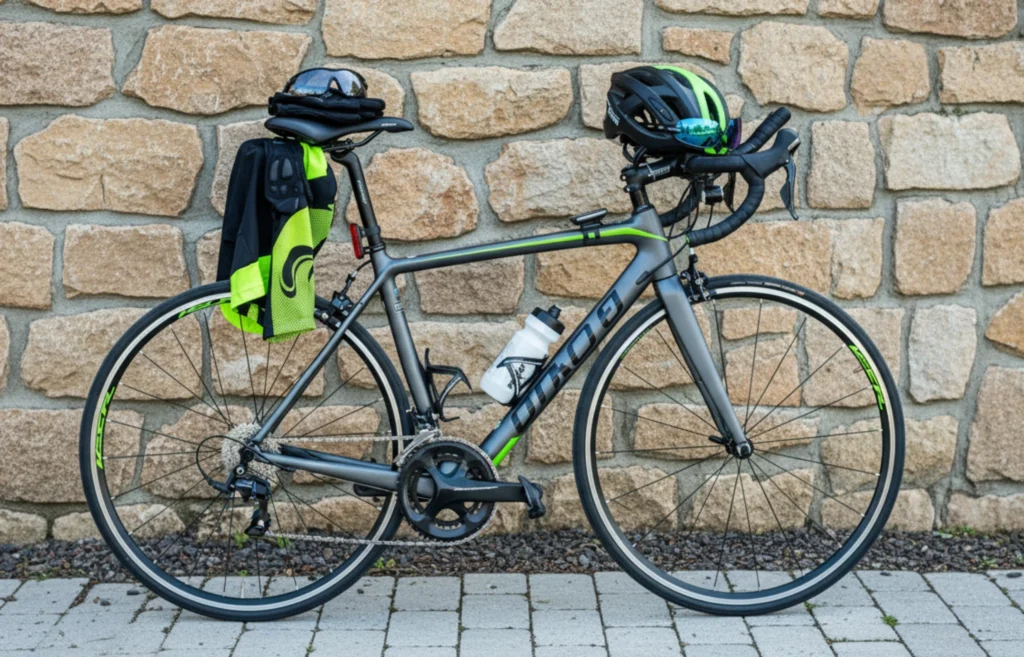
To fully enjoy this activity and ride safely, you will need some essential items:
- Road bike: Lightweight, with an aerodynamic frame and thin tires.
- Helmet: Essential for protection in case of an accident.
- Cycling clothing: Gear such as cycling jerseys and padded shorts (with a chamois pad) provides comfort and helps reduce friction on long rides.
- Gloves and glasses: Help improve grip, prevent injuries, and protect the eyes from wind and sunlight.
- Additional accessories include lights, reflectors, a water bottle cage for hydration, and, if possible, a cycling computer to track performance.
How to Get Started With Road Cycling
Starting your road cycling journey may feel intimidating, but a few practical tips can make the process much easier:
- Start with short and safe routes. Choose paved roads with little traffic to build confidence.
- Train progressively. Increase your distance and riding time gradually to avoid injuries.
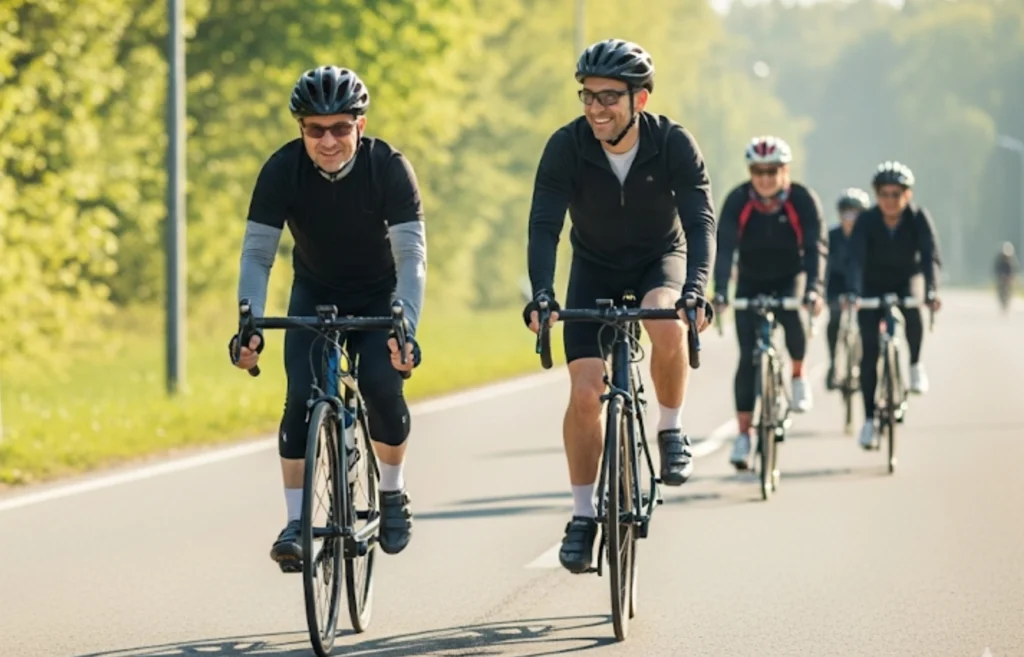
- Riding with others keeps you motivated. Look for local cycling groups; going out with company is always more enjoyable and safer.
- Hydration and nutrition. Remember to bring water and a light snack to maintain your energy levels.
- Consistency. More than intensity, regular training is what will help you improve.
Safety Tips for Road Cycling
Safety is essential in this sport, especially when sharing the road with vehicles. Keep these recommendations in mind:
- Always follow traffic regulations.
- Wear a helmet and use front and rear lights on every ride.
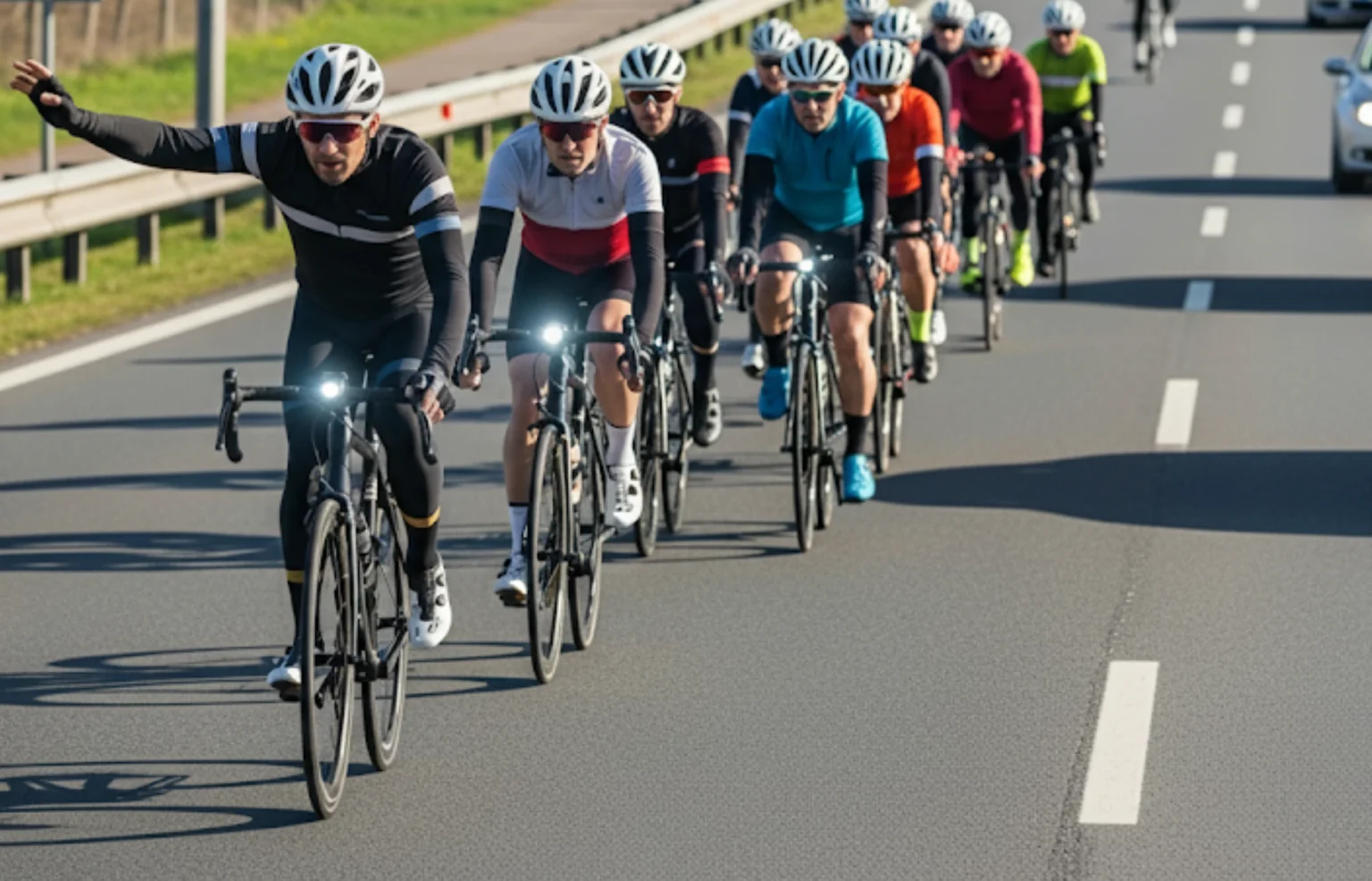
- Use cycling hand signals when turning or stopping.
- Stay visible by wearing bright or reflective clothing.
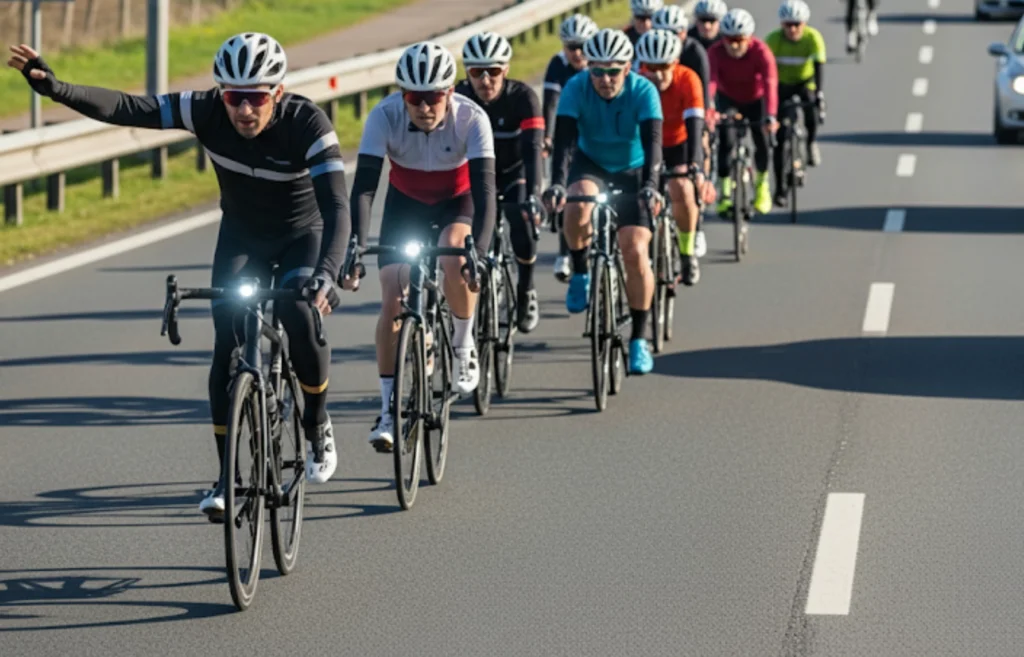
- Ride in a single file when cycling in a group to avoid disrupting traffic flow.
A Lifestyle on Two Wheels
Road cycling is much more than a sport; it is a lifestyle that combines health, discipline, camaraderie, and adventure. Every ride is an opportunity to challenge yourself, discover new places, and reconnect with yourself.
And if you want to keep learning beyond the basics, there are resources that can inspire your cycling journey. For example, understanding bike tires better will help you choose the right type based on your routes and needs. You can also explore how cycling infrastructure transforms cities by discovering the Urban Bikeway Design Guide, a resource that shows how this movement has grown and connected communities around the world.
Both articles complement this blog and offer valuable insights for anyone looking to make the most of road cycling.