

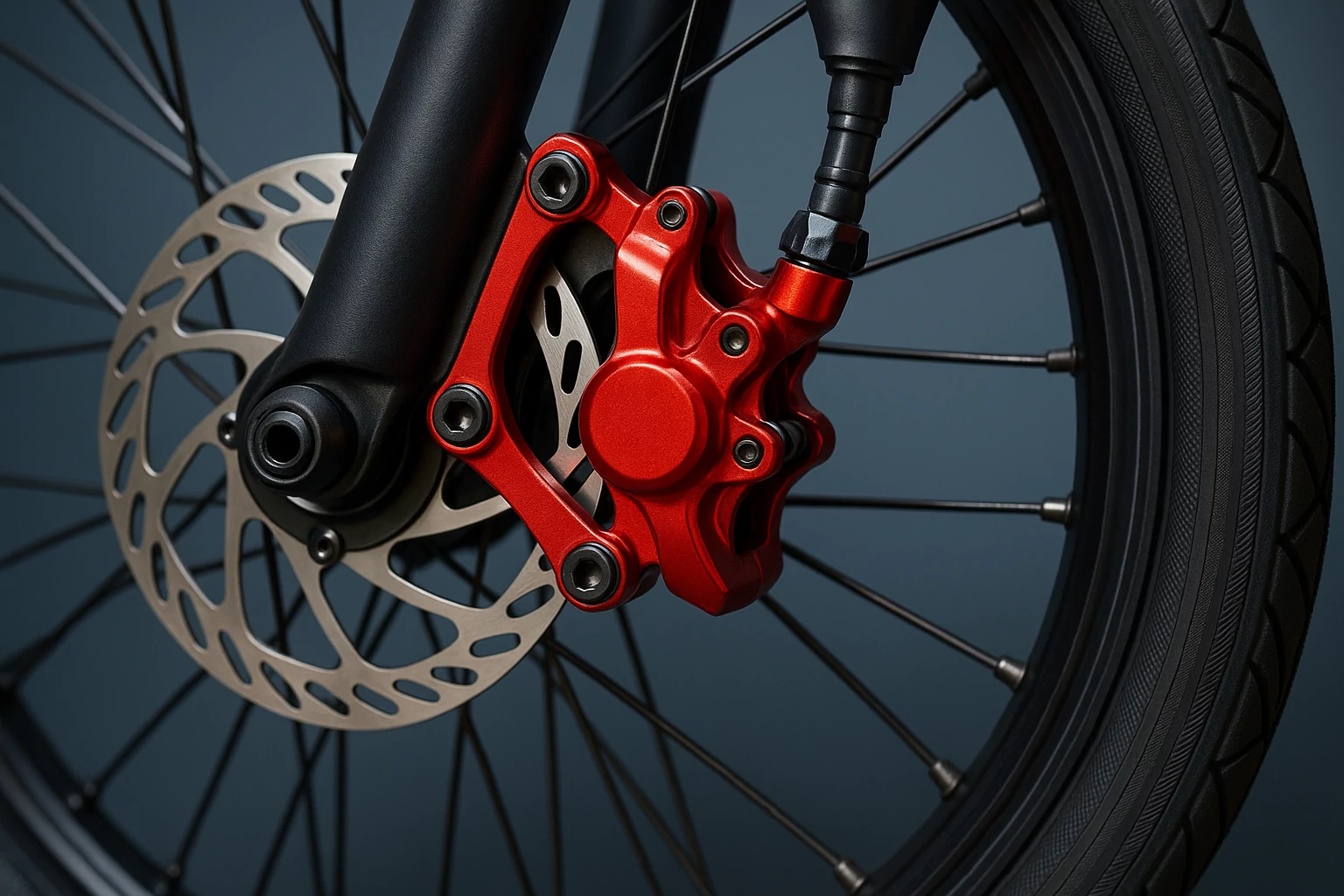
Few things inspire more confidence in a cyclist than knowing their bike brakes respond instantly. Whether you ride your urban bicycle or your road bike to commute, go on a route, or simply enjoy a leisurely ride, having a reliable braking system is essential for your safety and for making the most of every pedal stroke. However, over time, problems may appear: loose brakes, annoying noises, or loss of power. The good news is that most of these issues can be solved with simple adjustments and proper bike brake maintenance.
Discover practical ways to improve bike brakes without advanced mechanical experience. The following tips can help extend the service life of brake components and keep braking performance consistent in every riding condition.
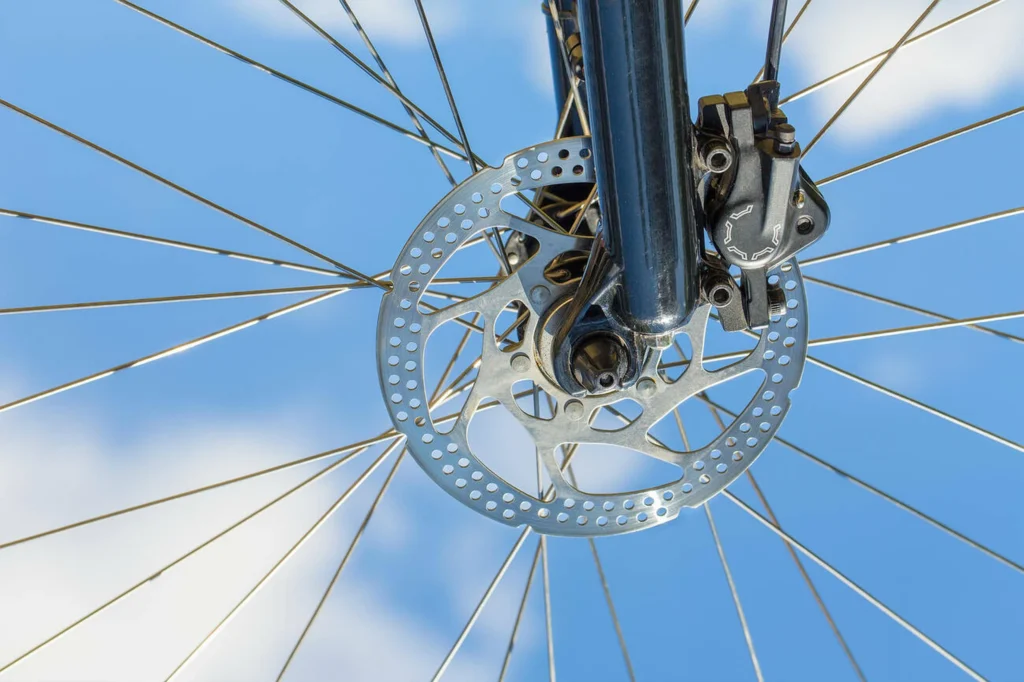
Keeping Bike Brakes in Excellent Condition is Essential For Rider Safety
Bike brakes are a critical safety system on every bicycle. Correct adjustment enhances riding control and safety in urban environments, road cycling, and mountain biking. Routine maintenance helps brake pads and rotors function correctly in different conditions, ensuring consistent braking power across all terrain types.
If your bike brakes fail, the bicycle becomes unstable, increasing the risk of falling. Moreover, a noisy or unresponsive brake can negatively affect a cyclist’s confidence and comfort while riding. That’s why dedicating just a few minutes to brake maintenance is a smart investment that improves both safety and the overall cycling experience.
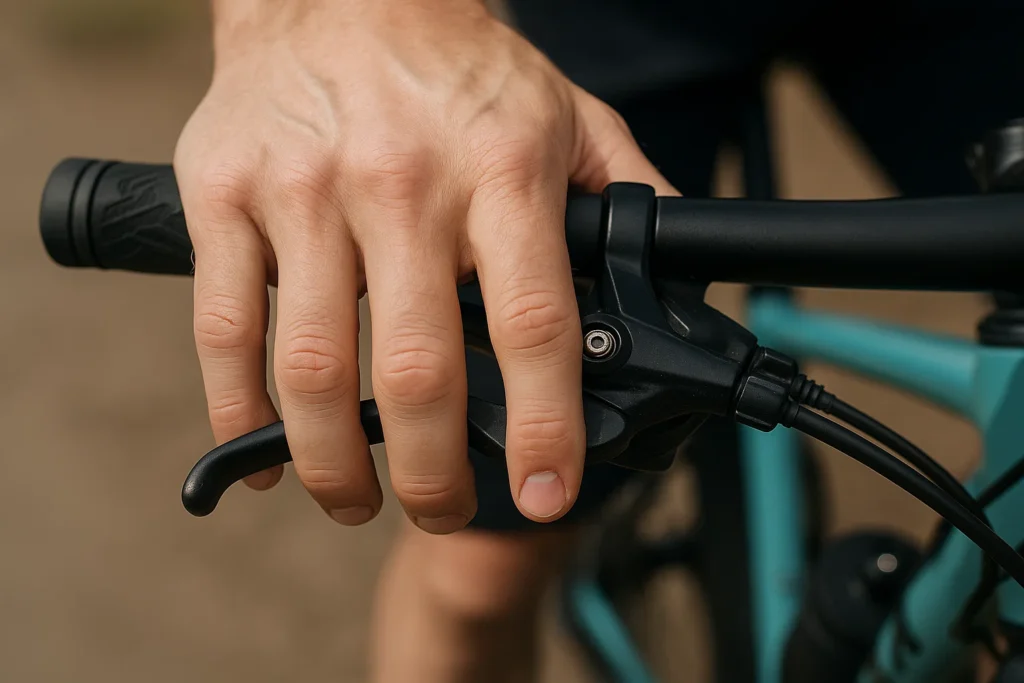
Common Bicycle Brake Issues
Knowing the most common brake problems is the first step toward fixing them:
- Brake noises: Occur when pads or shoes are misaligned or contaminated with grease and dirt.
- Loose brakes: Caused by slack cables or worn-down brake pads, reducing stopping power.
- Lack of response: In disc brakes, often due to air in the hydraulic system; in rim brakes, usually linked to worn-down rubber.
- Brakes locking: The wheel remains engaged even without pressing the brake lever, typically from poor adjustment or dirty pistons in disc brakes.
- Worn-down brake pads: As they wear down, the braking performance decreases.
How to Adjust Bicycle Brakes Step by Step
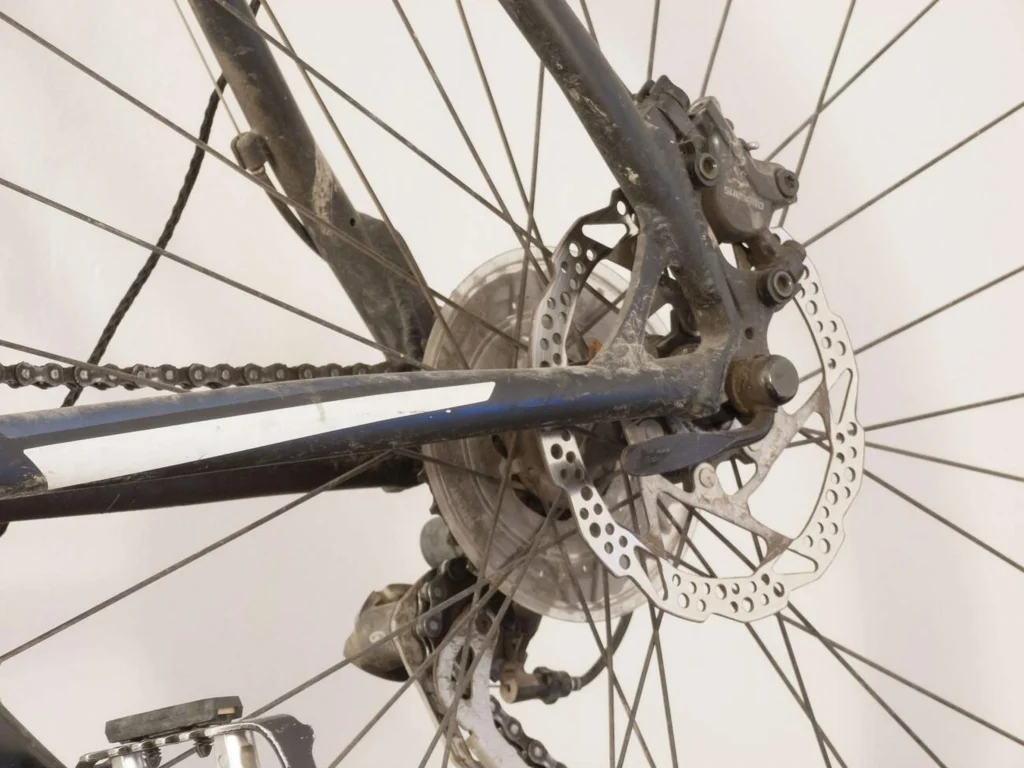
To regain control and stopping power on your bike, the most important step is to start with cable tension. In rim brake systems, turning the adjuster located near the brake lever or on the caliper brings the pads closer to the wheel rim, providing a quicker response when braking. Another key check is alignment: if you notice the bike braking on just one side, the rim brake pads are likely off‑center, or in disc brakes, the disc brake pads may be constantly rubbing against the rotor.
Cleaning also plays an essential role in bike brake maintenance. Dust, mud, and grease can contaminate brake pads and reduce braking performance, so regular wiping with a clean cloth is recommended. For disc brakes, a specific cleaner helps keep rotors in good condition. When brake pads or brake shoes are heavily worn, adjustment is no longer effective, and replacement becomes necessary. This is a low-cost repair that immediately improves stopping power.
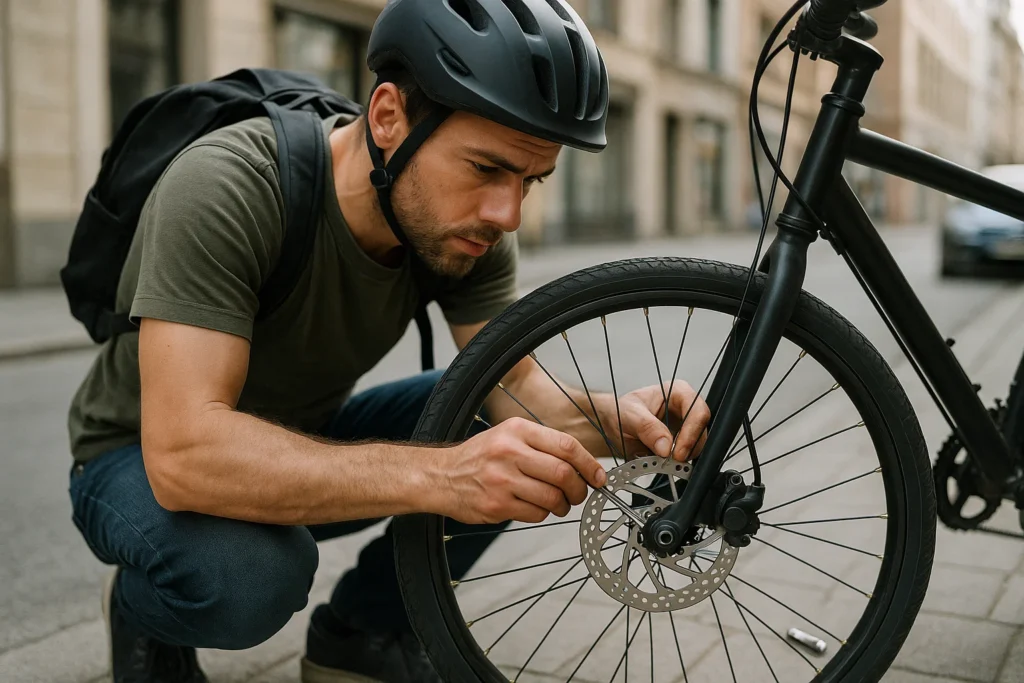
Cyclists often experience annoying noises when braking. These squeaking sounds are usually caused by dirt buildup or poorly bedded disc brake pads. A light sanding and cleaning with isopropyl alcohol are often enough to solve the issue. In addition, if hydraulic disc brakes are in use and the brake lever feels too soft or sinks too far, air may be trapped in the system. In this case, a brake bleed at a trusted workshop is recommended to restore firmness and braking performance.
How to Prevent Bike Brake Problems with Regular Maintenance
The most effective way to keep bike brakes in good condition is preventive maintenance before failures occur. Below are some practical recommendations:
- Inspect bike brakes before every ride by testing the brake levers briefly.
- Clean rims and rotors regularly to prevent rim brake pad contamination.
- Change cables and housing when rust or reduced brake lever performance becomes noticeable.
- Keep the bicycle in a dry environment to reduce corrosion.
- Schedule a complete maintenance check at least once a year, especially for daily cycling.
Ride Safely with a Reliable and Well-Maintained Bike
Knowing how to tune bike brakes not only helps you ride more safely, but also makes every kilometer more enjoyable. With simple adjustments, regular cleaning, and a bit of attention, your bicycle will be ready to respond in any situation.
Whether you are an urban, mountain, or road cyclist, well-maintained brakes are essential for riding without worries. In addition, if you want to keep your bike in top condition, this guide on bicycle tires is a great resource to understand how tire condition also affects riding safety.
If you are interested in urban mobility and how bicycles shape public space, you can explore the Urban Bikeway Design Guide, a resource that compiles international experiences and best practices to make urban cycling safer, more inclusive, and more accessible.