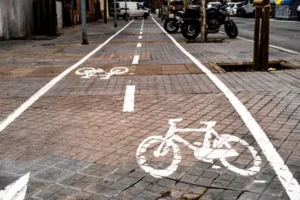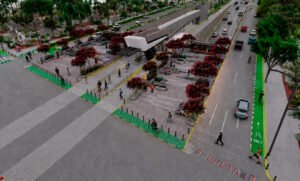

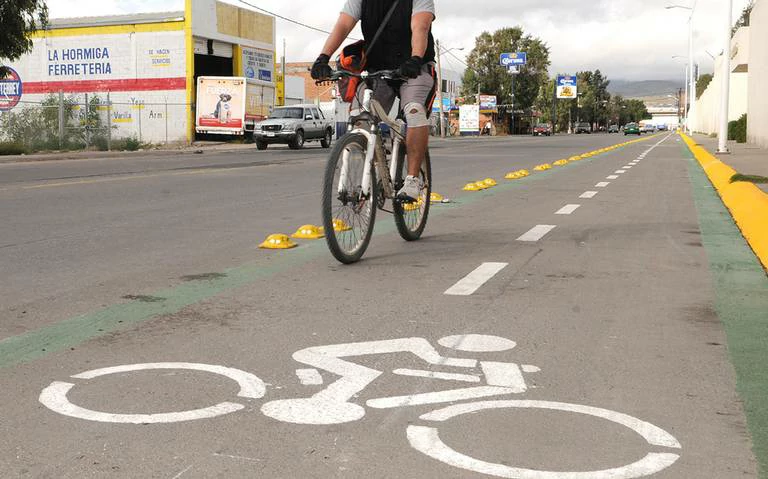
The topic of bike lanes in San Luis Potosí remains highly controversial. On one hand, local government authorities have stated that plans will continue for the development of an extensive cycling network designed to connect different areas across the state. On the other hand, the project has remained on hold for some time, creating uncertainty about its progress and future implementation.
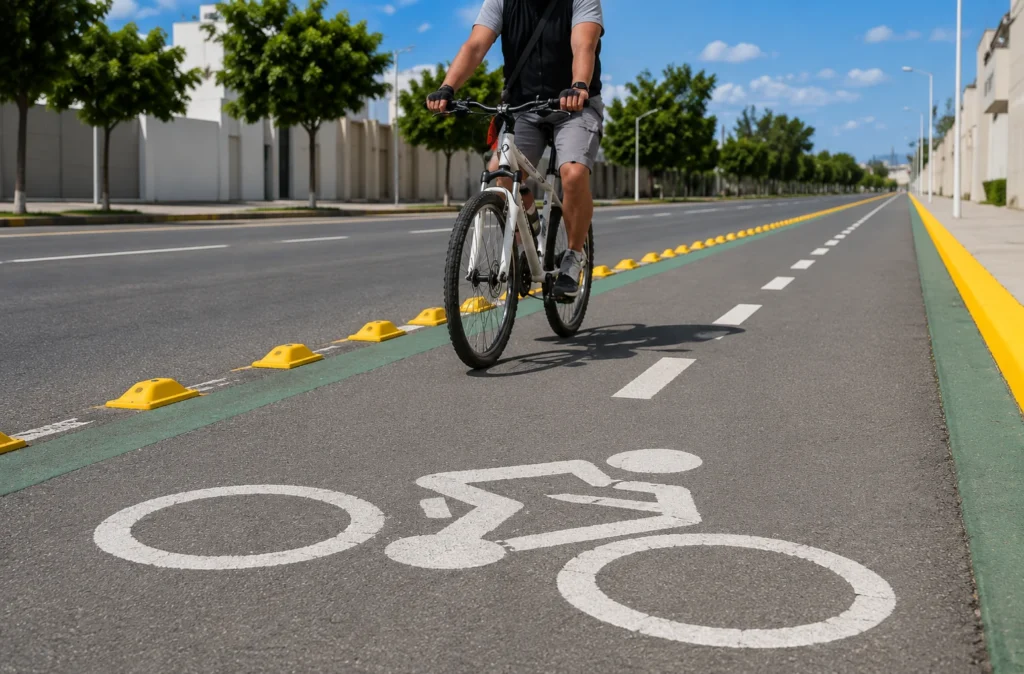
In addition, the State officials in San Luis Potosí aims to prioritize inclusive mobility. The main goal is to build an extensive network of bike lanes across the state. Unfortunately, the project to define the cycling infrastructure plan has not yet been completed.
Regarding this matter, Mayor Enrique Galindo Ceballos stated that an extensive analysis is being carried out through the Instituto Municipal de Planeación (IMPLAN) (Municipal Planning Institute). “Although they have not yet delivered the results, they are working on it together with the Mobility Council. It is not only about IMPLAN; it also involves citizens actively participating. Hence, I asked them to have the final proposal ready before the administration began so we could start addressing the bike lane initiative from the beginning of the government,” he said.
Bike Lanes to Connect Future Infrastructure in San Luis Potosí
Although it is clear that San Luis Potosí’s future large-scale bike lane network is still far from becoming a reality, the mayor announced that, as a priority, all new construction and infrastructure projects developed in the state must be connected to a bike lane.
In addition, he highlighted that an adjustment was made to the project, which will be presented in the coming days. However, he explained that the plan is for “all infrastructure projects we carry out to include a bike lane. From now on, just as we currently address sidewalks, drainage systems, street lighting, and landscaping, bike lanes will also be included. Everything we do will have to be connected to a bike lane.”
If this project becomes a reality, it would be a major advantage for all residents of San Luis Potosí. The best bike lanes are those that are well planned, properly built, and highly connected to key areas. The connections can include major avenues, tourist destinations, and links with other forms of public transportation.
Venustiano Carranza Bike Lane Remains a Pending Project
Galindo Ceballos emphasized that, after seeing how bike lanes operate in Bogotá, he is convinced of their effectiveness. However, he also stressed that successful cycling infrastructure depends on careful planning and strategic placement to deliver the greatest benefits for cyclists and the broader community.
Consequently, the mayor believes the Venustiano Carranza bike lane, which currently ends at Jardín de Tequis, should be extended. However, he emphasized that the project requires a revised plan to ensure it better serves the city’s mobility needs and integrates effectively with the broader cycling network.
“The project shoud move forward, but the bike lane needs to be rethought,” the mayor said. “After seeing the cycling infrastructure in Bogotá firsthand, I became convinced of its value. The design of a bike lane depends on factors such as available space and local cycling culture. What really caught my attention was the variety of approaches: many bike lanes replace the median, others run alongside it, some are located next to the roadwy, and others are built on the sidewalk.”
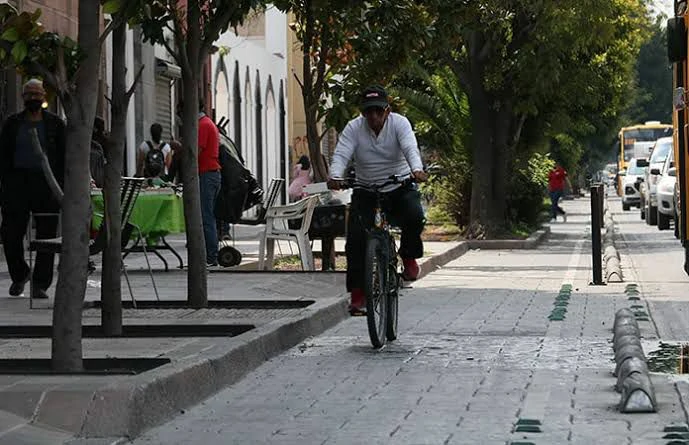
Cyclists Voice Their Frustration
Mayor Enrique Galindo maintains that the city’s bike lane network will continue to expand, but many cyclists in San Luis Potosí remain dissatisfied with the progress made so far. They argue that the pace of development has fallen short of expectations and are calling for faster implementation and a more connected cycling network that delivers safer, more practical routes for everyday travel.
For the Pedaleando San Luis Potosí Cycling Advocacy Group, the situation has become increasingly frustrating. The organization described the mayor’s comments about the Avenida Carranza bike lane as disappointing. In fact, members say they have grown weary of three years of promises with little progress. Meanwhile, the discussion continues over whether the protected cycling lane should stay, despite its role in promoting safer and more connected bicycle infrastructure.
The group believes it is time to move beyond this debate and focus on a broader vision for urban mobility. Instead, they are calling for greater investment in cycling infrastructure and long-term planning. Ultimately, their goal is to create a larger, better-connected network of bike lanes that encourgages more people to ride safely and confidently.
In another concerning development, the cycling collective stated that “the Citizen Mobility Council has repeatedly pointed out that it has not been informed about or involved in the studies mentioned by the mayor. This lack of communication and public participation only contributes to a perception of opacity and disconnect from the community’s actual needs,” the cyclists stated.
The cycling advocacy group pointed out that, so far, the administration has prioritized car-oriented mobility. They emphasized that this “is not only inappropriate but also contradicts best practices and regulations for safe and sustainable mobility.”
They also pointed out that the bike lanes in SLP are currently not interconnected, which limits their usefulness.
Therefore, they emphasized the need to develop more cycling infrastructure that connects all bike lanes, allowing cyclists to move safely and efficiently throughout the city.