

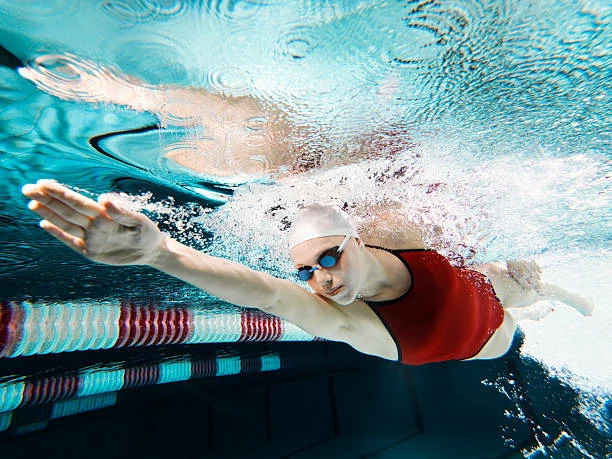
Cycling is widely recognized as one of the most effective cardiovascular workouts, Even so, swimming can make a training routine even stronger. Together, these two sports create a balanced combination for fitness and overall performance.
Wondering how swimming can take your cycling to the next level? Read on to find out. Leave your helmet and tool kit aside for a moment, grab your goggles and swim cap, and dive into this blog.

How Swimming and Cycling Complement Each Other
Both swimming and cycling are low-impact sports that place very little strain on the joints, especially the knees and shoulders. Furthermore, each activity helps build stronger back muscles.
Swimming and cycling are two low impact activities, this means that cause a small or zero impact to joints, above all knees and arms, besides, both strengthen back muscles.
Cycling mainly targets the leg muscles, whereas swimming focuses more on the torso, back, and arms. Therefore, practicing both sports helps achieve better muscular balance. Upper- and lower-body development becomes more even, instead of emphasizing one area over the other.
Benefits of Swimming for Cycling
Cycling is already a low-impact activity for the leg joints; however, swimming places even less stress on them. Because the body floats in the water, joint pressure decreases, which promotes leg recovery and helps reduce fatigue after a ride.
Swimming with proper technique builds outstanding balance and coordination. Every stroke engages the arms, core, back, and legs to keep the body aligned in the water. Consequently, these skills transfer to cycling, making bike handling more stable on narrow trails and rough terrain.
One of the biggest benefits of swimming is better breathing. Regular swim training improves breath control, allowing more efficient oxygen intake with fewer breaths. Consequently, lung capacity and cardiovascular endurance increase. These improvements translate directly to cycling, particularly during long climbs and other demanding effort.

Benefits of Cycling for Swimming
Many of the benefits work in the opposite direction. Cycling may not immediately improve swimming balance; however, the body control developed on the bike makes it easier to adapt to the flow of the water and maintain a straighter path while swimming.
Cycling places high demands on the cardiovascular system. Swimming then strengthens breathing control; moreover, cyclists often adapt more quickly to breathing techniques and lung conditioning when they begin swimming lessons.
If you are a long-distance cyclist, leg strength becomes a major advantage. Regular cycling builds strong calves and other lower-body muscles. As a result, kicking power and speed in the water can improve significantly.
How to Combine Swimming and Cycling
To combine swimming and cycling, isn’t enough with practice these two, but you must know how to do it. Firstly, it’s important to create a routine of active rest. This means that you alternate the days that you will swim and the ones you will pedal.
A simple training schedule could include swimming on Monday and Wednesday, followed by cycling on Tuesday and Thursday. As a result, the primary muscles engaged during one activity recover during the other. This active recovery strategy keeps the body moving without placing continuous stress on the same muscle groups.
In addition, every swimming stroke develops different skills that can improve cycling performance. Below are the key benefits of each style.
- Freestyle (Front Crawl): Freestyle develops upper-body strength and cardiovascular fitness. Moreover, varying pace and distance helps improve both endurance and speed.
- Backstroke: This stroke targets the back muscles, helping counter the forward riding position common in cycling. Furthermore, a stronger lower back provides better support during uphill efforts.
- Kickboard Training: A kickboard keeps the focus entirely on leg movement. Consequently, the lower body becomes stronger, leading to greater pedaling power and efficiency.

Swimming and cycling are a powerful combination for overall fitness. Whether you rely on one to improve performance in the other or practice both for enjoyment, each strengthens cardiovascular health. Together, they create a solid foundation for a healthier lifestyle.