
Switzerland ranks among the countries with the highest number of bicycles per capita. No surprise, the nation continues to innovate cycling infrastructure, including the development of the first electricity-generating bike lane.
The famous cheese-making country has created a sustainable bike lane, adding an innovative touch to a mode of transportation that is already one of the most sustainable options available. In addition, the project combines cycling infrastructure with renewable energy, showing how bike lanes can contribute to more sustainable mobility.
Solar Horizon: Switzerland’s Innovative Bike Lane
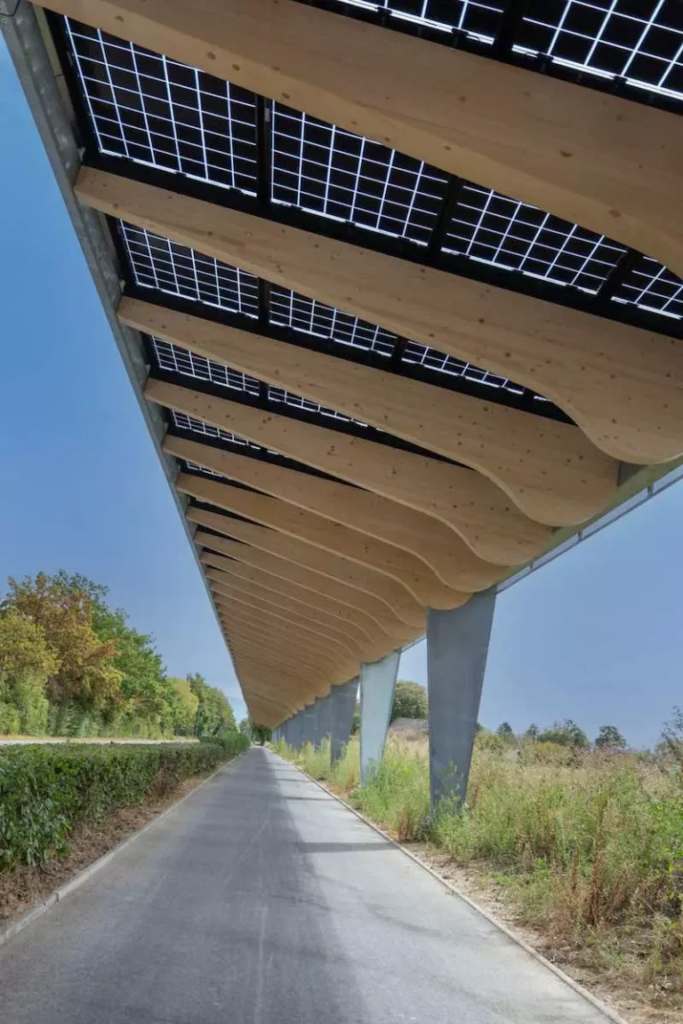
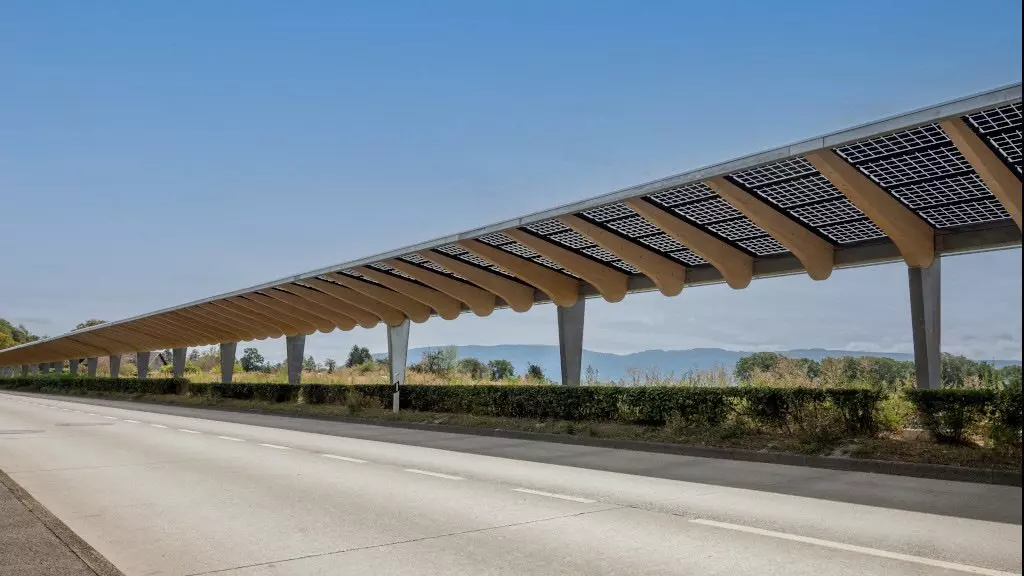
Solar Horizon, a bike lane in Satigny near Geneva, includes a solar‑panel roof producing renewable energy. Operations started in June 2023, with the official inauguration held on September 11.
Although it is not the only solar-powered bike lane in the world, the project represents a step forward in the development of more sustainable mobility. Moreover, the innovative features combine renewable energy with cycling infrastructure, creating benefits for both the environment and the local community.
Want to know how it works? Read on to discover how this innovative solar bike lane generates clean energy.
How Does an Electricity-Generating Bike Lane Work?
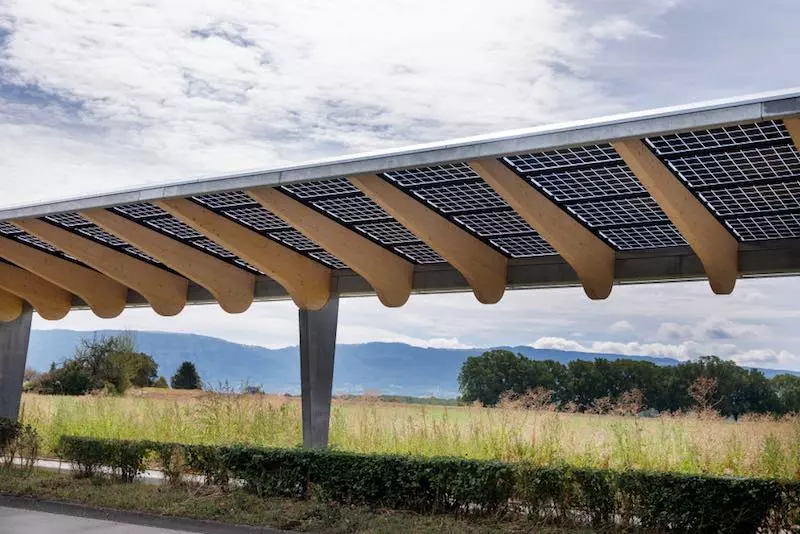
The project was developed by Services industriels de Genève (SIG). In addition, one section of the bike lane is covered by 468 translucent, waterproof solar panels designed to generate renewable electricity.
Through these solar panels, the system captures sunlight and converts it into electricity, generating approximately 200,000 kWh per year. In practical terms, that is enough electricity to cover the annual consumption of around 65 households in Geneva.
Additionally, the solar-powered bike lane stretches for more than 656 ft and features recycled concrete foundations, and the structure combines wood and metal. The construction took a total of six months and cost approximately USD 1,849,500. Despite the investment, the project serves as a pilot for combining cycling infrastructure with renewable energy.
Solar-Powered Bike Lane: A Response to the Climate Emergency
This bike lane is part of Geneva’s broader strategy to address the climate emergency. As part of this plan, the city aims to reduce greenhouse gas emissions by 60% by 2030 and achieve carbon neutrality by 2050.
In addition, State Councillor of Geneva, Antonio Hodgers emphasized the importance of expanding solar energy production. According to Hodgers, “every square feet of solar panels counts” in addressing the climate emergency and reaching Geneva’s goal of producing 350 GWh of photovoltaic electricity by 2030.
As for Switzerland as a whole, under the Paris Agreement on climate change, the country has committed to reducing its greenhouse gas emissions by at least 50% by 2030 compared with 1990 levels; among the initiatives stands this first electricity‑generating bike lane.