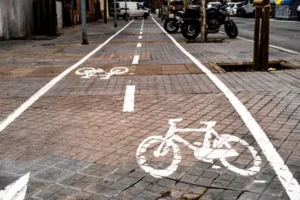

Cycling in San José del Cabo has evolved beyond a recreational activity. Today, it provides a practical and enjoyable way to connect neighborhoods, neighborhoods, plazas, and parks, creating a safer and more engaging way to move through the city. Designed as a long-term initiative, the San José del Cabo Cycling Corridor seeks to transform urban mobility by integrating transportation, public space, and recreation along a shared route.
From the outset, the goal was clear: to create a network that would enable safe and seamless travel, encourage healthy habits, and promote the use of non-motorized modes of transportation. This article explores how the initiative was developed, the results it has achieved, and the plans for the years ahead, further positioning San José del Cabo as a benchmark for sustainable mobility in Baja California Sur.
How the San José del Cabo Cycling Corridor Became a Permanent Part of the City
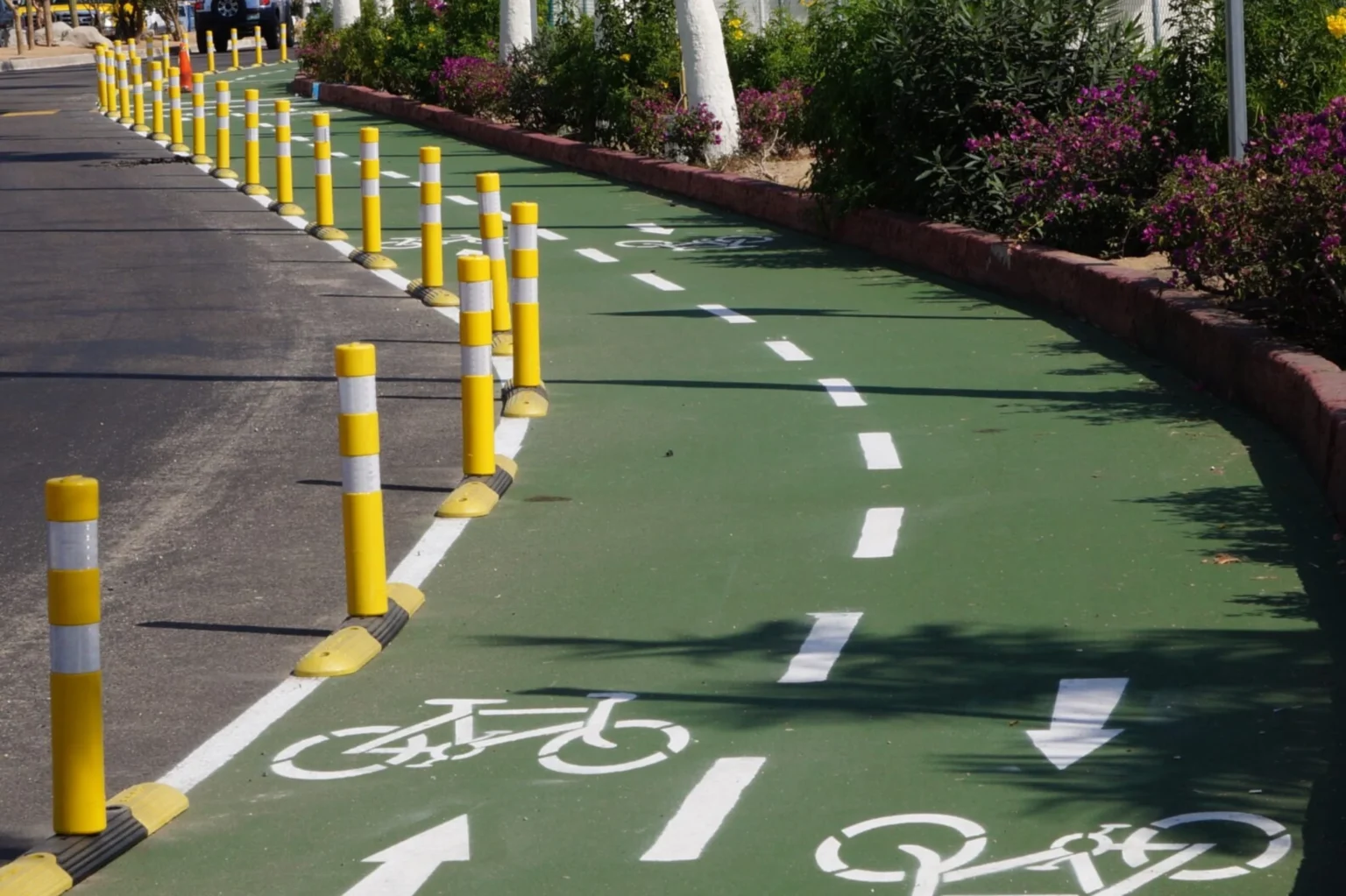
The first phase, inaugurated in 2018, covered more than 3 miles, linking the downtown area with the hotel corridor. Funded by Mexico’s National Fund for Tourism Development (FONATUR), this stage connected residential neighborhoods with areas of high economic and tourism activity. The corridor was planned around safety, clear signage, and route continuity, quickly becoming a functional connection for both residents and visitors.
The project emerged from close collaboration among local authorities, urban planners, and mobility experts. Moreover, it aligned with the objectives of the 2040 Urban Development Plan (PDU 2040), which promotes sustainable growth, prioritizes non-motorized transportation, and strengthens connections between different modes of mobility. The experience gained during the first phase helped refine technical elements and establish a scalable model for future expansions of the cycling network.
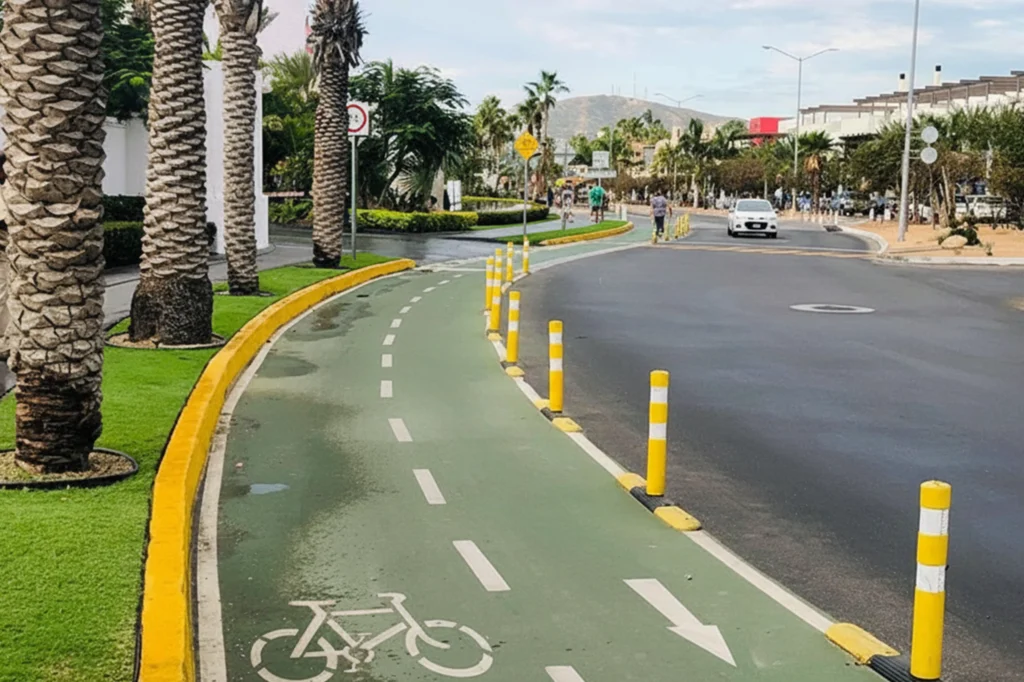
Growth of Cycling Infrastructure
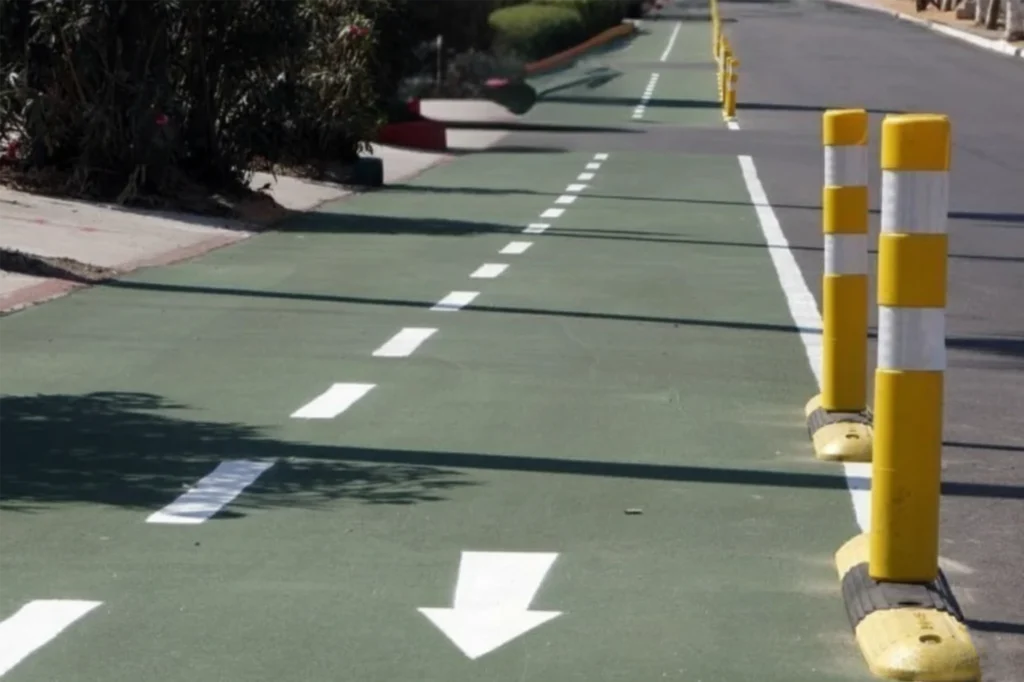
Building on the lessons learned, a second phase added five more kilometers, extending the bike lane into new neighborhoods and residential areas. The expansion reinforced San José del Cabo’s cycling network, providing longer routes for everyday cyclists while improving access to commercial and tourist destinations.
Each section was designed with an inclusive approach, providing safety, accessibility, and comfort for all types of users — families, urban cyclists, and visitors. Furthermore, the expansion improved connections with public transportation and major roads, creating a continuous network that encourages more efficient and environmentally friendly travel.
Cycling infrastructure connects more than destinations — bringing people and lifestyles together. As each new kilometer was added, cycling moved beyond being an alternative mode of transportation and became a real, sustainable option for everyday travel.
The Impact of the San José del Cabo Cycling Corridor
Following the opening of the San José del Cabo Cycling Corridor, the project has delivered noticeable benefits for the community. The corridor has made everyday trips safer and more comfortable for residents and visitors alike, offering a new way to experience the city. By reducing car dependency, the project has strengthened sustainable mobility and promoted a more active, healthier urban lifestyle.
Key benefits include:
Key outcomes include:
- Great safety for cyclists and pedestrians
- Reduced reliance on motor vehicles
- Increased physical activity and healthier habits
- The creation of spaces for social interaction and community connection
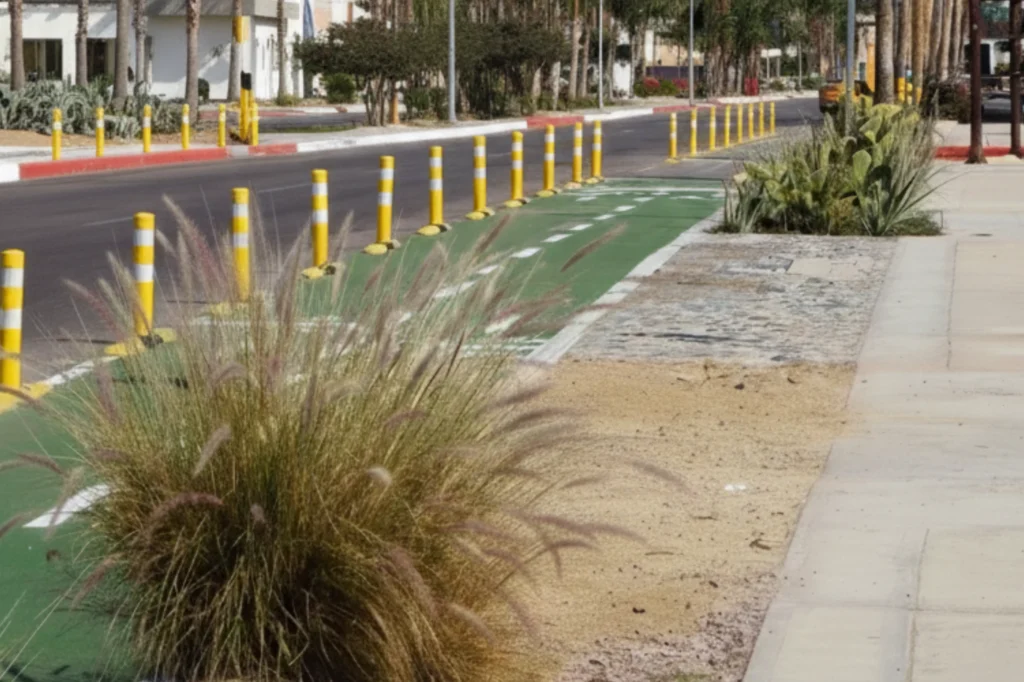
Beyond the project’s immediate effects, the cycling network became an integrating element of the urban environment, connecting communities and promoting social cohesion. Experience showed that cycling can be an effective tool for urban transformation, rather than simply a recreational activity.
Cycling Route and Urban Connections
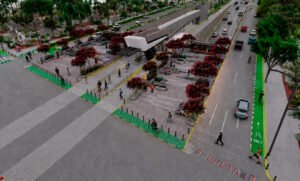
Exploring the San José del Cabo Cycling Corridor allows people to rediscover the city from a different perspective. Each segment connects neighborhoods, plazas, and parks, creating a more engaging experience with the urban space. Along the way, rest stops and gathering areas encourage people to enjoy the ride, interact, and take safe breaks.
The infrastructure design was seamlessly adapted to the urban landscape, integrating residential areas, commercial zones, and tourist destinations. This connection not only improves mobility but also revitalizes public spaces and strengthens the sense of community. Parks, plazas, and pathways have become gathering places where cycling encourages new forms of social interaction.
San José del Cabo’s cycling network proves that well-designed infrastructure can do more than create safer streets; these improvements can transform the way people experience and connect with the city. As cycling becomes part of everyday routines, the network links destinations, experiences, and people across the urban landscape.
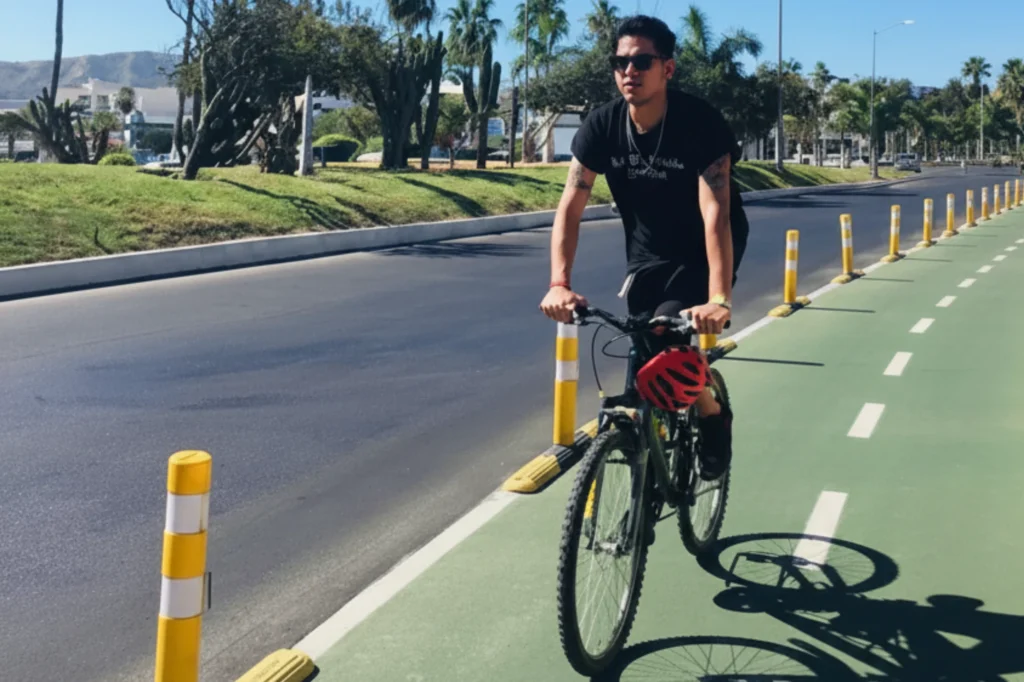
What Lies Ahead for San José del Cabo
As the San José del Cabo Cycling Corridor continues to expand and solidify its role as a model for urban mobility, future plans aim to extend the network, improve connectivity across more neighborhoods, and further promote cycling as an everyday transportation option. Each new phase will build on the experience gained from previous stages, delivering safer, more connected, and more functional infrastructure for all users.
To explore how other cities have developed their cycling networks and which strategies could guide San José del Cabo’s future expansion, Bratislava’s Cycling Corridor serves as a valuable reference for its emphasis on safe and continuous design. Beyond this example, many medium-sized and smaller cycling cities have implemented connectivity and planning strategies that can be adapted to similar urban contexts. These cases demonstrate how cycling can reshape urban mobility and improve quality of life in cities such as those in Baja California Sur.