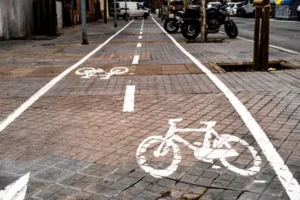


Cycling is considered one of the healthiest and most sustainable forms of exercise. Still, cycling back pain remains a common issue among riders. If cycling is beneficial for the body, why does it sometimes place stress on the spine, and how can it be effectively prevented or reduced?
The following sections explain why extended time on a bicycle can contribute to spinal discomfort, especially in the lower back. In addition, you will find effective tips to help prevent back pain and improve comfort on every ride.
Common Causes of Cycling Back Pain
Cycling engages and strengthens muscles throughout the body, from the legs and arms to the core. Nevertheless, poor posture on the bicycle can strain the spine and contribute to back pain over time.
In fact, simply sitting on the bike seat and pedaling increases muscle activity and strain in the lower back. As a result, the natural alignment of the spinal vertebrae can gradually change during a ride.
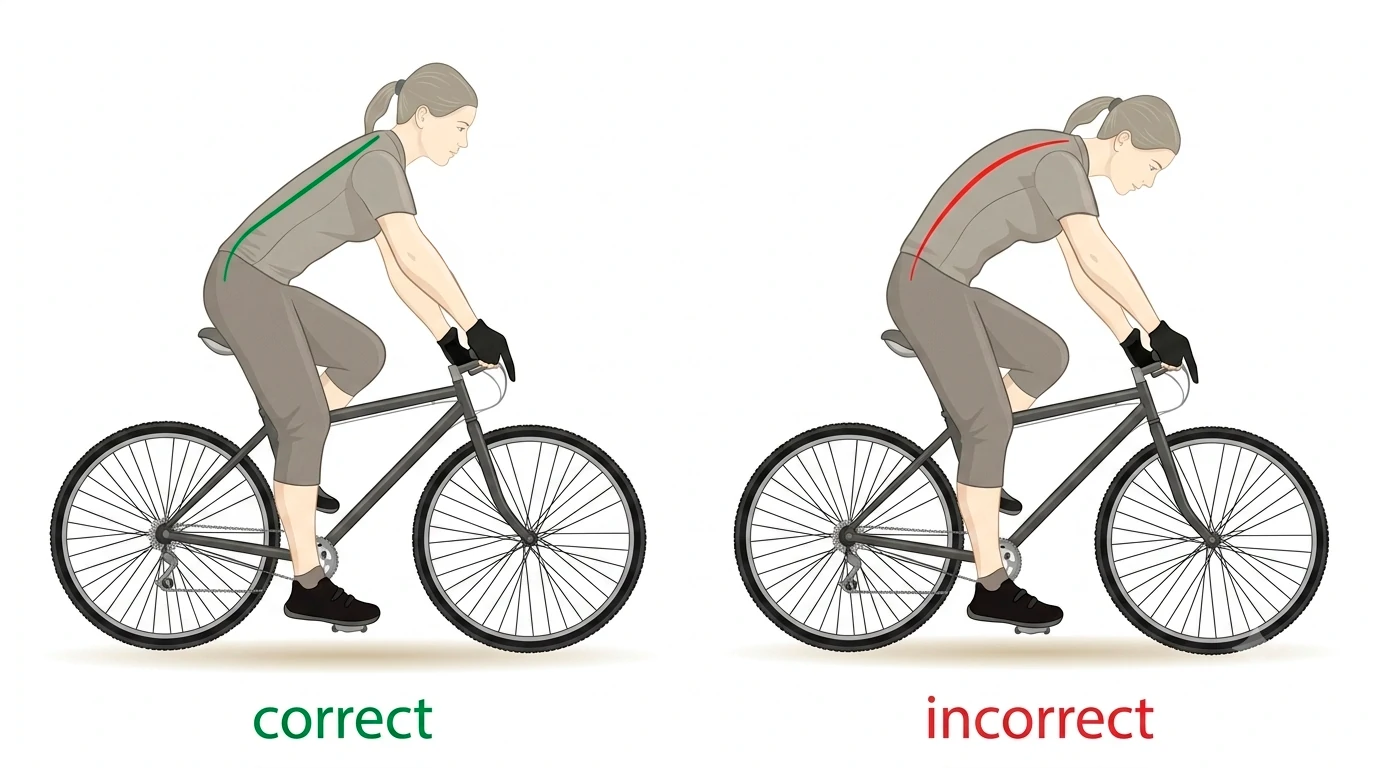
A proper riding posture usually starts with a straight back. Over longer rides, fatigue can cause the upper body to round forward, placing extra stress on the spine and contributing to back pain from cycling.
Poor riding posture increases pressure on the lumbar discs, the cushion-like structures located between the vertebrae. Consequently, compression in this area may place stress on the spinal nerve roots, resulting in lower back pain.
Can Certain Bicycles Help Prevent Back Pain?
Unfortunately, there are no bicycles designed to fully avoid back pain. As explained above, neither standard bikes nor professional mountain or road bikes prevent spinal curvature while riding. Racing bicycles, for example, often have handlebars positioned below bike seat height, which places the rider in a forward-leaning posture from the beginning.
How to Relieve Cycling Back Pain
As much as we look for a special bicycle, the only cure for the back pain caused by cycling and to avoid other injuries is to have a good posture when riding, but how can we achieve that?
Even though there are different bicycle classes and models, what matters is the height of the handlebars and saddle allows the angles of the knees to flex when pedaling, as well as the extension of legs and shoulders when riding.
When the handlebar is correctly adjusted in height and distance relative to the bike seat, it encourages proper riding posture and helps reduce strain on the arms, back, shoulders, and neck.
Despite the variety of bicycles, what truly matters is the adjustment of the saddle and handlebar height, since it affects knee flexion while pedaling and the extension of the legs and shoulders during riding.
By focusing most of your effort on your legs, you can reduce unnecessary strain and tension in the upper body. Riding a properly fitted bicycle also plays an important role. Here you can find out the correct bike height for your body.