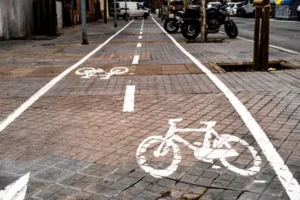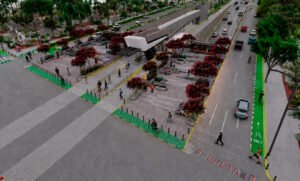

In 2023, Guadalajara took a decisive step toward more human-centered mobility. The introduction of the Javier Mina Cycling Corridor was more than a public project; it became a turning point in the way the city approached urban mobility and street design. This 4.5-mile bike lane connected historic areas with high-activity commercial zones, becoming a vital route for thousands of users seeking safer, more sustainable, and efficient transportation alternatives.
Located in eastern Guadalajara, the corridor opened in a densely populated area with heavy traffic. From the outset, Javier Mina Avenue began to change: mobility patterns shifted, public spaces were reorganized, and cyclists became an integral part of the urban landscape.
A Project That Redefined The Path of Urban Mobility
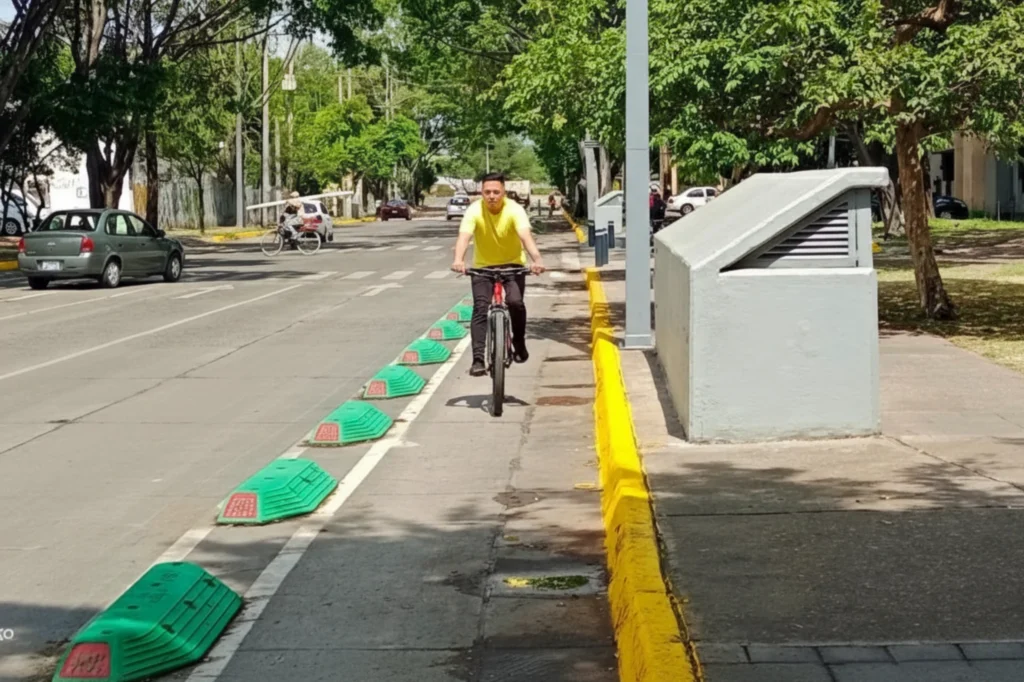
The cycling axis became a cornerstone of Guadalajara’s metropolitan mobility plan, extending 4.5 miles between Plaza de la Bandera and Calzada Independencia, and the project evolved to a cornerstone of Guadalajara’s metropolitan mobility plan, extending 4.5 miles between Plaza de la Bandera and Calzada Independencia. The corridor’s protected lanes, upgraded signage, secure crosswalks, and LED lighting transformed the route into a safer, more reliable option, inspiring trust and greater use among everyday cyclists.
More than a painted line, the vision was that the bike lane became part of the city’s mobility network. The result was a cityscape where confidence replaced hesitation, and where riders of all ages found a place. Each section of the corridor stood as proof that mobility could be inclusive, accessible, and rooted in a new culture of shared space.
Between Heritage and Urban Transformation
Javier Mina Avenue, once defined by heavy traffic and bustling commerce, evolved into a backbone of non‑motorized transportation. Indeed, the redesign streamlined bicycle flow and revitalized sidewalks, crossings, and resting areas. Moreover, local businesses embraced the change: coffee shops, workshops, and meeting points emerged, breathing new energy into the neighborhood.
The project also generated debate. As with any major urban transformation, some groups within the community initially expressed resistance. However, over time, perceptions began to change. Cyclists found a safer corridor; pedestrians gained wider and cleaner sidewalks; and drivers experienced a more balanced distribution of traffic. The way people shared the streets began to evolve.
Figures Reflecting Real Progress
Javier Mina’s Cycling Corridor gained recognition not simply for distance but for reshaping urban connections. In fact, over 10,000 weekly users choose this route for work, study, or everyday trips, reducing reliance on automobiles. Furthermore, connections with Federalismo Avenue and Calzada del Ejército expanded the reach of the cycling grid, creating a more consistent and reliable network for urban riders.
Viewed through the lens of infrastructure, the initiative introduced H7 Bike Lane Delineators, visible vertical signage, and lane separators improved safety conditions for daily riders. In fact, the design followed sustainable mobility principles, promoting cleaner air and efficient use of public areas. As a result, the project stood as a landmark of Guadalajara’s commitment to a forward‑looking city shaped by responsibility and innovation.

A Tangible Urban Shift
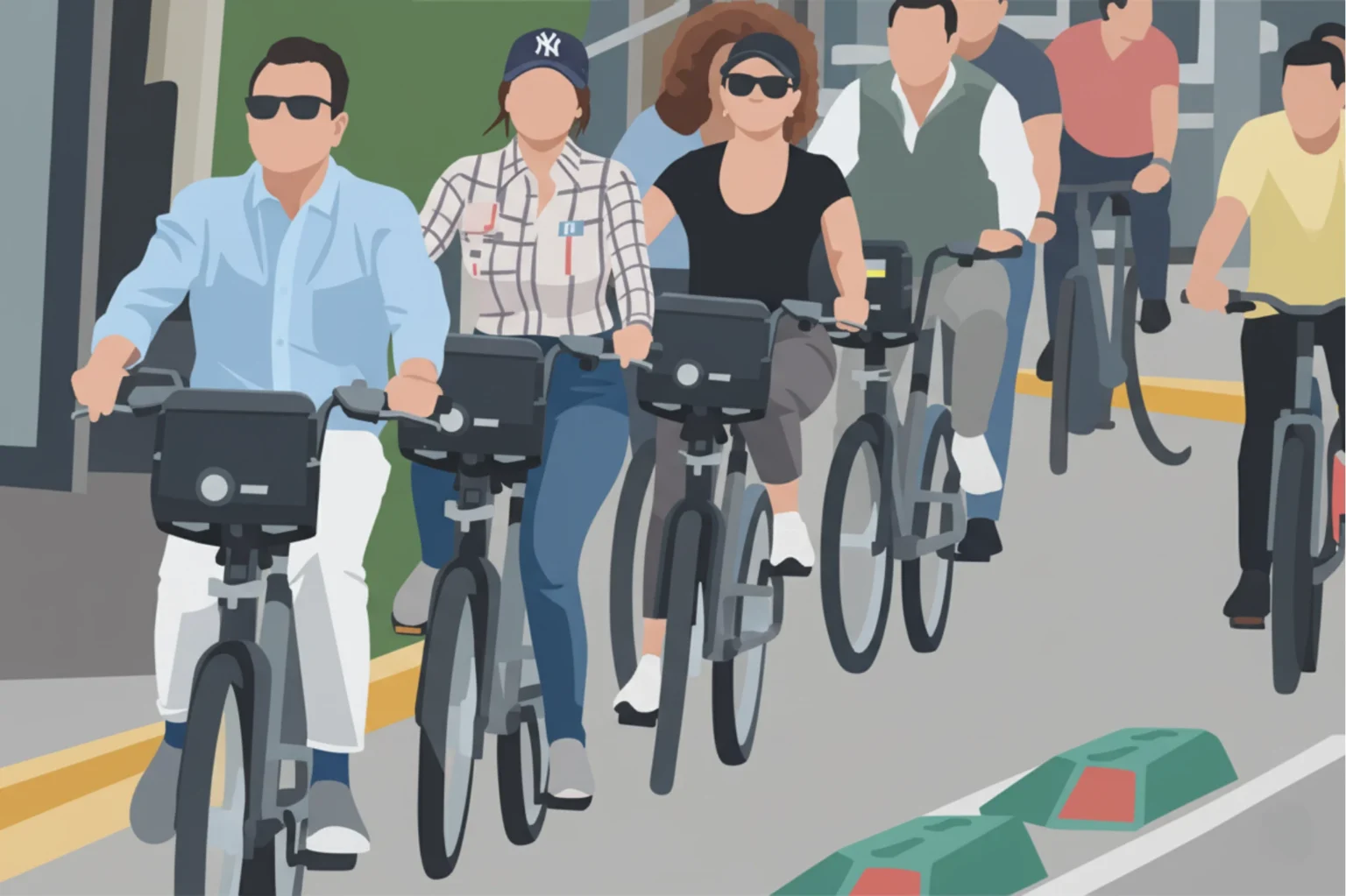
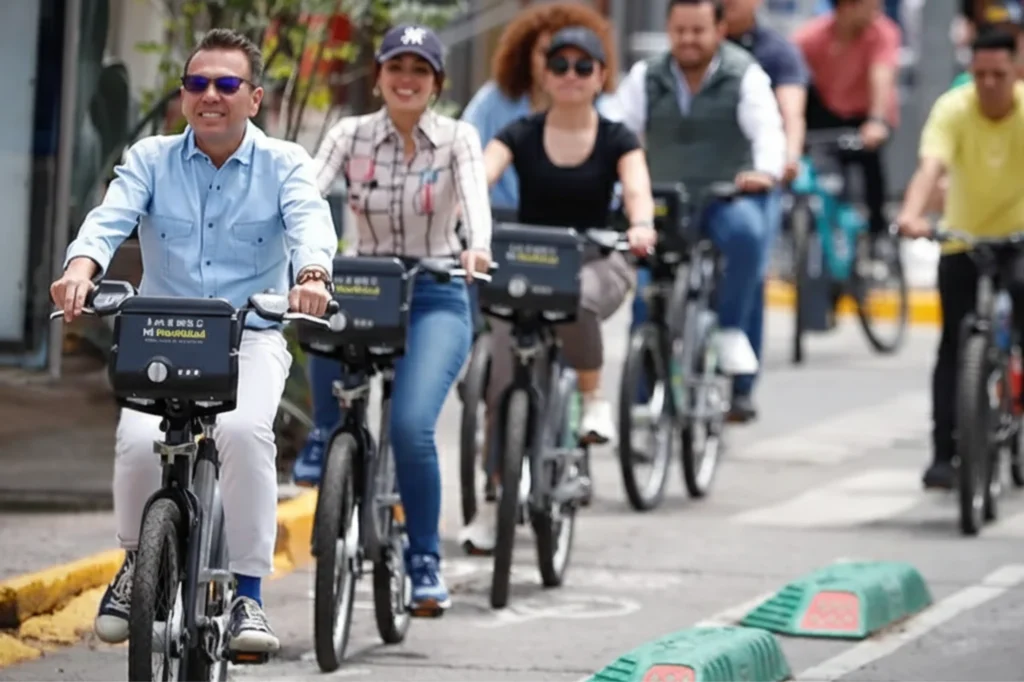
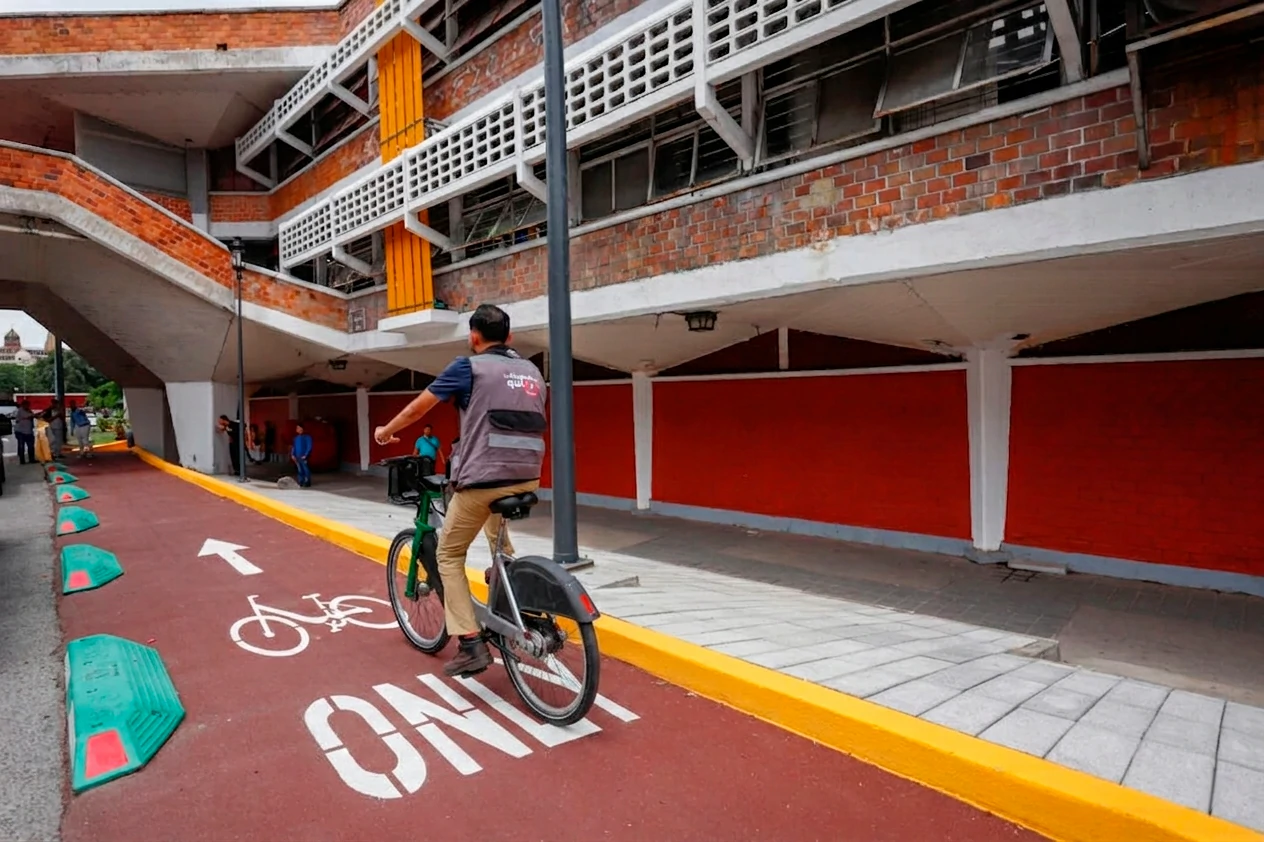
Over time, the Javier Mina Cycling Corridor became a landmark for Guadalajara. Indeed, the sight of cyclists weaving past greenery, medians, and historic facades blended naturally into daily life. Moreover, families, students, and professionals embraced the space, bringing new life to the corridor. Consequently, this collective adoption emerged as the project’s most significant achievement.
The cycling axis also served as an urban laboratory. Indeed, it demonstrated that when space is redistributed intelligently, everyone benefits: riders, pedestrians, and drivers alike. Moreover, the results were visible in cleaner air, increased physical activity, and a friendlier perception of the city. Consequently, Guadalajara began to be recognized as a metropolis truly committed to sustainable mobility, beyond rhetoric.
From Past to Present: A Lasting Legacy
Although the inauguration took place in 2023, the impact remains visible today. Indeed, the Javier Mina Cycling Corridor marked a turning point in Guadalajara’s mobility culture. Moreover, riding along this corridor reveals how well‑planned infrastructure can reshape entire neighborhoods, connect communities, and encourage a more respectful traffic environment.
Today, cities in Mexico and worldwide observe comparable projects to adopt proven strategies. In fact, the Bratislava Cycling Corridor shows how carefully designed corridors enhance mobility, stimulate local trade, and encourage community life. Consequently, such global references highlight Guadalajara’s accomplishment, turning a local initiative into a model for communities eager to reshape their urban spaces.
The Javier Mina Cycling Corridor belongs to a worldwide trend that positions the bicycle as a catalyst for social transformation. In fact, similar works resonate with insights from the Urban Bikeway Design Guide, highlighting the advantages cities gain when cycling becomes a daily choice. Consequently, Guadalajara’s project illustrates how thoughtful infrastructure can unite neighborhoods, reduce emissions, and inspire a more inclusive urban culture.
Guadalajara: A City Learning New Mobility
In Guadalajara, the impact of the 2023 initiative remains visible. Cycling paths grew from concept to vibrant routes that reshape how residents connect with their surroundings. Moreover, the Javier Mina Cycling Corridor demonstrates the city’s determination to advance—drawing lessons from history while building a present that is more connected, energetic, and mindful.