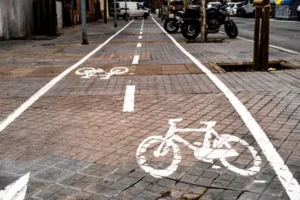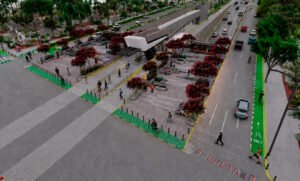

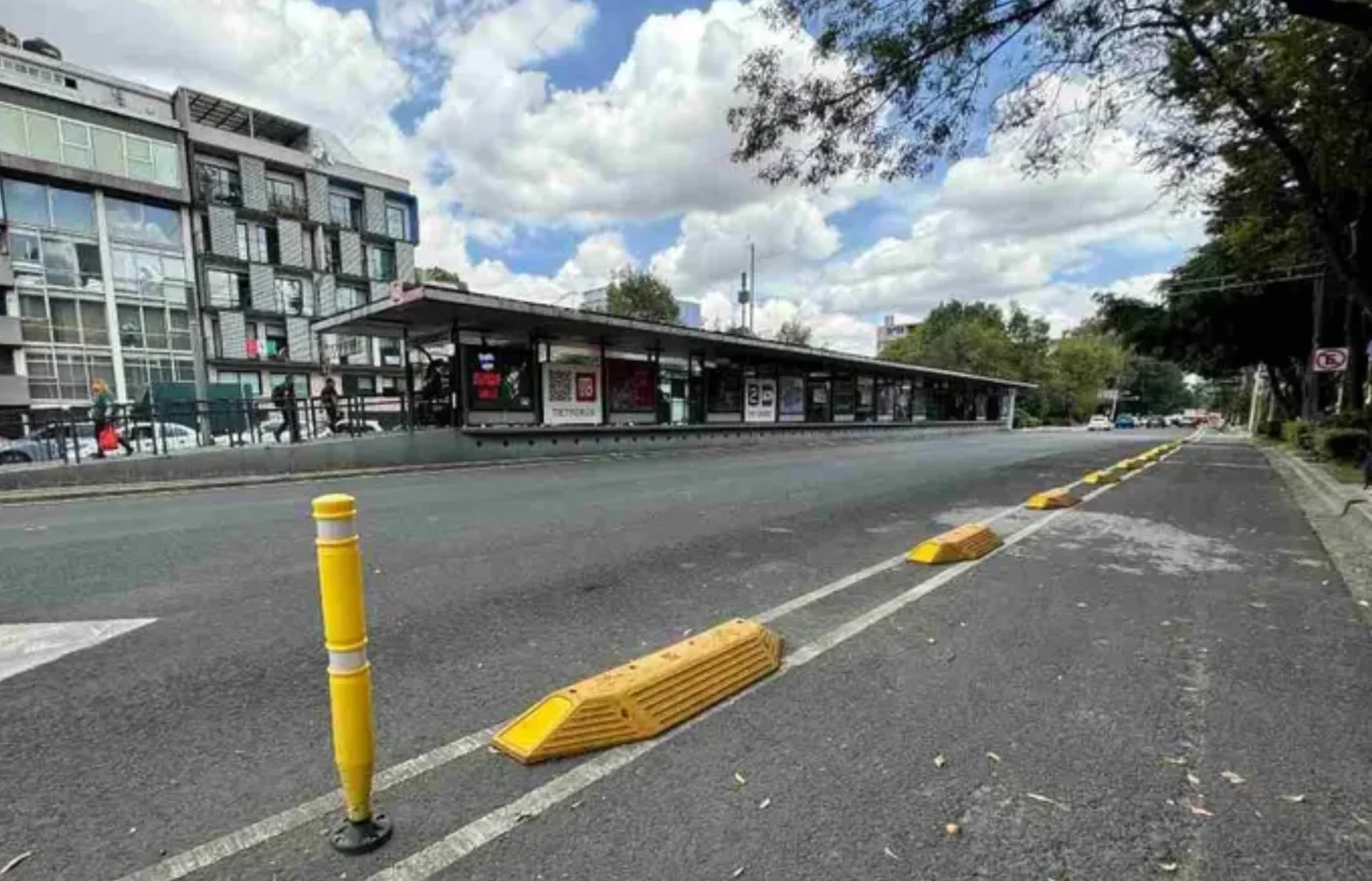
Urban mobility in Mexico City is entering a new chapter. Indeed, in the midst of traffic, pollution, and overcrowded public transport, more residents are turning to bicycles as a real alternative. As a result, Mexico City adds 49 miles of bike lanes, a milestone that will transform daily travel.
This initiative, presented by Mayor Clara Brugada, is part of a comprehensive cycling plan that connects neighborhoods and workplaces. Consequently, the project intIntegrates citywide transit system and preparing the city for the 2026 FIFA World Cup.
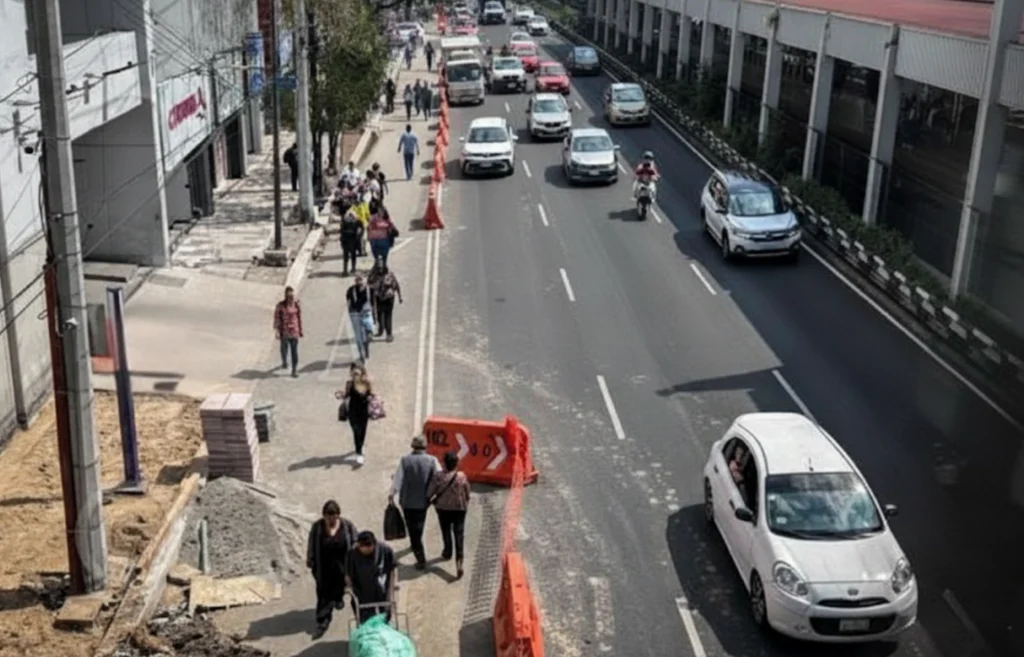
Each new bike lane segment represented far more than infrastructure; rather, it reflected a commitment to building a safer, healthier, and more modern city. In this article, you will discover how the 49 miles of bike lanes were distributed, which boroughs have benefited from the expansion, what projections remain for the rest of the year, and how this initiative connects with the legacy that the FIFA World Cup will leave behind.
Mexico City Adds 79 km of Bike Lanes: Project Distribution
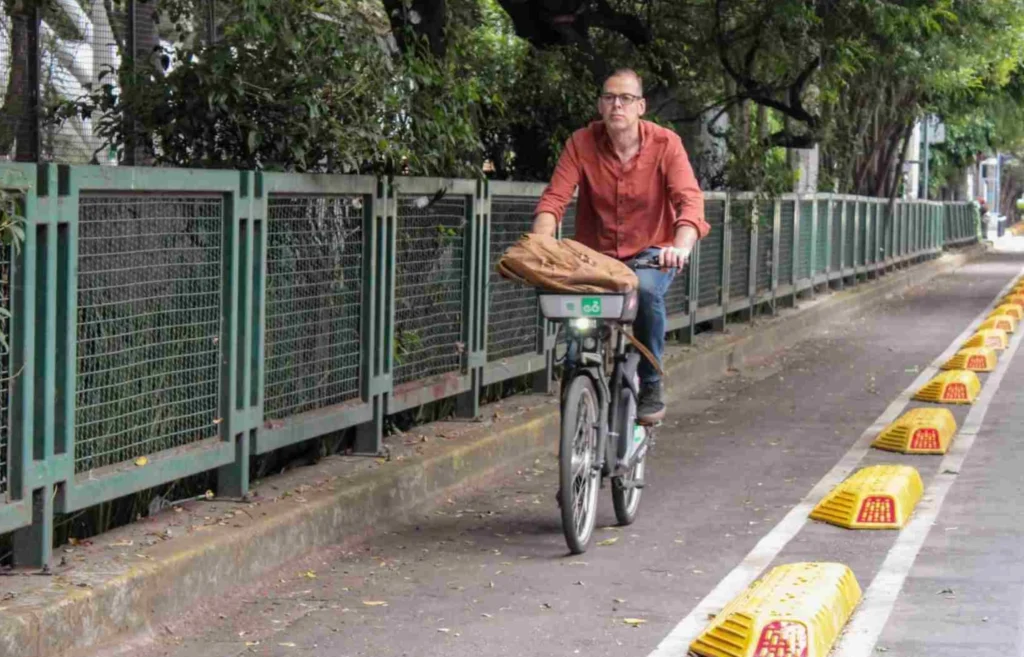
Of the total 49 miles, 21 miles will be part of the Gran Tenochtitlán Cycling Corridor, which will run along Calzada de Tlalpan from Renato Leduc to Tlaxcoaque. As a result, the route will provide a direct connection between the south of the city and downtown, benefiting thousands of cyclists each day.
The remaining 28 miles are distributed across five transversal cycling corridors that connect with the existing cycling network and link key areas along Calzada de Tlalpan. Consequently, these routes enhance sustainable mobility in southern boroughs such as Coyoacán, Benito Juárez, and Iztapalapa, making cycling safer and more convenient for everyday travel.
Projections Toward December 2025
The cycling plan does not stop here. By December 2025, two additional transversal bike lanes will be built: Acoxpa (4 miles) and División del Norte (9 miles). Moreover, three large Bike Racks will be installed, giving riders greater confidence to use bicycles daily.
Thus, by the time the World Cup arrives, visitors will be able to move quickly and safely on two wheels. More importantly, the infrastructure will remain in place long after the event, providing lasting benefits for residents across the city.
Expanding Mexico City’s Cycling Network
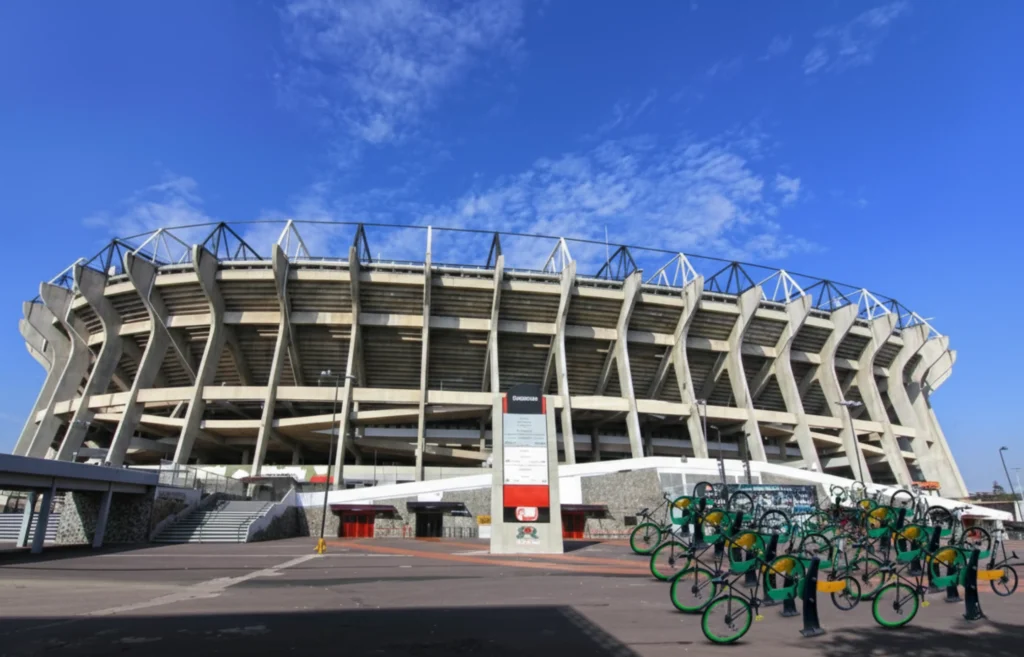
During the first half of 2025, 4.6 miles of new bike lanes were added, bringing the city’s total cycling network to 261 miles. Additionally, projects such as the Eje 4 Sur Benjamín Franklin and Serapio Rendón bike lanes, and the extension of the Bus–Bike lane along Eje 8 Sur have improved connectivity in high-demand areas.
As a result, boroughs such as Miguel Hidalgo, Cuauhtémoc, Benito Juárez, Coyoacán, and Iztapalapa have benefited from safer and more accessible cycling routes.
Toward the FIFA World Cup 2026
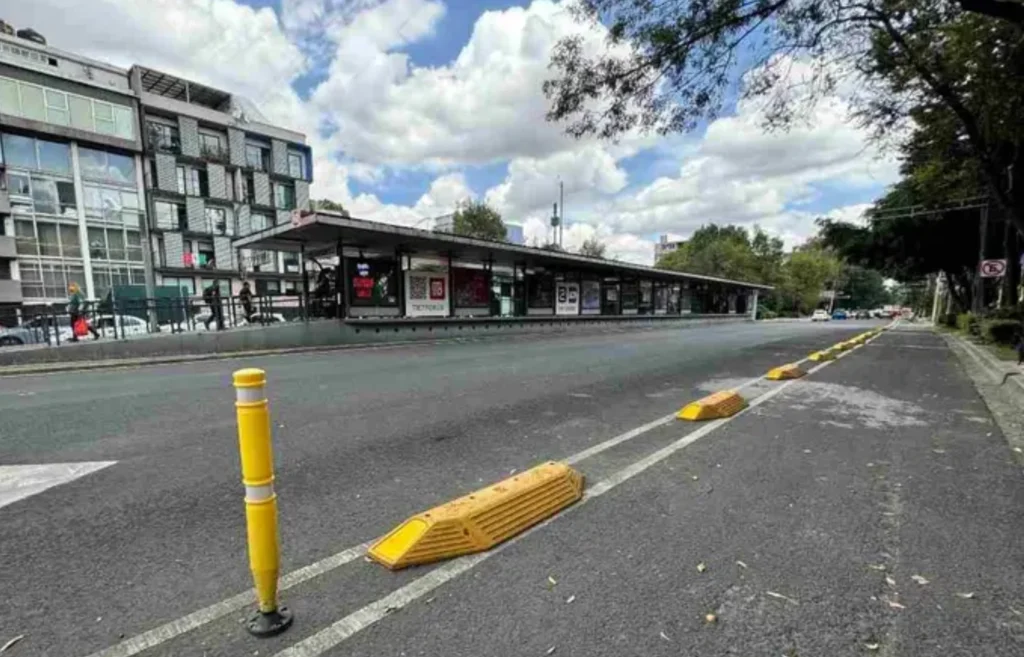
The World Cup is more than a sporting event; it is an opportunity to showcase a modern, inclusive, and sustainable Mexico City. Each mile built reflects a commitment to public health, social equity, and environmental protection. Therefore, cycling is being consolidated as a pillar of urban mobility, leaving a lasting legacy for millions of residents.
Clara Brugada has emphasized that this project is part of a long-term vision. Every kilometer of cycling infrastructure represents a commitment to public health, social equity, and environmental sustainability, reinforcing the role of cycling as a fundamental component of urban mobility.

A Future Already In Motion
Adding 49 miles of bike lanes marks the beginning of a profound transformation. In fact, every new stretch encourages thousands of people to choose bicycles over cars, creating a safer and cleaner city. Furthermore, international examples, such as Bratislava’s Cycling Corridor modernization, demonstrate how well-planned projects can reshape urban mobility. Locally, enforcement measures against lane invasion reinforce respect for cycling infrastructure and improve safety.
The growth of Mexico City’s cycling network is also driven by lessons learned from both international and local experiences. Internationally, Bratislava’s Cycling Corridor demonstrates how carefully planned projects can reshape urban mobility. At the local level, measures such as penalties for bike lane violations reinforce the commitment to protecting cyclists while fostering a culture of respect and safer streets.